Poverty is eroding Australia’s democracy, with former High Court Justice Michael Kirby warning that the growing divide between the powerful and the vulnerable is creating a vicious cycle of disadvantage and political exclusion.
In an address this week, Mr Kirby argued that poverty wasn’t simply an economic issue but a fundamental human rights matter that was holding people back from participating in democracy and having their voices heard.
“When institutions become more responsive to the powerful than to the vulnerable, public policies inevitably reflect that imbalance,” he said.
“The result is a vicious cycle. Poverty weakens democracy. Weakened democracy allows poverty to persist and even to get worse.”
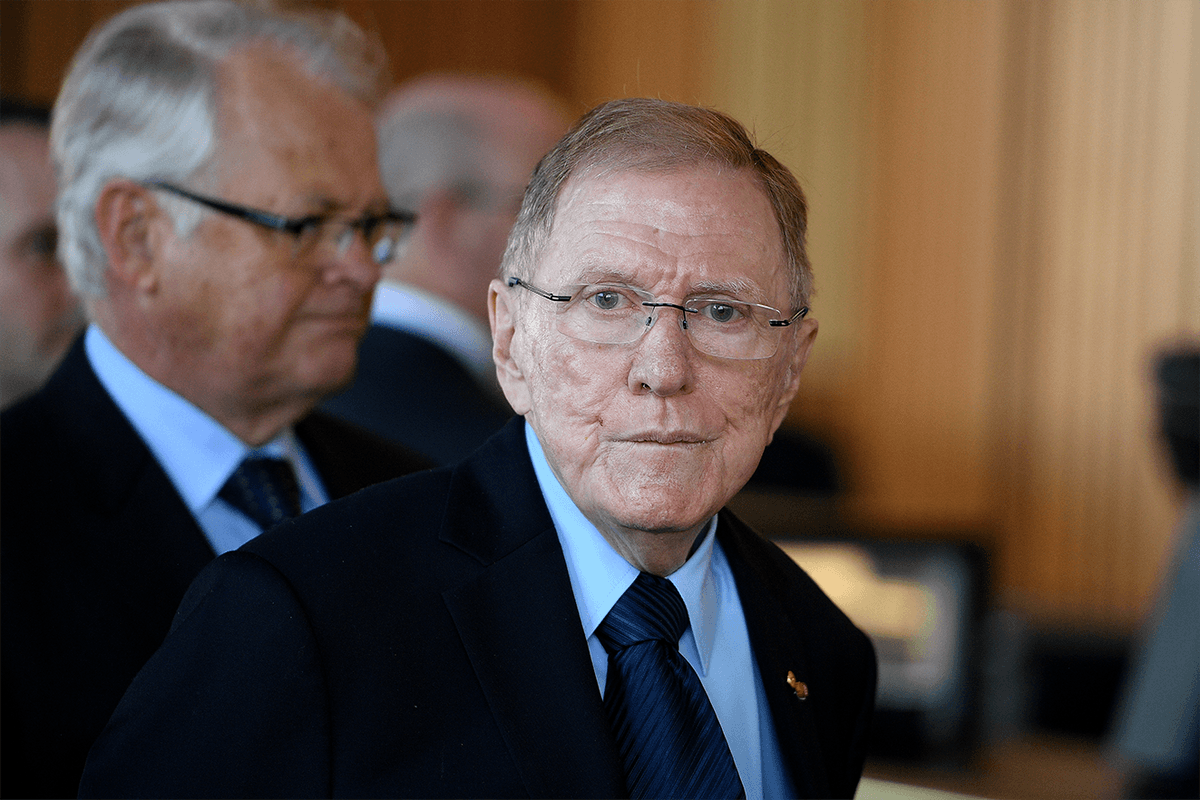
Delivering the Brotherhood of St. Laurence’s annual Sambell Oration in Melbourne, former High Court Justice Michael Kirby warned that social and economic disadvantage was increasingly translating into political exclusion.
“Social and economic exclusion often becomes civic exclusion – and civic exhaustion,” he said.
Put simply, people are too tired and busy trying to keep their heads above water that they don’t have the time or energy to speak up about issues and hold those in power to account.
Mr Kirby used the address to call for a shift away from viewing poverty purely in monetary terms.
He also urged Australia to adopt official income and multidimensional poverty measures, arguing that financial hardship alone didn’t capture the full extent of a person’s disadvantage.
“Poverty is no longer merely an absence of income. It manifests as an absence of opportunity. A denial of capability. Increasingly, a denial of fundamental human rights,” he said.
“Human rights provide a universal language for human dignity. They remind us that education, housing, health and participation are not merely policy issues. They are matters of basic justice.”
Get our newsletter
Quality research, analysis, explainers and factchecks from experts you can trust.
Australia’s income support system has long been criticised by welfare advocates, who argue that payments are so low they’re leaving large numbers of Australians living below the poverty line.
A new report from the ACOSS and UNSW Sydney Poverty and Inequality Partnership found that half of all people in households relying mainly on income support were living in poverty in 2022–23 – around 1.9 million people, including children.
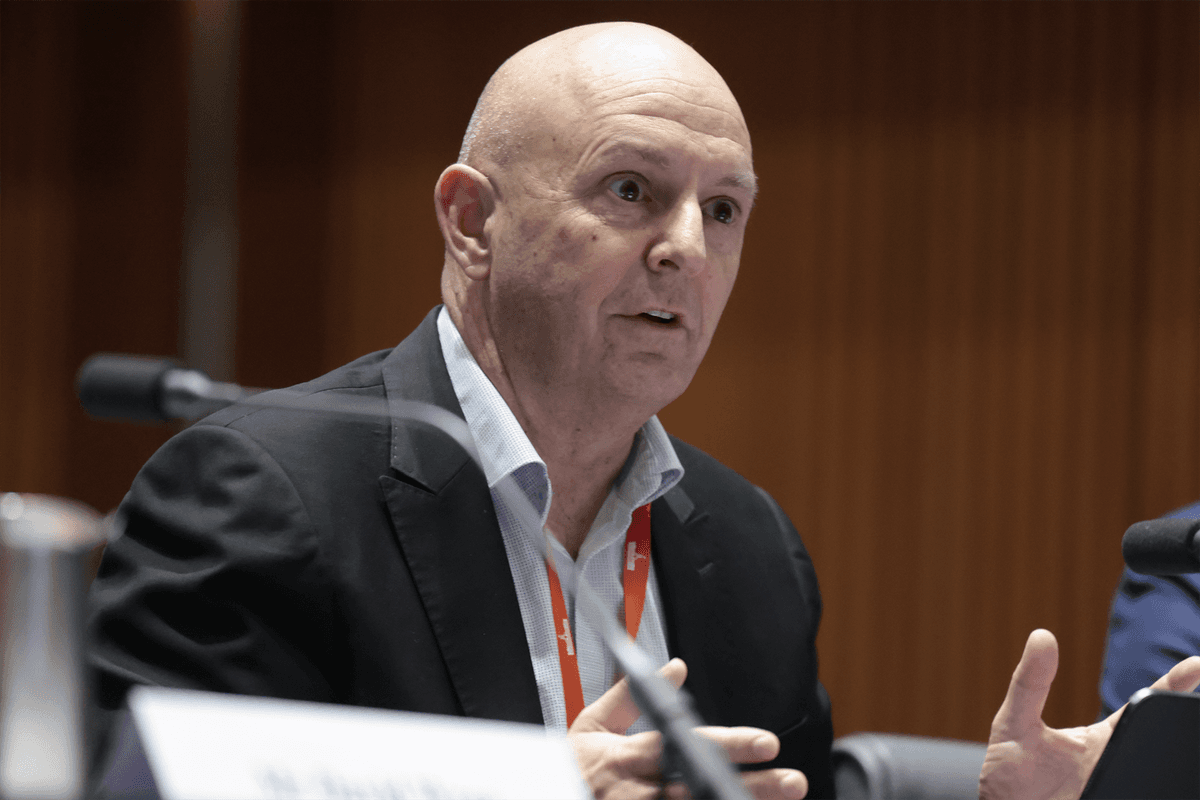
“Almost two million people relying on government support are being pushed past the brink of destitution in one of the wealthiest countries in the world,” ACOSS CEO Dr Cassandra Goldie said.
“This is a policy choice, and the government can fix it.”
Former High Court Justice Michael Kirby , an internationally respected human rights advocate, said many Australians felt their voices were not being heard, and too often, those experiencing poverty had no input into public debate and were “certainly muted and ignored”.
He renewed his long-standing call for a national Human Rights Act, saying there had been encouraging developments with Victoria, Queensland and the ACT now enacting their own.
While it wouldn’t directly improve the lives of homeless people, he said it would help hold political and institutional leaders accountable and empower vulnerable Australians.
“It is when the law protects the poor, the powerless, the vulnerable and the unpopular that it knows its finest hour,” he said, recalling an earlier observation.
Mr Kirby warned that poverty was not only a consequence of disadvantage; it also eroded people’s ability to participate in democracy.
“Poverty limits participation. It weakens agency. It leaves people being, and feeling, unseen,” he said.
“A society committed to reducing poverty is ultimately a society committed to ensuring that everyone belongs.”