‘AI hallucinations’ contained in a document used by Tasmania’s parole board have helped overturn a media ban on Sue Neill-Fraser, the woman found guilty of killing her partner on board a yacht.
Attorney-General Guy Barnett has sought an explanation from the state’s parole board about its “professional standards” after it was found that fake AI information was used to justify the gag order.
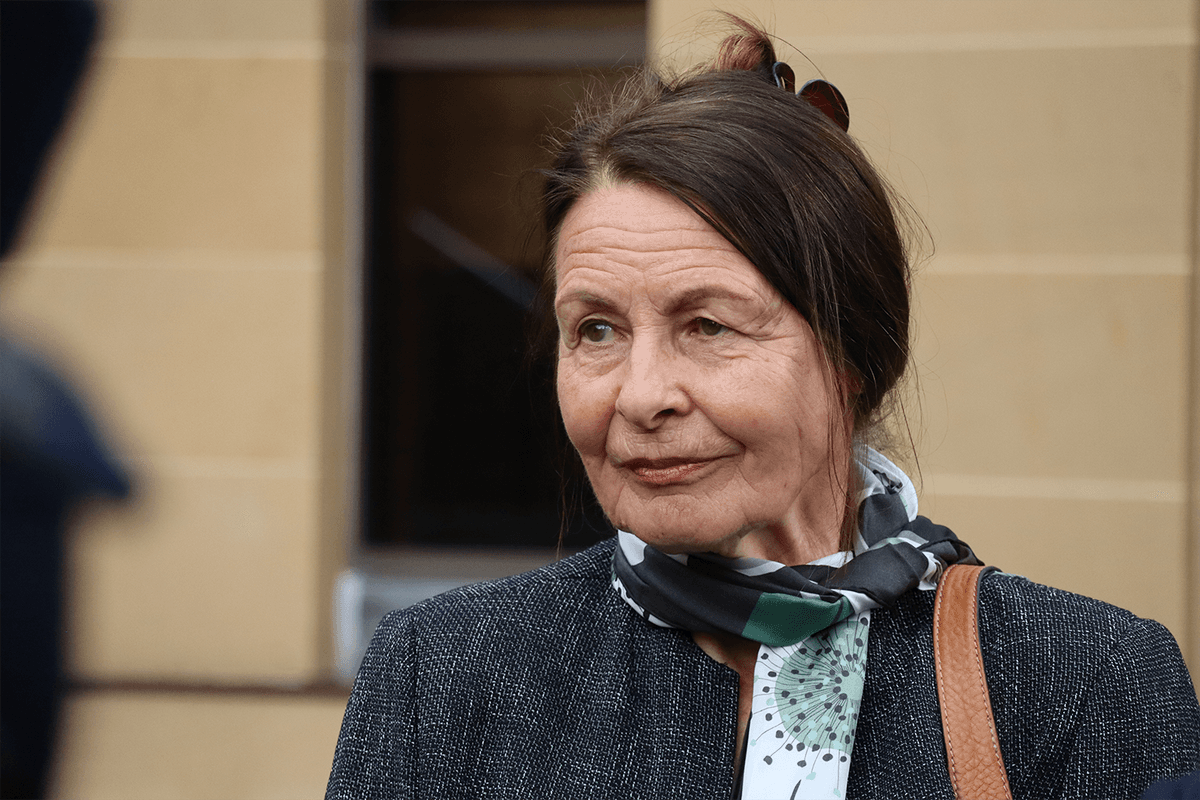
Ms Neill-Fraser was convicted of murdering her partner of 18 years, Bob Chappell, aboard a yacht on Australia Day in 2009.
She served 13 years in jail and was released on parole in 2022.
She has always maintained her innocence.
In 2024, the Parole Board of Tasmania added a condition that she not speak “directly or indirectly with any media outlet to claim [her] alleged innocence and/or wrongful conviction”.
It was broadened in 2025 to cover communication through third parties and other public platforms.
Neill-Fraser’s challenge revealed the document justifying the condition cited case law that was “fictitious” and likely the product of “AI hallucinations”.
“It is deeply troubling that an AI-generated document citing legal authorities that did not exist was used by a public authority to restrict a person’s fundamental freedoms in this way,” said Sarah Schwartz, legal director at the Human Rights Law Centre.
Neill-Fraser’s lawyer Patrick Coleridge told the Supreme Court that the document “argued forcefully” in support of the condition, the ABC reported.
Get our newsletter
Quality research, analysis, explainers and factchecks from experts you can trust.
Justice Stephen Estcourt declared the order invalid because it denied her procedural fairness, was legally unreasonable, and created uncertainty.
Neill-Fraser said she was “pleased and relieved” the condition had been removed.
“I have always maintained my innocence. I am continuing in the quest to clear my name and to advocate for the broader issue of wrongful convictions in Australia. I cannot walk away from this,” she said.
Ms Schwartz said the case should “prompt serious reflection about how parole boards exercise their powers and what safeguards are needed to prevent similar failures in the future”.
Bill Browne, director of the Australia Institute’s Democracy & Accountability Program, said: “As governments push public servants and departments to become ever-more reliant on AI, the Tasmanian Parole Board should serve as a caution.
“A machine can never replace human accountability and due diligence. Someone is responsible for Neill-Fraser being denied her rights under false pretences, and it’s not a computer.”
Attorney-General Barnett said the parole board was independent and said the government had “no role in its decision-making”, according to the ABC.
“However, I will be writing to the chair of the Parole Board seeking an explanation about its professional standards after inaccurate information was produced in this case, which is not acceptable,” Mr Barnett said
In a speech to the Senate, Tasmanian Senator Jacqui Lambie described the revelation as “shocking”.
“I hope the Human Rights Law Centre and others will be watching the upcoming parliamentary inquiry into Tasmanian Police, because let me tell you, there is a lot more to be concerned about,” she said.