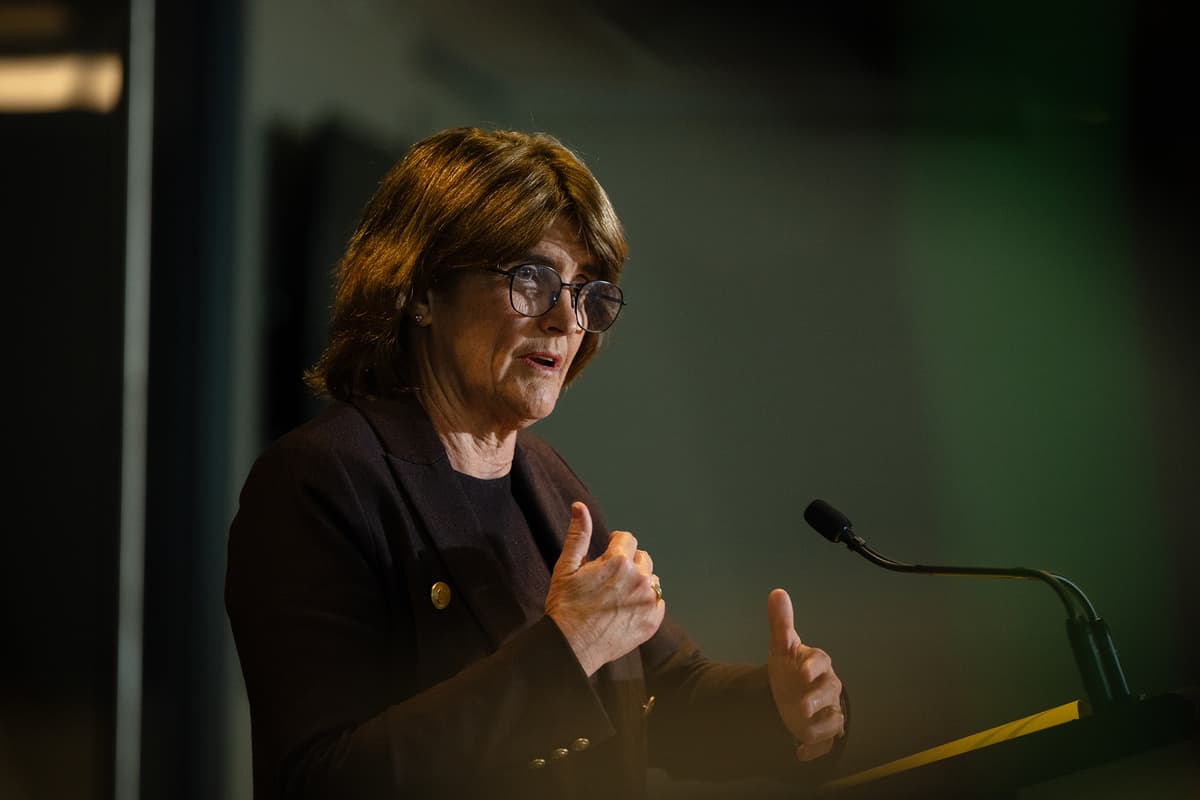
The Australia Institute’s Chief Economist Greg Jericho has slammed the Reserve Bank of Australia’s (RBA) decision to raise interest rates again, arguing there is no data to justify increasing them to the highest level seen in 15 years.
Mr Jericho says the most recent figures on inflation, wages, unemployment and economic growth simply do not support today’s decision to raise the cash rate by another 0.25 percentage points.
It’s the fourth increase this year, with the cash rate now at 4.6 per cent, up from 4.35 per cent, which was set in May.
“The RBA argues this is about inflation, but that has absolutely nothing to do with Australians earning too much, spending too much or an overheating economy,” Mr Jericho said.
“Since the last RBA meeting, unleaded petrol prices have risen around 34 cents per litre – that has already hit households.
“In August, households spent less on food, clothing, household goods and health care, as they cut back to make up for the surge in petrol prices.”
Welfare advocates have warned that creating “unemployment by design” could have devastating consequences.
“An increase towards or above 5% would cause a human disaster, locking people out of jobs for years and forcing them to rely on grossly inadequate income support payments,” said Australian Council of Social Service (ACOSS) CEO Dr Cassandra Goldie.
The Antipoverty Centre called for urgent government intervention to protect people in poverty from further harm and deaths.
“We’re in a crisis where people in poverty under 65-years-old are extraordinarily over-represented in suicide deaths and all deaths,” said Antipoverty Centre spokesperson Jay Coonan.
“Rising interest rates, high prices and ongoing punishment of people with compulsory activities only make this worse.”
Get our newsletter
Quality research, analysis, explainers and factchecks from experts you can trust.
He said the increase coincides with the Albanese government’s plan to reinstate penalties in October for 1 million people who are forced to engage in compulsory activities to keep their welfare payment.
“This should be treated as a national emergency, not an acceptable human cost to save a few billion dollars in the federal budget,” he said.
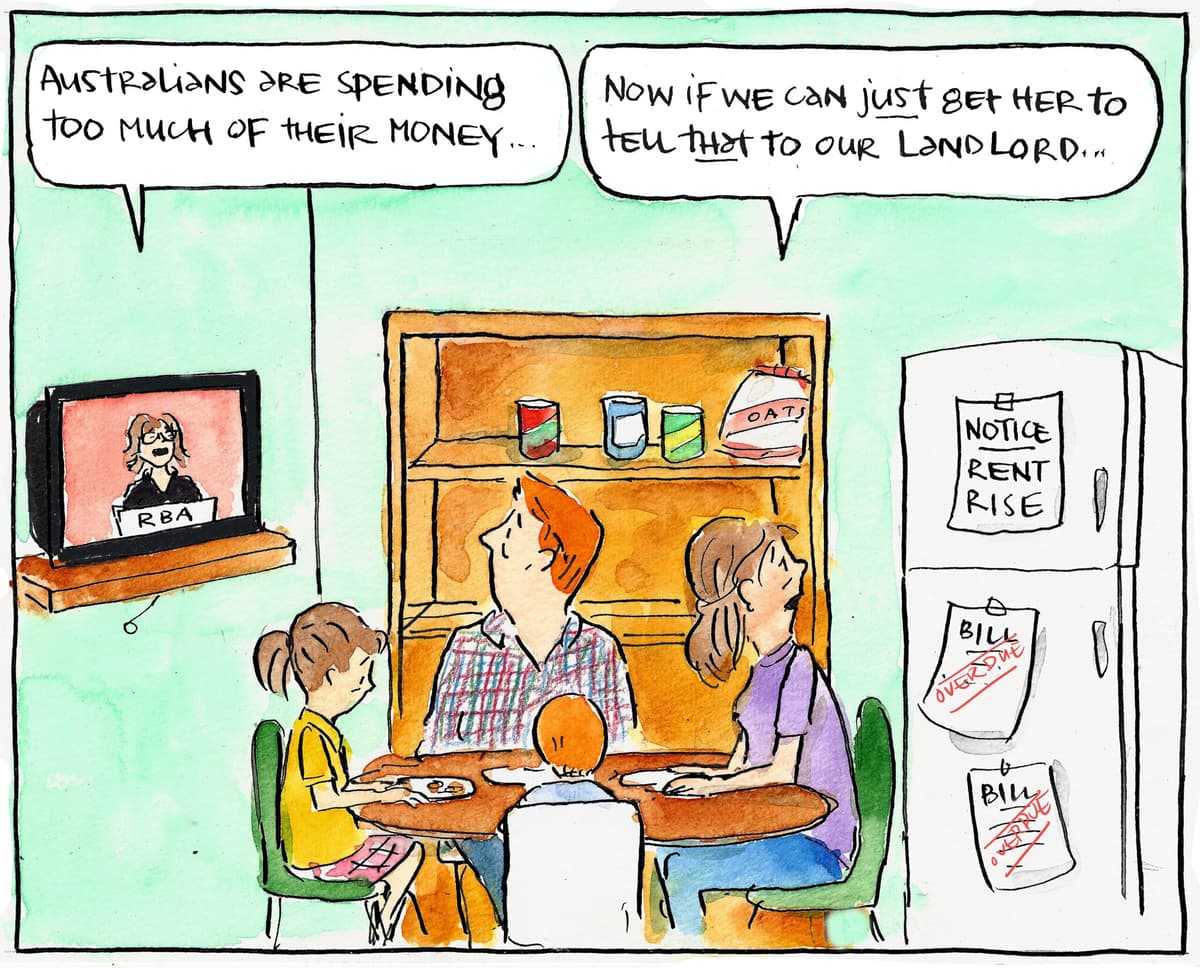
Anglicare Australia Executive Director Kasy Chambers said much of the focus would be on mortgage holders, but renters would also feel the squeeze.
“Renters are already paying record amounts just to keep a roof over their heads, and they need protection too,” said Ms Chambers.
“Governments should use this moment to strengthen protections for renters, including limits on rent increases.
“Renters shouldn’t be treated as an afterthought every time interest rates go up. They deserve protection from housing costs they simply cannot control.”
Mr Jericho said while inflation may be “stubborn” due to the war in Iran and the international boom of data centres, it was still falling.
He highlighted that unemployment was rising but said: “clearly the RBA wants it to rise even more”.
Wage growth has also slowed, and GDP growth is sluggish.
“This is about oil and data centres – and, no matter what it does, the RBA cannot stop Donald Trump bombing Iran or reopen the Strait of Hormuz.
“The Reserve Bank simply cannot fix this. Today’s rate rise will do nothing to bring inflation down. What it will do is inflict more unnecessary pain on Australian mortgage holders.”