Australia needs to serve more than just coffee at COP31, say environmental and humanitarian groups that have accused the Albanese government of failing to back its climate leadership ambitions with new funding.
By Tegan George
Fri 13 Nov 2026 01.00 AEDT
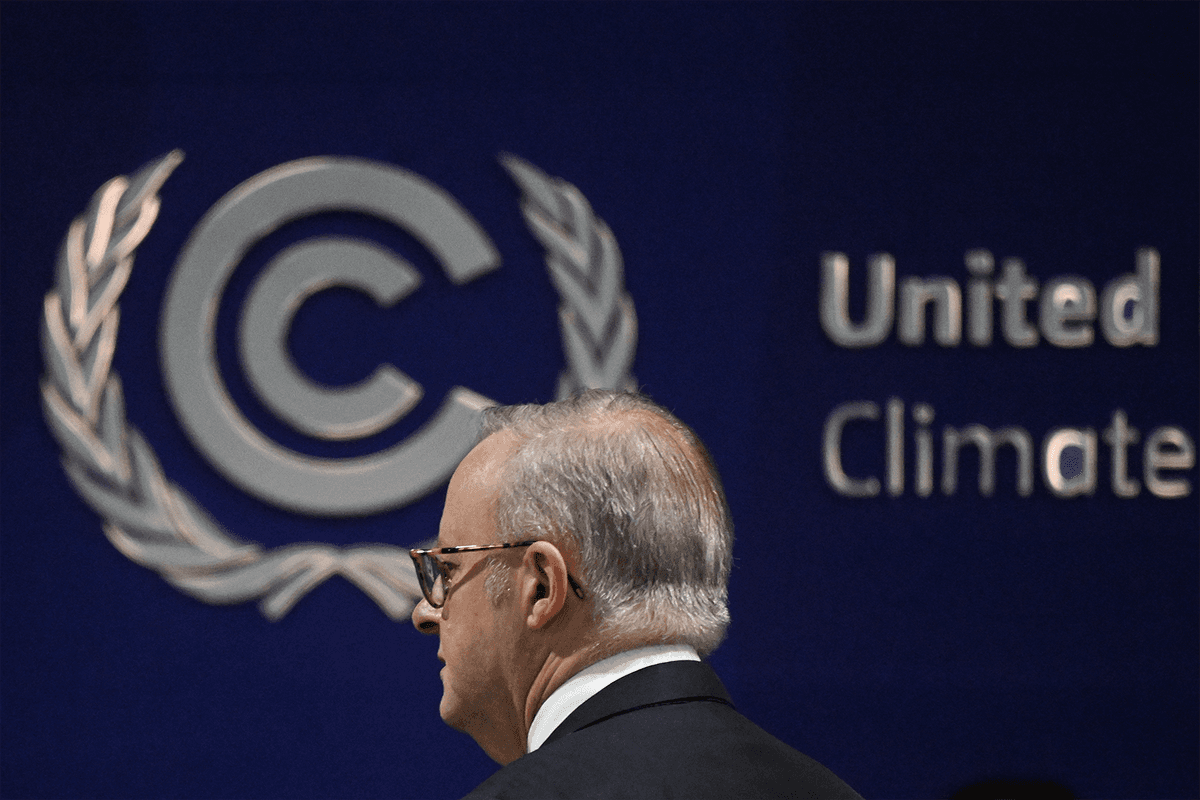
Photo: AAP Image/Lukas Coch


Australia needs to serve more than just coffee at COP31, say environmental and humanitarian groups that have accused the Albanese government of failing to back its climate leadership ambitions with new funding.
As President of Negotiations at the global summit, Australia had been expected to announce additional financial support for vulnerable countries, including its Pacific neighbours.
Denise Cauchi, CEO of Climate Action Network Australia, said Australia had put its hand up to lead international negotiations but was now “missing in action”.
She said the government should be working to break the deadlock on global climate financing and leading by example with a new funding commitment to developing countries.
“At a time of dramatically escalating climate change impacts, like the horrific flash floods we saw in Nepal in August, it is shocking that Australia hasn’t announced new funding to help stop climate disasters pushing impacted communities into hunger, homelessness and poverty,” said Josie Lee, Oxfam Australia’s policy and advocacy lead.
In his opening remarks at the COP31 Leaders’ Summit in Türkiye, Prime Minister Anthony Albanese said Australia had a “solemn responsibility” to act on global warming and was proud to be a “global leader” on climate action.
He said his government sought the role because “we wanted to speak for the people of the world who need urgent action. Including those from our Pacific family.”
Climate Minister and President of Negotiations Chris Bowen also acknowledged the need for greater financial support, telling the summit that just 0.2 per cent of climate finance went towards helping small island nations adapt.
“COP31 must make finance faster, simpler and fairer,” he said.
However, critics were quick to point out that the PM failed to mention fossil fuels or address the 39 new and expanded coal, oil and gas projects his government has approved since 2022.
“It’s not clear why the Australian Government sought to host COP31 if it wasn’t willing to show leadership on this crucial issue,” said Julie-Anne Richards, campaign strategic lead at the Make Big Polluters Pay Alliance.
“Despite a disappointing statement at the Leaders’ Summit, it is not too late for Minister Bowen to work with countries to agree clear next steps to ensure that coal, oil, and gas corporations pay for their climate damage as a way to ensure enough funds for climate finance at home and abroad.”
Research by the Australia Institute found Australian governments provided $16.3 billion in fossil fuel subsidies in 2025-26.
Quality research, analysis, explainers and factchecks from experts you can trust.
Oxfam Australia argues the country spends more than ten times as much on fossil fuel subsidies as it does helping its regional neighbours respond to global warming.
Its research showed the costs of climate disasters have escalated dramatically in the last decade across small island and least developed countries, reaching $16 billion.
An average of 41 million people were affected annually over the same period – more than the entire Australian population.
Sophie Hardefeldt, deputy head of policy and campaigns at ActionAid Australia, said Australia had failed to deliver on its commitment to improve access to funding for the Pacific.
“Climate finance is not a nice to have, it is life and death,” she said.
“For countries across the Pacific and the Global South, failure to meet the massive shortfall in climate finance means communities are left without early warning systems, are unable to adapt to climate impacts and are having to take on billions in loans to rebuild and recover from climate disasters.”
She said the resulting debt repayments were having “devastating consequences” for women and girls globally.
United Nations research found high debt repayment burdens could put the equivalent of 55 million women’s jobs at risk.
Plan International Australia (PIA) said new public climate finance pledges from wealthy countries had fallen by more than 70 per cent – at a time when funding was needed most.
“Climate finance isn’t charity. It’s a lifeline,” said Si Qi Wen, PIA’s senior advisor in policy and advocacy.
“The world is overshooting 1.5°C, and we’re asking girls to foot the bill. Across Nepal, the Pacific and beyond, girls are already paying for climate inaction with their education, health and futures,” she said.
ActionAid Australia estimates Australia’s “fair share” of international climate finance would amount to $14 billion annually by 2035.
“To have any credibility as a global leader, Australia must deliver on its promise by stopping subsidising the fossil fuel industry and delivering real funding to women and communities who are least responsible for the climate crisis,” said Ms Hardefeldt.

