Australia Institute polling shows that four in five young Australians (80%) would increase the number of music events they attend if a $200 voucher was available.
With approximately 330,000 18-year-olds in Australia, this would cost the Australian government approximately $66 million.
Given that Australia’s public spending on ‘cultural services’ is well below the OECD average, this would be a cost-effective way to support the sector.
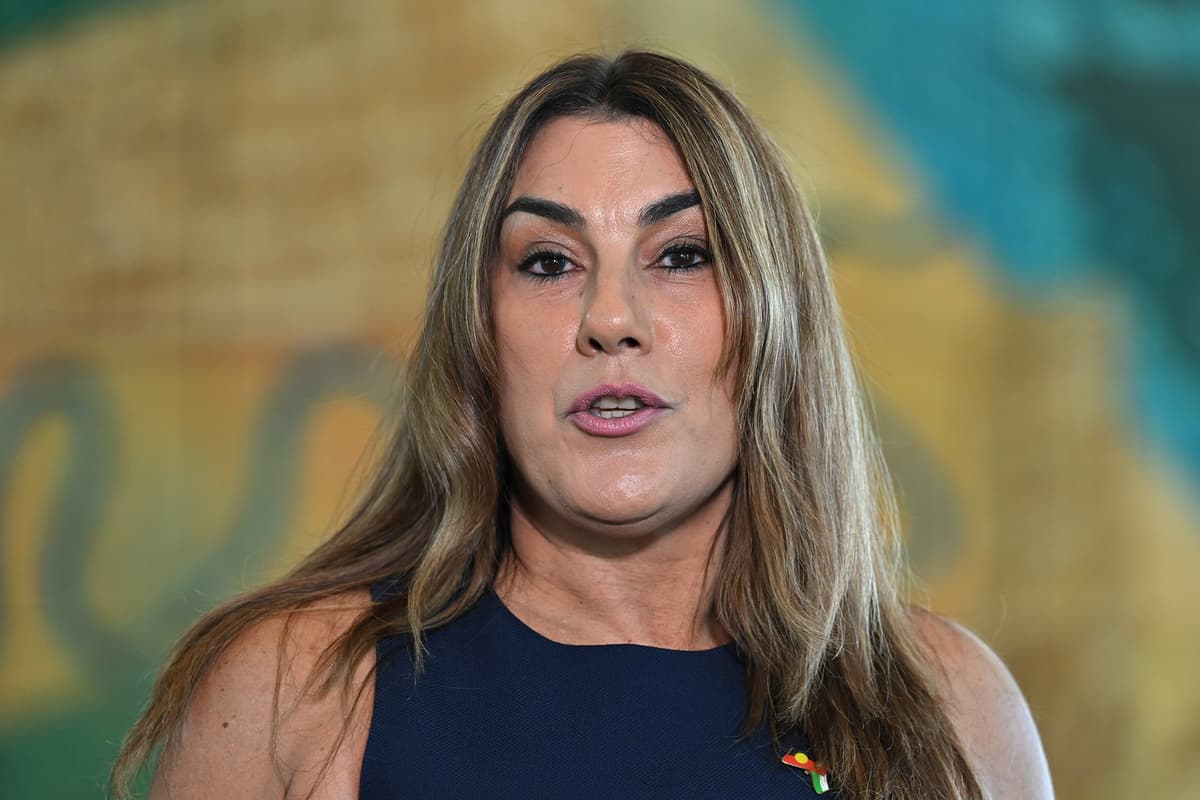
“In 2020, the art sector contributed almost $15 billion to the Australian economy and employed around 200,000 people. For every million dollars in turnover, nine jobs were supported. That’s nine times more than the construction industry,” Ms Predavec said.
The Australia Institute submission also looked at ways for state governments to raise more revenue, so they could afford to support the arts.
When the GST was introduced just over 25 years ago, it was touted as the key source of revenue for states.
However, GST revenue has failed to grow over time as expected. If it had, it would have raised hundreds of billions of extra dollars, meaning state governments would not have had to slash arts funding so deeply.
The submission also suggests raising coal royalties and ending fossil fuel subsidies to boost state revenue.
It recommends the introduction of a book bounty, which is a government contribution to help with the cost of producing and printing books. A federal book bounty was in place for 28 years before being scrapped by the Howard government.
And finally, the submission suggests making art prizes and grants tax-free, which would be comparatively cheap, but could make a huge difference to the ability of artists to produce more.
“While it may be possible to move other sectors of the Australian economy offshore, Australian culture can only be produced in Australia,” said Ms Predavec.
“If we don’t support the arts now, the decline we’ve seen since COVID will continue, perhaps irreversibly in some areas.”