“I see myself as a climate warrior,” says Gitty Yee, a young climate campaigner from Tuvalu.
“I fight for my country, and I fight for what we believe in. I fight for our right to live, our right to prosper, for our future generations, for our parents, our elders, our ancestors who are buried here – because I don’t want my bones to be buried somewhere else. I want to be buried here. I want to live here because this is home. This is where I feel safe. This is everything to me.”
Tuvalu is ground zero for the global climate crisis. No nation is more vulnerable than this small Pacific country.
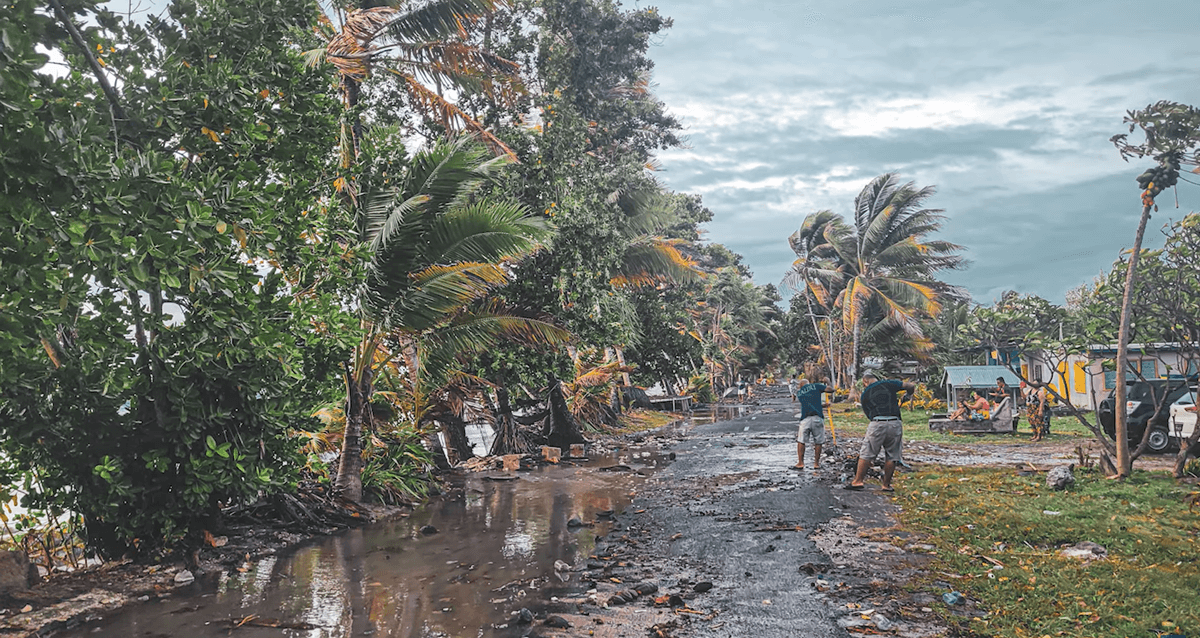
It consists of nine low-lying islands and atolls midway between Australia and Hawaii. On current projections, rising seas could inundate much of Tuvalu by mid-century. Already, higher sea levels are having a profound impact, and not merely through coastal inundation and erosion.
Salt water is forcing its way up through the earth. Salinity is destroying traditional crops. Saltwater intrusion is sullying wells that Tuvaluans once relied on for fresh water. Without them, people depend on rainfall for drinking water. Two weeks of dry weather is a drought. Food security Tuvalu once enjoyed is gone. Its people are hostage to imports for survival.
These issues are the focus of The Australia Institute’s new documentary, Save Tuvalu, Save the World. It gives voice to the concerns of young climate campaigners such as Gitty Yee.
Tuvalu, of course, is not alone. The citizens of other low-lying nations such as Kiribati, the Marshall Islands, and Vanuatu face the same existential threat. Closer to home, first nations people on the Torres Strait Islands live with the knowledge their homeland could disappear.
The entire Pacific – Australia included – faces a future buffeted by rising seas, intense cyclones, and extreme temperatures caused by climate pollution.
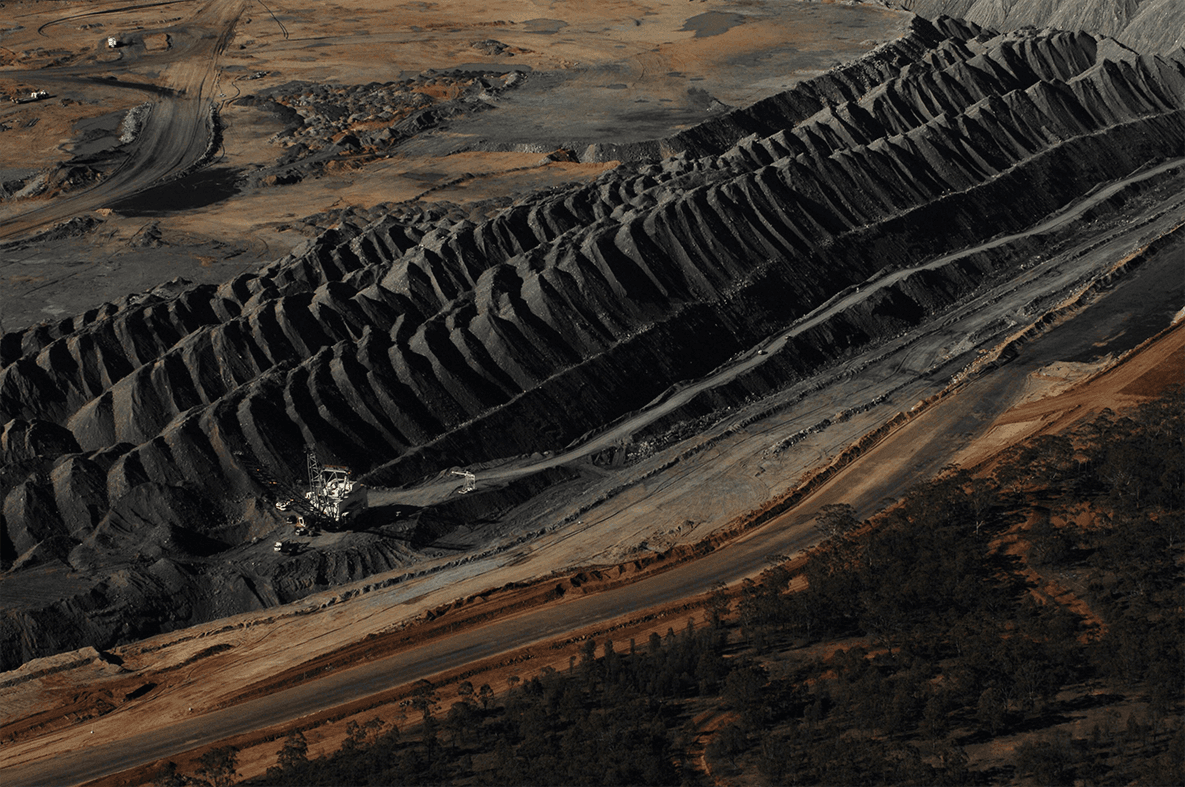
As one of the world’s leading fossil fuel exporters, Australia is culpable. The evidence is overwhelming: to avoid climate catastrophe, the world must stop burning fossil fuels. To limit global temperature rises to 1.5° Celsius above pre-industrial levels, we should have stopped new oil, coal and gas production years ago.
Yet Australia continues to greenlight projects that will emit vast quantities of greenhouse gases.
Woodside Energy’s North West Shelf Project is a massive carbon bomb. It will add about 90 million tonnes of emissions to the atmosphere annually, equivalent to building 12 new coal-fired power stations. Entire new gas fields will have to be opened to feed it. Despite the urgent need to phase out fossil fuels, it can keep producing liquified natural gas for export until at least 2070.
When did Australia’s government chose to give it the go ahead? At the end of the same week that leaders from the region met in the Solomon Islands for the Pacific Islands Forum. The arrogance and irony is inescapable. What a slap in the face to countries Australian leaders like to call our “Pacific family.”