The Federal Government’s new first-home buyer policy has been criticised as another housing hand-out that fuels competition rather than construction.
By Tegan George
Wed 8 Oct 2025 16.14 AEDT
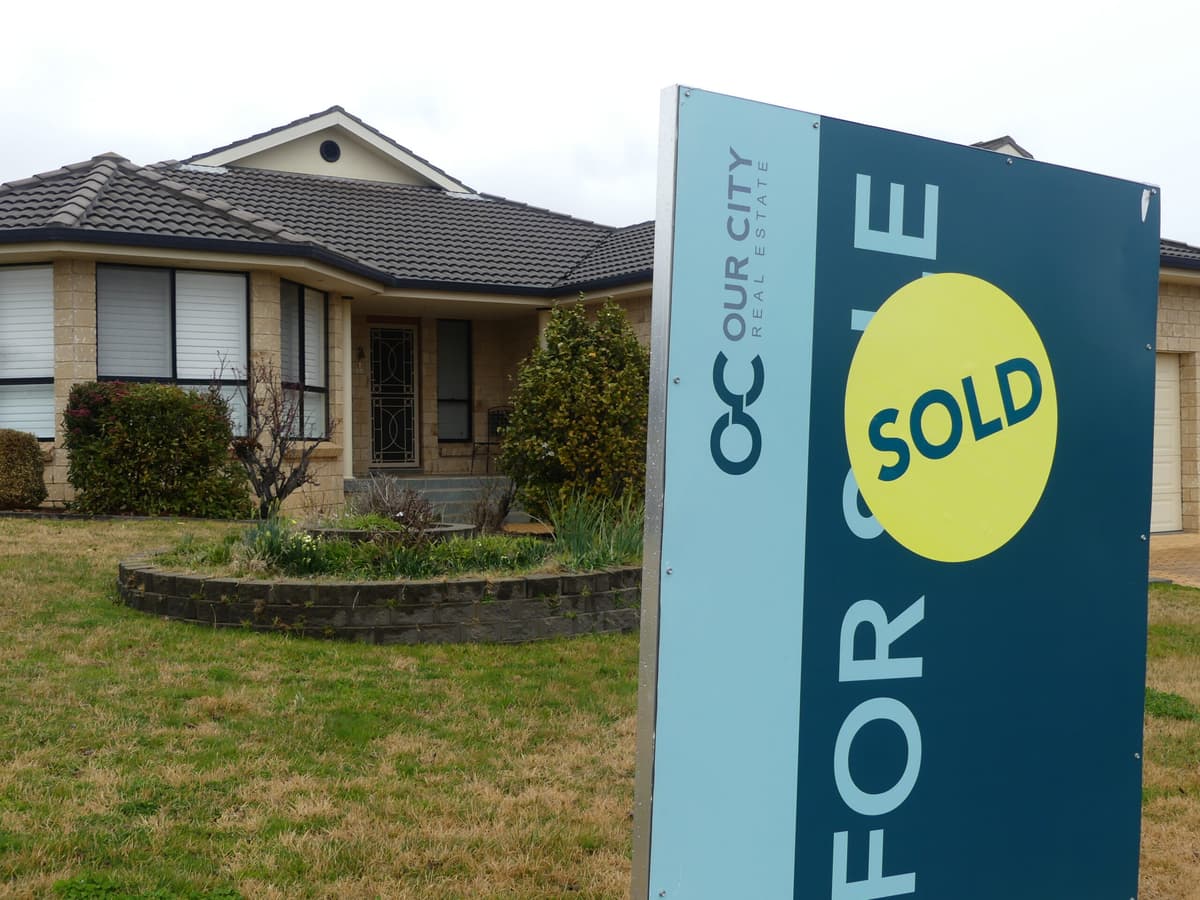
Photo: AAP Image/Stephanie Gardiner


The Federal Government’s new first-home buyer policy has been criticised as another housing hand-out that fuels competition rather than construction.
The revamped scheme allows for first home buyers, of all income levels, to purchase a property with only a 5% deposit and avoid costly lenders’ mortgage insurance thanks to a government guarantee.
“All this does is create more demand in the economy,” said the Australia Institute’s Chief Economist, Greg Jericho. “It’s actually going to give another surge to house prices.”
Speaking on his Dollars & Sense podcast, Mr Jericho said real estate agents are reporting “massive amounts of interest from people wanting to take advantage” of the policy change.
“If there’s more people trying to buy a home, all at the same time, because they’ve all been given the same deal … clearly that’s going to raise house prices.
“This is just the problem with housing policy for the last 25 years.
“Overwhelmingly it’s been about juicing demand.”
Under the expanded Home Guarantee Scheme, there are no place limits and maximum purchase prices have been increased to reflect the rise in property costs.
Strong demand has seen national home values continue to rise, with September this year delivering the strongest monthly gain since October 2023.
Mr Jericho said the latest policy changes only provide another buyer-side boost that ignores supply.
“Stop doing what you’ve been doing for the last 25 years. Get rid of the 50% capital gains discount … that clearly turned the housing market into a casino, a very lucrative and tax-benefited casino … where the people coming in win, not just the house.”
Advertisement

He said the capital gains tax concession makes it “almost impossible” for investors to lose and the government should instead be addressing supply.“A big aspect of the supply problem is the public sector is largely absent. It used to be 10 to 15% of new homes were in the public sector,” he said.
“The governments – state and federal governments – can borrow at very low interest rates and build and provide homes for people who need them, whether it’s to rent, whether it’s rent to buy.”
The policy change came into effect a day after the Reserve Bank of Australia met and decided to keep Australia’s cash rate on hold at 3.6 percent.
While the decision was a blow to mortgage-holders, it was widely anticipated by markets and economists.
“We might not be getting another rate cut this year. The chance of one in November on Melbourne Cup Day is pretty slim.
“You might be better off betting on one of the horses than betting on a rate cut.”
Mr Jericho said the impacts of three rate cuts earlier this year are “starting to happen” with ABS data showing a modest, but unexpected, boost in household spending.
He said the RBA governor is likely waiting to see how restrictive the current cash rate will be for households.
“A restrictive cash rate is one that is slowing the economy. If you’re a little bit in the dark about this, that’s not great.”
With key indicators worse than what they were during the 2010s, Mr Jericho said the market believes one further cut is on the cards.
“Employment growth is slower. The economy is growing slower. GDP growth is slower. And for most of the 2010s, the Reserve Bank was cutting interest rates to try to get things going because everything was growing too slow.”
However, he suspects mortgage-holders might be waiting until March next year to see more relief.
Advertisement

