The RBA ruling out interest rate cuts demonstrates that they continue to prioritise controlling inflation over unemployment
Markets are predicting two interest rate rises in 2026 but the Australia Institute’s chief economist has urged cash-strapped mortgage holders not to panic just yet.
Thu 18 Dec 2025 12.00
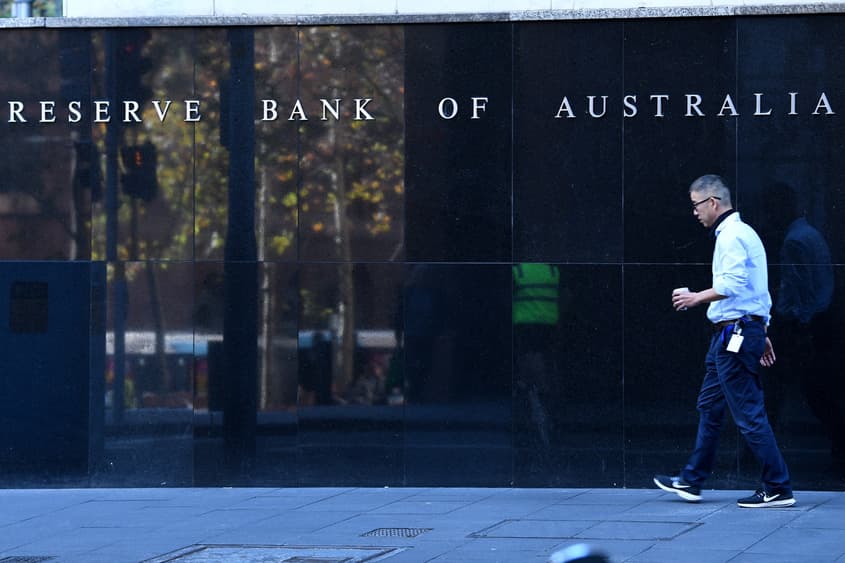
Photo: AAP Image/Bianca De Marchi


Markets are predicting two interest rate rises in 2026 but the Australia Institute’s chief economist has urged cash-strapped mortgage holders not to panic just yet.
Earlier in December, Reserve Bank Governor Michele Bullock ruled out providing any more relief when she told reporters, “I don’t think there are interest rate cuts in the horizon for the foreseeable future”.
“The question is, is it just an extended hold from here or is it the possibility of a rate rise?”
Speaking on the Australia Institute’s Dollars & Sense podcast, chief economist Greg Jericho stressed the speculation is still crystal ball gazing.
“Back in October, less than two months ago, they were pricing in two interest rate cuts at the end of next year, in fact, by May next year.
“So, these things can swing around pretty wildly.”
The RBA Governor said it appeared additional cuts “are not needed” as “the private economy is recovering”.
“It’s taking over from public demand,” she noted.
Figures released by the Australian Bureau of Statistics show spending jumped 1.3% in October – the highest monthly increase since January 2024.
The unexpected rise in consumer spending could increase inflation.
“Unemployment isn’t as much of a concern as inflation,” said Mr Jericho.
“The Governor goes on about the dual mandate … but it really is a dual mandate with a lot of bias towards the inflation side rather than the unemployment side.”
While unemployment is rising and wage growth is slow, Mr Jericho said the RBA will “just view that as a reason not to raise interest rates”.
“If inflation stays steady or goes up a little bit, they’ll view that as a reason to increase.”
The RBA has cut interest rates three times in 2025 to 3.6%.
“The fact they’ve taken those interest rate cuts off the table is a bit weird,” said Mr Jericho.
“It’s rare for a governor to actually say we’re not going to be doing something … so it’s a safe prediction.”
If interest rates do increase, it will mark the shortest and shallowest rate cut cycle in three decades.
“It’s unfortunate this Reserve Bank has always looked for an excuse not to cut and now they’re not even bothering.
“They’re just saying, no, we’re not going to do it, we don’t need an excuse,” said Mr Jericho.
The Australia Institute’s chief economist also had a message for the Albanese Government and urged them to stop watering down proposed tax policies and instead pursue brave reform in 2026.
Greg Jericho is one of almost 30 advocates, politicians, campaigners, medical doctors, academics and a firefighter who feature in the Australia Institute’s new publication, A Time for Bravery.
“The whole premise of the book is essentially that in all manners of life, bravery is needed to bring about a better society,” he said.
He pointed out that right now ‘bravery’ is defined by media and big business and their vested interests.
“What ends up being seen as brave policy when we’re talking about tax or economics … is always something that is going to affect the very wealthiest.”
He pointed to the Albanese Government’s proposed superannuation tax changes that were targeting balances over $3 million. Had it gone through, it would have impacted around 80,000 people.
“It was less than half a percent or around half a percent [of people who have superannuation] and yet the way the media covered that, especially conservative media … was this sense that oh this is very brave because you’re going to hurt these people who are powerful.
“We should be talking about this as common sense.”
He said Prime Minister Anthony Albanese needs to start enacting meaningful change, which is what voters expect when they change government.
“Voters have given you a huge majority. Be brave. If you actually think the country would be better if you pursued these policies, then do it.
“If you think it’s better, go for it.”
Related Articles
An economist’s advice on why EV ‘range anxiety’ is overrated
If you are thinking about buying an EV, the faster you can abandon the ‘rational’ way of thinking about ‘filling up’ with petrol, the more relaxed you will be, and the less you will spend, ‘topping up’ with electrons.
Japanese climate coalition joins growing push for 25% gas export tax
Calls for Australia to impose a 25 per cent gas export tax have gained international backing, with a coalition of Japanese climate and advocacy groups urging the Albanese government to act.