It comes as the Albanese Government announced it was opening new areas in Commonwealth waters for offshore gas exploration.
By Tegan George
Mon 22 Dec 2025 06.00 AEDT
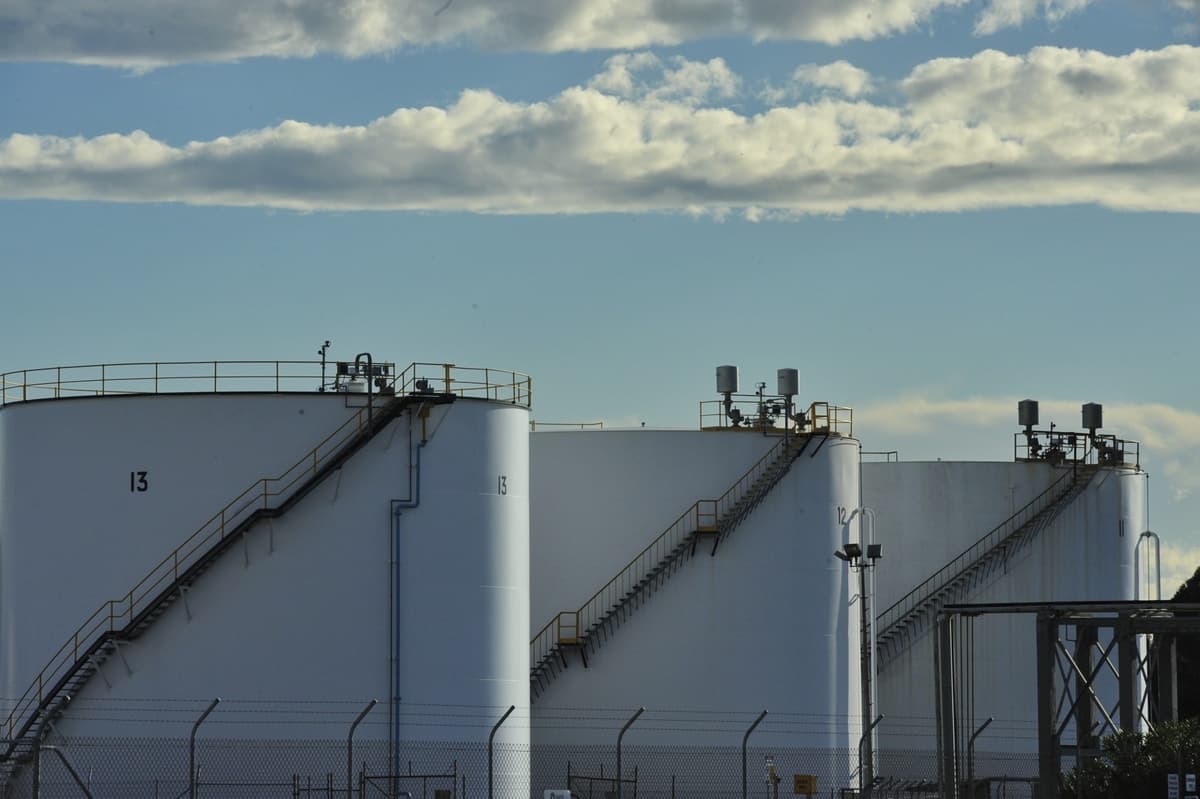
Photo: AAP Image/Mick Tsikas


Fossil fuel giants are being urged to stop searching for new oil and gas as research shows they would be better off returning cash to shareholders.
New analysis by the Australasian Centre for Corporate Responsibility (ACCR) has found the world’s ten largest oil and gas companies would create significantly more shareholder value – US$78 billion – by ending exploration and curtailing upstream development.
Lead analyst, Alex Hillman said every business the ACCR assessed, “is more valuable as a production company, rather than an exploration and production company.
“Exploration isn’t creating value – it’s destroying it and has been for 25 years.”
It comes as the Albanese Government announced it was opening new areas in Commonwealth waters for offshore gas exploration.
Minister for Resources Madeleine King said five new zones have been released for bidding in Victoria’s Otway Basin.
“Exploration and new discoveries will play an important role in underpinning our energy needs and support Australian industry and households as we meet our net zero commitments,” Minister King said.
The decision has been met with backlash from the Greens and conservationists.
“Labor’s two-faced climate act is wearing thin,” said the Greens spokesperson for healthy oceans, Senator Peter Whish-Wilson.
“How on earth is ripping open new gas fields for fossil fuel companies to plunder, pollute and profit from in a time of climate emergency consistent with transitioning to a clean energy future?”
The ACCR’s research found the financial case for exploration is “weak and getting worse”.
“The oil and gas sector is running out of road. Exploration is slower, costlier, and eroding value, while the market itself is shrinking as more sectors electrify,” said the ACCR’s Oil and Gas Strategy Lead Nick Mazan.
Its analysis shows conventional exploration is five times more expensive and taking almost twice as long compared to three decades ago.
Advertisement
“This industry has delivered half the returns of the rest of the market over the last 10 years and continuing to plough shareholder money into upstream exploration and new projects will not change that,” said Mr Mazan.
The ACCR calculates on average, every $1 spent on global conventional exploration by the sector since 2000 has eroded $0.71c.
“Even if these companies ceased developing new conventional projects, they would remain large oil and gas producers for decades,” pointed out Mr Hillman.
“Cumulative production would reduce by 10% to 2050. And $78 billion of shareholder value would be created.”
Minister King said the newly released acreage off Victoria will help address the “structural gas shortfalls forecast from 2029”.
“Addressing shortfalls is important to support our manufacturers who require gas as a feedstock or as a heat source and cannot transition to alternatives in the short to medium term.”
However, Greens Resources Spokesperson, Senator Steph Hodgins-May, said there’s no plausible excuse.
“Labor’s new ocean acreage handout is an environmental betrayal and an early Christmas gift to the fossil fuel companies driving the climate crisis.
“We have an export crisis, not a supply crisis.
“Labor is pre-empting the Gas Market Review by opening up new supply instead of fixing the existing broken system that allows big gas companies to export $170 billion dollars of free gas over the next five years.”
The release coincides with the Victorian Government’s approval of exploration licences for two new gas projects in the Otway and Gippsland basins.

