The single most amazing thing about carbon capture and storage (CCS) is how much time and money is spent examining something fossil fuel companies don’t actually want to work.
This week, the “Carbon Capture APAC Summit” – Woodside and Shell are the ‘energy transition sponsors’ for the event (seriously) – will spend two full days discussing the single most overhyped climate vaporware that has ever existed.
Here are 5 things they won’t be discussing:
1 – It hasn’t lived up to its promise
As I found in my 2024 analysis, the Global CCS Institute, the International Energy Agency, the fossil fuel companies’ own scenarios and the IPCC have all assumed that CCS would capture massive amounts of carbon.
When I compared the real capacity of CCS to these projections, the result was clear. Even when you look solely at planned projects rather than projections, models or scenarios, the actual capacity ends up way below what’s expected.
Compare that to how wind and solar have wildly exceeded expectations.
By now, CCS was ‘meant’ to be capturing a massive proportion of the world’s fossil fuel emissions. It has failed on a scale that no other technology has ever failed before.
To put this into perspective: in Australia, renewable energy is responsible for preventing the release of around 68 times the emissions avoided by CCS from 2000 to 2024.
2 – Australia’s biggest CCS projects are among the world’s biggest failures
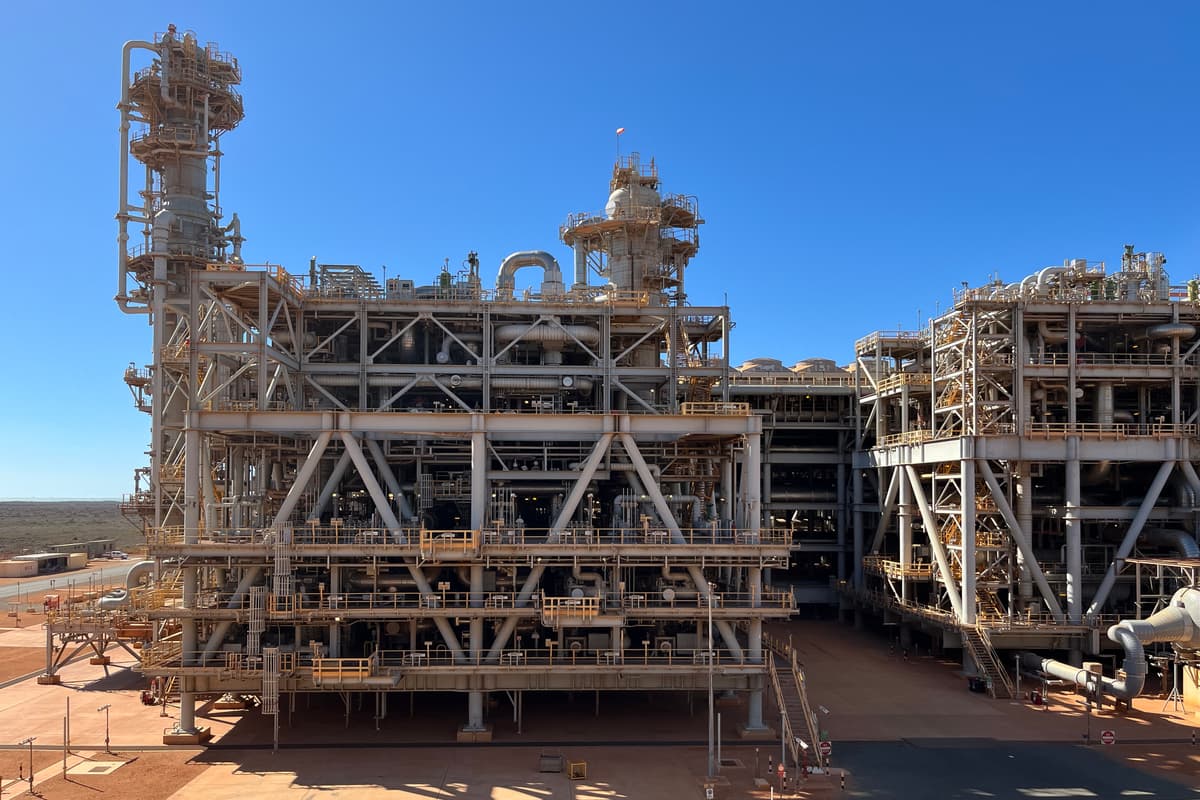
Gorgon, based in Western Australia, has met only one-third of its total carbon capture target.
Santos’ Moomba project only captures 4% of the company’s total emissions.
If there is one country in the world that perfectly represents the disappointment of CCS, it is Australia.
A Japanese Minister was recently granted a visit to Gorgon, to see “the use of CCS Technology to reduce emission amounts”. Austrade was still touting Gorgon as a success story, claiming that “Australia’s commercial track record includes large-scale deployments”.
This is what that looks like:
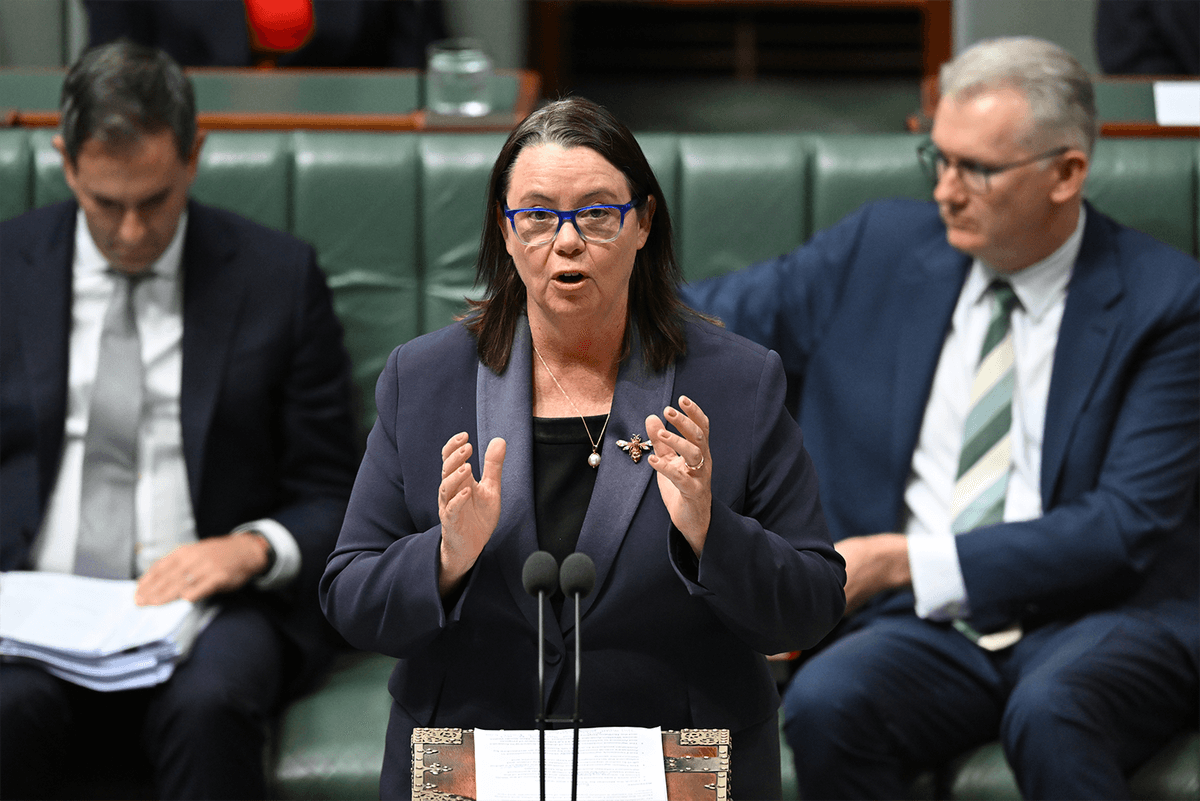
Gorgon was ‘meant’ to be capturing 80% of its greenhouse gas emissions and was approved on the expectation that it would. As WA Greens MP Sophie McNeill found recently, Chevron has faced no sanctions or fines for this, despite racking up $8 billion in profit.
3 – CCS is a subsidy vacuum
As the Australia Institute has covered endlessly, the fossil fuel industry in Australia sucks up fossil fuel subsidies like there is literally no tomorrow. And CCS helps the cash keep flowing – the latest report shows Western Australia is giving $15m for an offshore CCS hub and $11m for another CCS hub. The state’s “strategic investment fund” is also granting $2m to various CCS projects. Consider, too, the ancient CarbonNET project. Now 16 years old, it is still receiving funding from the Victorian government and has never stored any carbon. Imagine a renewable energy project receiving tens of millions of dollars over decades and never generating any power.
These numbers are just the latest figures. CCS, as a broader project, has sucked up billions in government support over the past decades, and in return, it effectively recaptures and stores around 0% of total global emissions.
4 – CCS is leaning into the offsets grift
CCS projects around the world have started selling offsets as an additional revenue stream, and one of the worst is in Australia. Nearly 15% of all offsets generated in the last quarter of last year were for CCS. What this means is that whatever good Moomba might actually do, capturing a sliver of carbon, it gets immediately undone because it “sells” that climate action for another polluter to use to excuse their pollution instead of actually reducing it.
The latest report from the regulator shows Santos has been granted 1,194,662 offsets for its carbon capture project to date. At a price of $37.50 per offset, they’ve earned $44 million, just over the space of half a year.
As it turns out, my analysis of the new Safeguard Mechanism data shows that 25,736 of these CCS offsets were bought by Woodside, one of Australia’s biggest gas companies, to help the North West Shelf facility pretend to comply with its emissions targets. While it isn’t their biggest offset category (most come from other controversial methods), it’s a sign of what’s coming if the industry gets its way:
Think about this for a moment. If Woodside is claiming the emissions reductions from Santos’ CCS project, why is Santos also claiming those same emissions reductions in their corporate report? This double-counting is rife in the fossil fuel industry. And CCS offsets are a growing problem around the world.
5 – CCS is a tool for shifting risk to taxpayers
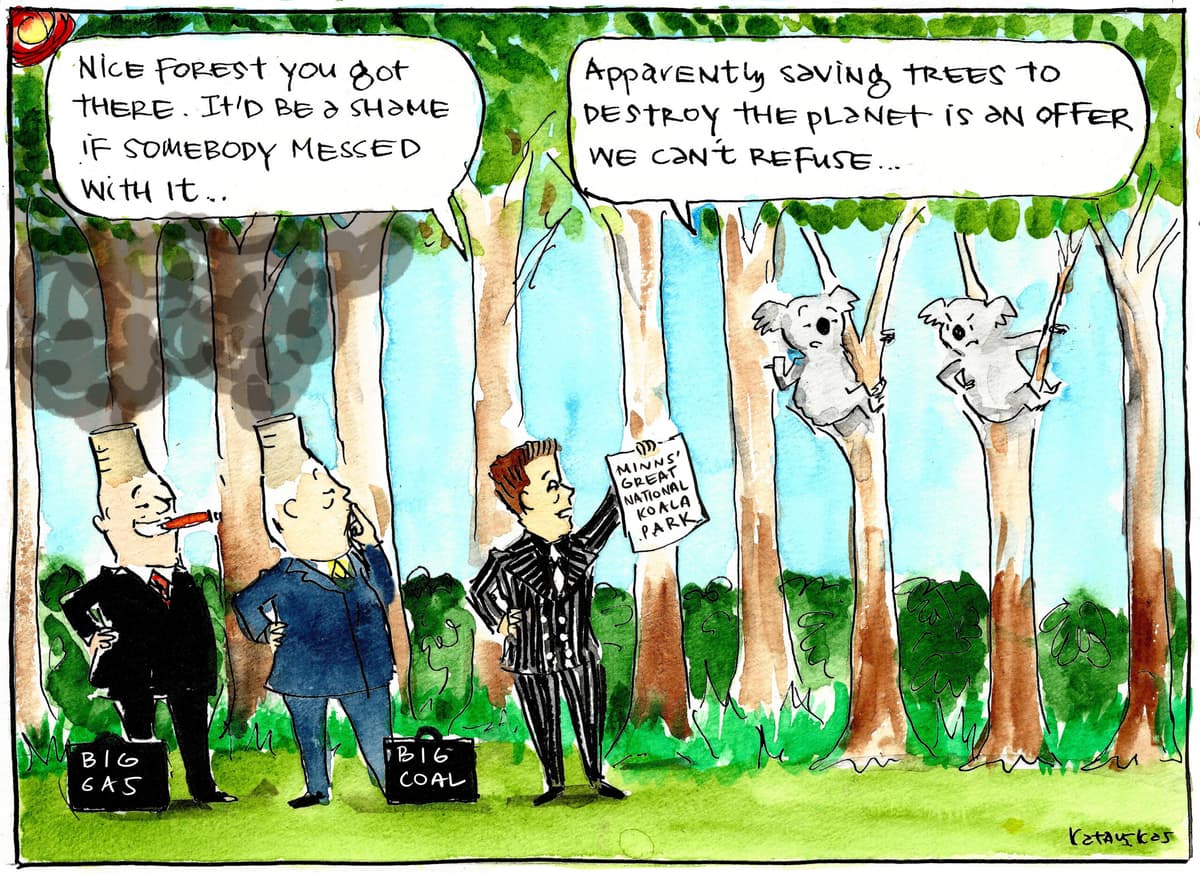
All of this points to the significant threat of CCS becoming a way of smoothing the approvals and subsidies for massive new fossil fuel projects. The Browse CCS proposal, for instance, is helping to ease the approval of Woodside’s massive gas project (just that CCS project alone will have massive catastrophic environmental impacts). Chances are it won’t work, and if it does work, it’ll sell any emissions reductions as carbon offsets to another massive polluter to undo any good.
Consider this in the context of the likelihood of a massive drop in demand for Australia’s fossil fuel exports – not just as countries follow their climate targets, but in response to countries protecting themselves from unreliable, unstable and expensive fuels that tend to get trapped behind America’s military actions.
It is a huge tsunami of risk dumped on taxpayers – environmental and fiscal risk. Decades of failure haven’t made a dent in the enthusiasm with which the industry touts this technology. And Australia’s volatile political environment means the risk of this threat is even worse than usual.