Environmental groups have accused the Albanese Government of laying the groundwork to weaken nature protections after the federal budget allocated millions toward devolving environmental approval powers to states and territories.
Conservation councils across Australia warned the move could fast-track mining, energy and land-clearing projects while undermining protections for nationally significant ecosystems and animals, such as the Great Barrier Reef, Kakadu and critically endangered species.
“This budget creates dangerous conditions for accelerating, rather than stopping, nature destruction,” said Environment Centre NT Executive Director Dr Kirsty Howey.
“For good reason, communities have long opposed the handing of federal responsibility to state and territory governments that often show reckless disregard for nature.”
The Albanese Government struck an eleventh-hour deal with the Greens last November to pass its landmark environmental laws in the Senate.
Part of those reforms included the establishment of a national Environment Protection Agency (EPA).
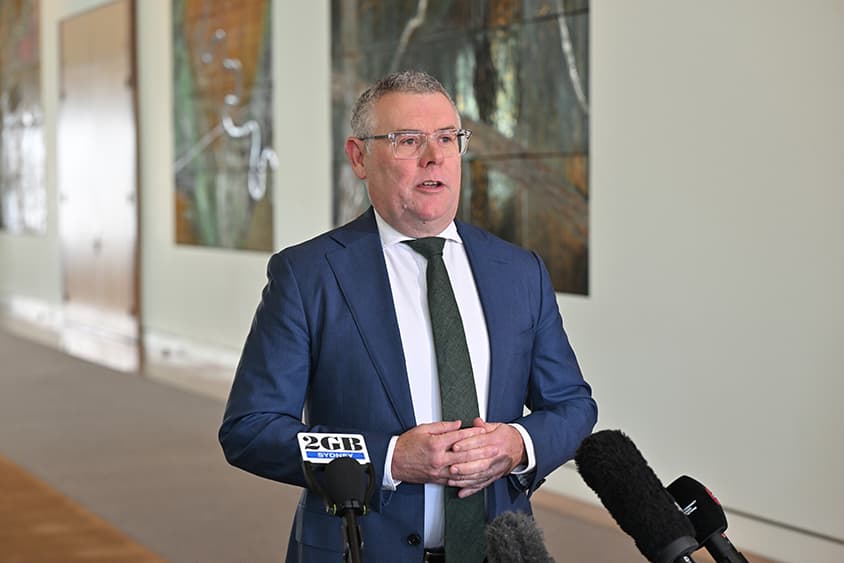
Environment Minister Murray Watt said the 2026-27 Budget included $250 million over two years to set up and operate the independent entity and provide ongoing funding from 2028-29 when agreements are in place with states and territories.
“The funding we are announcing today will ensure the National EPA can be a strong, independent regulator with a clear focus on ensuring better compliance and enforcement of our strengthened environmental laws,” Minister Watt said.
“It will also ensure the National EPA can support national productivity, through quicker, more streamlined approvals for projects important to our nation’s future prosperity, like affordable housing, renewables and critical minerals.”
However, conservation groups questioned whether it was simultaneously seeking to reduce federal oversight.
“For the first time in history we will have a national Environment Protection Agency with the power to enforce the laws that protect Australia’s unique plants and wildlife,” said Environment Victoria CEO, Jono La Nauze.
“This could be undermined, however, if a future government hands decision-making powers back to state governments through proposed devolution measures.”
The budget included $47.6 million over four years to “progress bilateral agreements” with state and territory governments so that they could assess projects and approve them on Canberra’s behalf.
“We have national environment laws for a reason,” said Conservation Council WA Executive Director Matt Roberts.
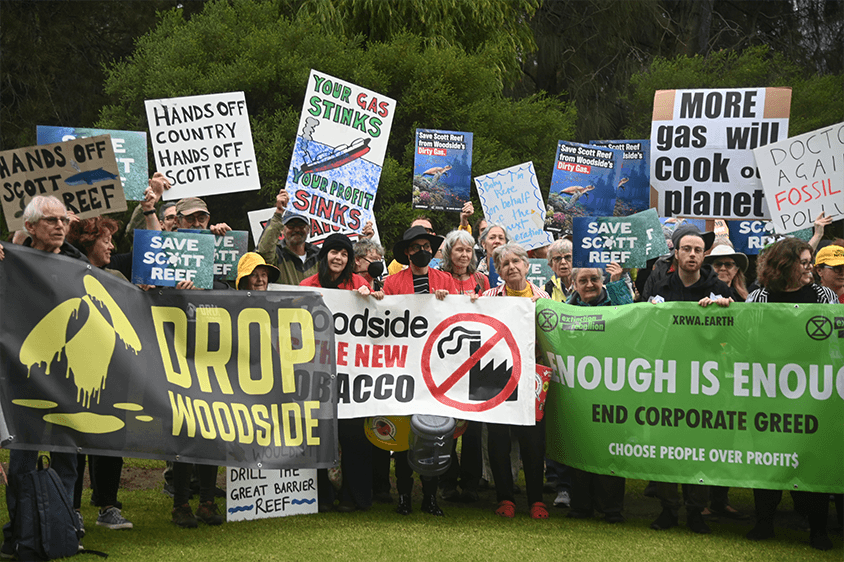
“The federal government has a responsibility to keep decision-making powers for destructive projects like the North-West Shelf and Browse Basin (which threatens to destroy Scott Reef), and in relation world heritage areas like the Murujuga cultural landscape.”
Environmental advocates warned the agreements would give state and territory governments power to approve projects that would impact world heritage areas, wetlands and threatened species.
“Federal nature laws should be administered by the federal government – it’s that simple,” said Conservation Council of the ACT Executive Director, Simon Copland.
“Devolution is reckless and gives rise to potential conflicts of interest, where states and territories, who are often the key backers of destructive projects, are handed powers to assess and approve them.”
Treasury estimates that streamlining assessment pathways would reduce regulatory burden by up to $6.9 billion each year.
Queensland Conservation Council acting director Anthony Gough said the federal government appeared to be “passing the buck” on its environmental responsibility.
“The Great Barrier Reef and our native forests deserve more than a ‘tick and flick’ state government approval process that doesn’t even consider outcomes,” he said.
Nature Conservation Council of NSW CEO Jacqui Mumford described the budget as “nature negative”, warning it could make it easier to “destroy, pollute and develop” as the country deals with “colliding extinction and climate crises”.
The environmental groups are concerned state and territory governments “are not strong enough to resist industry pressure”.
“With Tasmania’s Maugean skate still balancing on the edge of extinction, how can the Albanese Government credibly stand by its commitment to ‘no new extinctions’, whilst handing full environmental control over to a Tasmanian Government that has no interest in tackling the primary threat to the skate’s survival,” asked Environment Tasmania CEO James Overington.
Conservation Council of SA CEO Kirsty Bevan warned states have a poor record when it comes to protecting key wetlands and waterways in the Murray-Darling Basin.
“South Australia bears the full consequences of cumulative water extraction, contamination and climate-driven flow reductions in the Murray Darling Basin, and states have demonstrated that they won’t protect internationally recognised Ramsar wetlands in the Coorong and Lower Lakes.”
The reforms are likely to intensify debate over whether the government really can balance economic growth with its promise of “no new extinctions”.