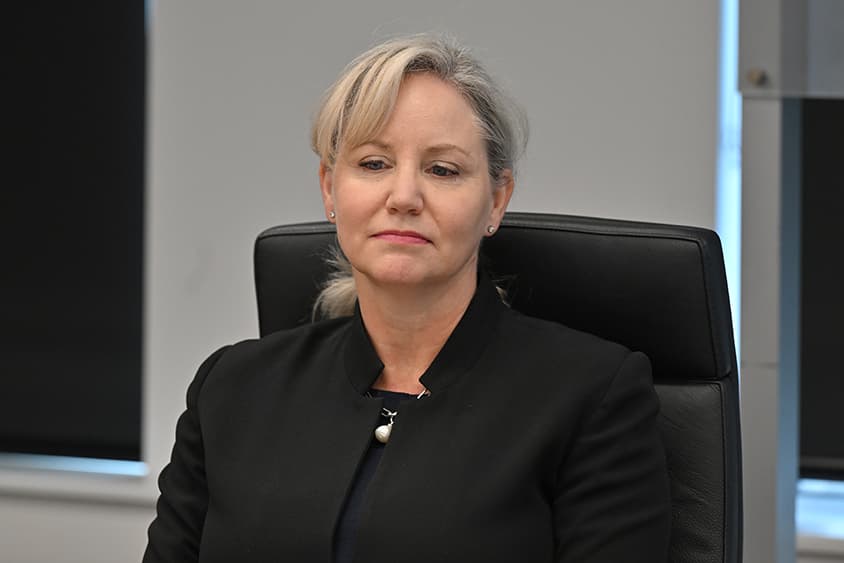
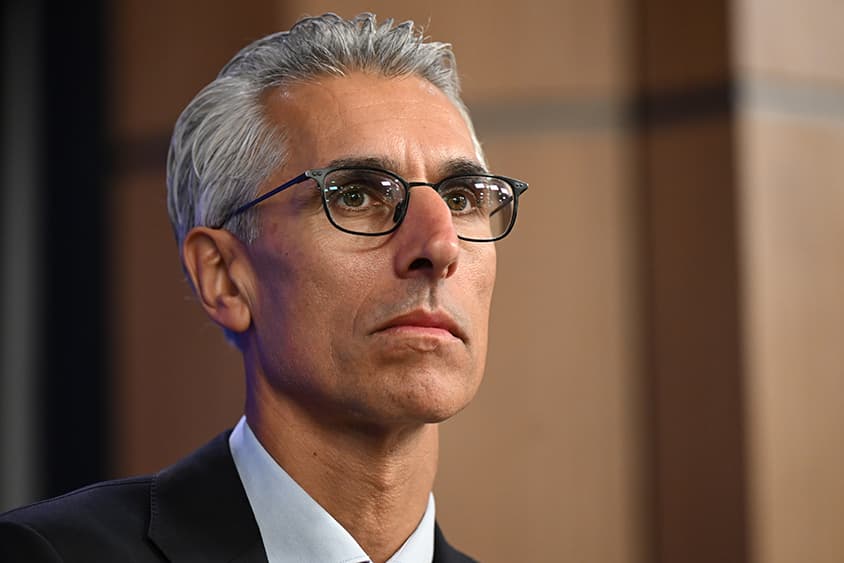
An inaugural member of the National Anti-Corruption Commission’s (NACC) leadership team has resigned, as concerns continue to mount over the embattled integrity watchdog.
Deputy Commissioner Nicole Rose will finish her role at the NACC later this month, before taking a period of leave and relocating overseas.
“Without drawing any conclusions, the timing of Rose’s resignation is certainly interesting,” said journalist Nick Feik, who co-authored an investigative piece on the NACC for The Point in late April.
“Also curious is the lack of explanation for her sudden resignation two years before her term is up, and the fact that the NACC buried the announcement deep in its routine monthly updates,” he added.
In a statement, Attorney-General Michelle Rowland thanked Ms Rose for making “an invaluable contribution” to the establishment of the government agency.
The NACC has faced sustained scrutiny since its inception in 2023, with critics raising questions about its transparency, governance and performance.
Most recently, the ABC revealed NACC Inspector Gail Furness would formally investigate Commissioner Paul Brereton for officer misconduct over his defence ties.
Nick Feik, Michelle Fahy and Elizabeth Minter wrote in The Point that mismanaged conflicts of interest had “undermined the reputation of an institution whose success relies on its transparency and accountability”.
They said it had placed greater responsibility on the NACC’s three deputy commissioners – a group their investigation found to “represent the least qualified combination of deputies permitted under the NACC Act”.
“The aim of our investigation was to highlight the lack of transparency around senior appointments to the NACC,” said Mr Feik.
The corruption watchdog was accused of being “too secretive” in its first two years of operation, including over its investigation into the illegal Robodebt scheme.
While the Robodebt Royal Commission referred six people to the NACC in July 2023 for investigation, the corruption watchdog only started its probe in April 2025.
It’s understood was responsible for the NACC’s initial decision not to pursue investigations into the six individuals.
The journalist authors of The Point article said Ms Rose’s highest academic qualification is a diploma of hotel management, raising serious questions about her appointment, not only to the NACC but also to her previous two roles at AUSTRAC and CrimTrac.
“The public has a right to understand the appointment process and qualifications and backgrounds of the inaugural commissioners, and that’s what we were trying to illuminate, because what we found over months of investigating was critically important – and surprising,” said Mr Feik.
A 2020 Daily Telegraph investigation, based on freedom of information documents, found Nicole Rose was appointed as AUSTRAC CEO in 2017 through a process that bypassed a competitive selection, despite a shortlist that included “highly suitable” candidates.
questions about her appointment were raised in Senate Estimates, with Ms Rose stating she did not apply for the role and was approached by the minister after the process ended.
The Centre for Public Integrity has called on the Attorney-General to implement a “best practice, transparent appointment process for her replacement.
“This moment should prompt the Government to go further and amend the NACC Act to require a transparent, arms-length and merit-based appointment process for the Commissioner and Deputy Commissioners,” said the Centre’s Research Director Professor Gabrielle Appleby.
“Public confidence in the NACC depends not only on the individuals appointed, but on the integrity of the process by which they are selected.
“We must be honest that there is repair work to be done, and strengthening the appointments framework is an essential part of that task.”
The investigation featured on The Point raised broader questions about decision-making processes within the Commission, sparking renewed calls for reforms.
“Australia needs a national corruption watchdog with integrity and teeth,” said Bill Browne, director of the Australia Institute’s Democracy & Accountability Program.
“Over 9,000 Australians have joined the Australia Institute’s call to bring forward the independent review of the NACC, expand the powers of the independent Inspector who reviews NACC operations, and ensure no party has the majority vote on the NACC’s parliamentary oversight committee.
“These reforms would go some way towards improving governance structures around the NACC.”
Mr Feik said the agency’s performance so far had been “disappointing”.
“The NACC has a budget of around $65m per year, and a staff of over 200 people. Yet despite over 6,000 referrals, the NACC hasn’t made a single major corruption finding in almost three years.”
He described the deputy commissioner’s resignation as “another unwelcome disruption from its primary task of fighting corruption.”
“Hopefully this episode will lead to a more open, transparent and rigorous process for the appointment of future commissioners and deputy commissioners. The NACC needs it.”