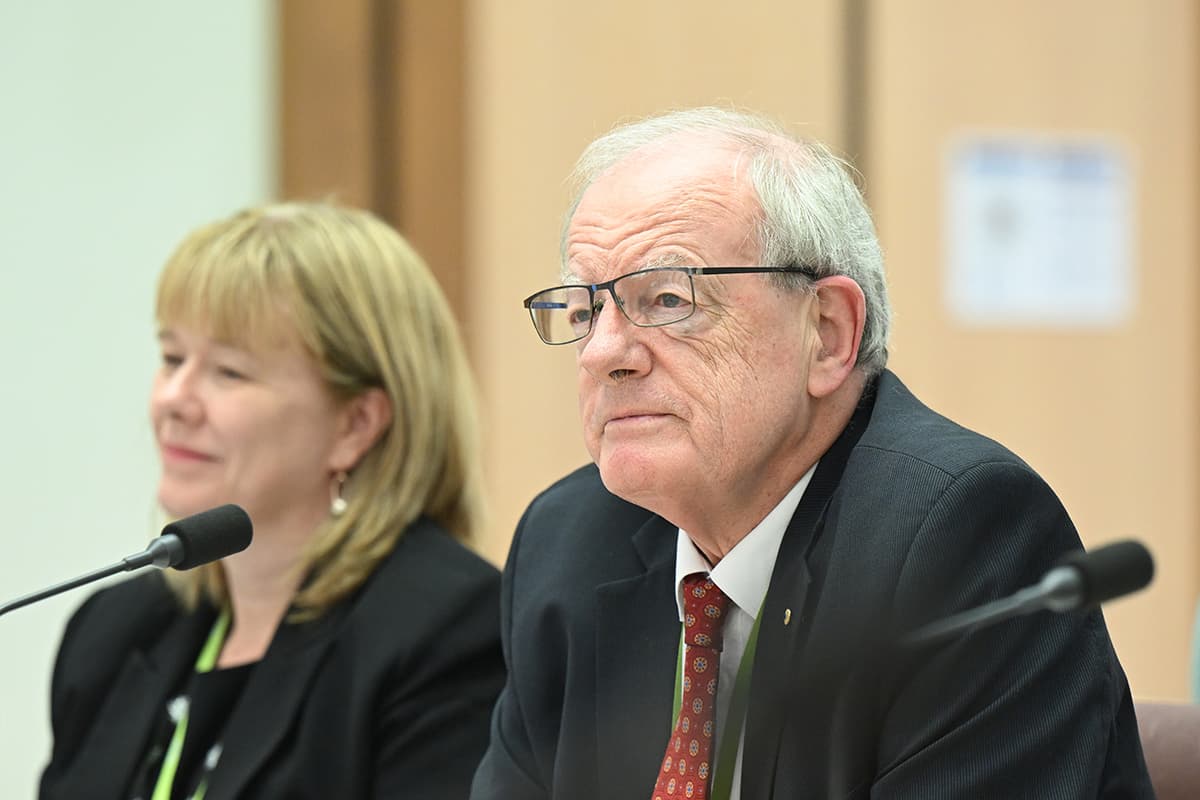
National Anti-Corruption Commissioner (NACC) Paul Brereton has resigned amid ongoing scrutiny over alleged conflicts of interest.
The NACC’s inaugural Commissioner has notified the Governor-General that he will leave the role on July 6, just three years into his five-year term.
In a statement, he said, “The ongoing focus on matters relating to me personally rather than the Commission’s work is drawing attention away from the Commission’s core purpose of strengthening integrity in the Commonwealth public sector, which has always been my primary focus as Commissioner.”
Earlier in the year, it was revealed that the former army general was being investigated for officer misconduct over his defence ties. He had already been subject to adverse findings relating to the handling of the unlawful Robodebt scheme.
The ABC also reported that Attorney-General Michelle Rowland had written to the anti-corruption chief last year asking why he did not adequately disclose his ongoing work with the Australian Defence Force (ADF).
In his statement Mr Brereton said, “While I will continue to resist any suggestion of impropriety, I have decided that it is time, now that the Commission is established and functioning with quality staff and good processes, to step aside and allow a new Commissioner to lead it into the next phase of its development into a key and respected component of the integrity architecture of the Commonwealth.”
His resignation came a day before he is due to front a Senate estimates hearing, timing that Greens senator David Shoebridge described as “striking”.
“Commissioner Brereton’s inability to appropriately manage conflicts of interest, including relating to the Robodebt scandal, has plagued the NACC and materially damaged public trust.
“Repeated questioning in Parliament oversight committees has slowly drawn out details of Commissioner Brereton’s ongoing involvement with Defence, and this has been essential in shedding light on the NACC.”
Independent Senator David Pocock also welcomed the news.
“I have called for some time for Commissioner Brereton to step aside and I welcome his decision to do so today,” said Senator Pocock.
“There have been too many perceived conflicts of interest, too many decisions out of step with community expectations and the need for the NACC Inspector to intervene too many times.”
The Australia Institute said his resignation provided an opportunity for the NACC to make a “fresh start” under new leadership.
“The National Anti-Corruption Commission was founded three years ago with great hope that it would expose federal wrongdoing, but it has so far failed to live up to its promise,” said Bill Browne, Director of The Australia Institute’s Democracy & Accountability Program.
“The next Anti-Corruption Commissioner will have to rebuild public trust. This is best done in the open, so Australians can see the NACC at work – but the existing restrictions on public hearings make that difficult.”
Deputy Commissioner Nicole Rose will finish in her role on the same day, having tendered her resignation in late May.
The NACC has faced sustained scrutiny since its inception in 2023, with critics raising questions about its transparency, governance, and performance.
The Australia Institute said if the watchdog is to rebuild trust, it should do so in the open with public hearings.
“The Albanese Government and the Parliament could set the next NACC Commissioner up for success by allowing public hearings whenever they are in the public interest, as supported by two in three Australians,” said Mr Browne.
“The Australia Institute has identified five ways to restore trust and integrity in the NACC, including removing the government veto in the NACC’s oversight committee and establishing a whistleblower protection authority.”
Senator Pocock echoed calls for the NACC to hold public hearings and urged the Albanese government to undertake a thorough and considered selection process for Mr Brereton’s successor.
“The appointment of the next Commissioner must occur through an independent and merits-based process that provides Australians with transparency,” he said.
“And it’s on the Attorney-General to ensure this is the case.”
“I believe that the Commission’s success is paramount, and not due to any single person,” Mr Brereton’s statement read.
As the Sydney Morning Herald reported, his departure comes before a statutory review of the watchdog due in 2027.
Mr Brereton said he deeply appreciated the support and contributions of the commissioner’s leadership and staff and praised them for working “tirelessly in the interests of the Australian people”.