Global investment in clean energy technologies is expected to reach $US2.2 trillion this year, nearly double the amount flowing into oil, gas and coal, according to a new report by the International Energy Agency (IEA).
According to the IEA’s World Energy Investment 2026 spending on renewables, grids, storage, low-emissions fuels, electrification and nuclear is rapidly outpacing fossil fuels as governments look to long-term security.
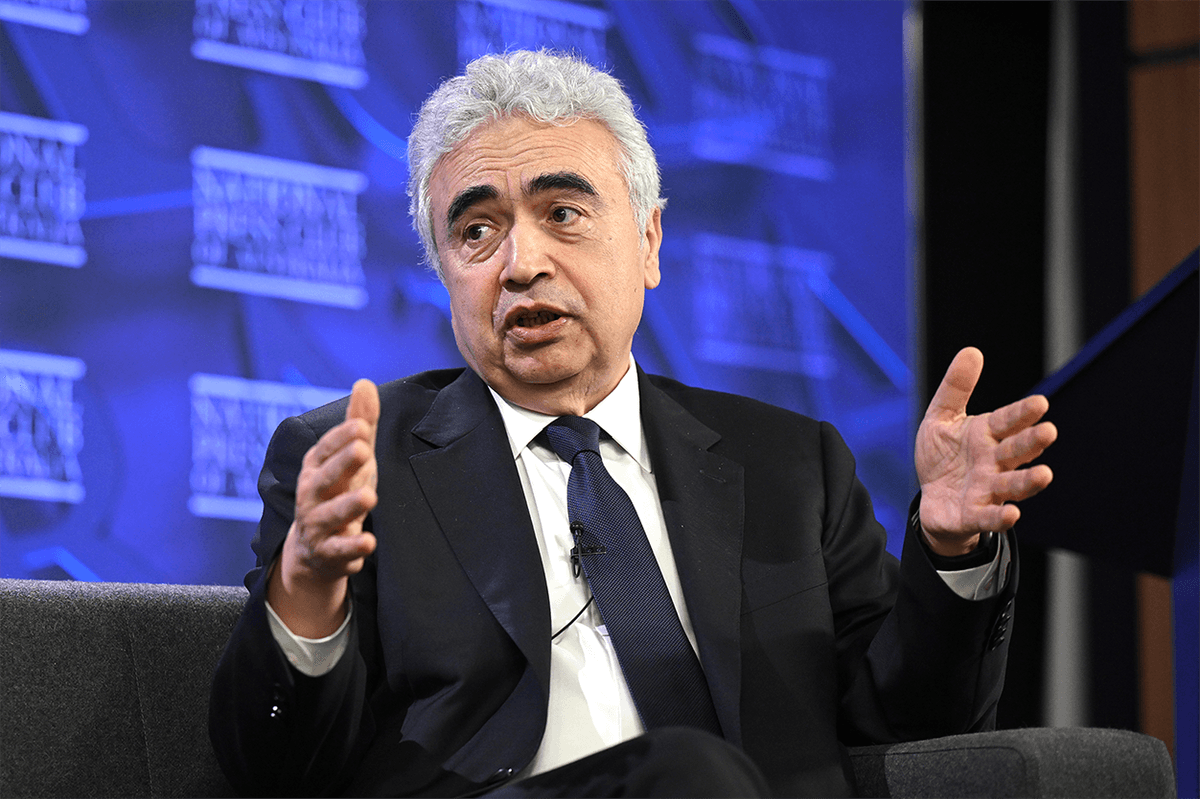
“We are in the midst of the largest energy security crisis the world has ever faced – and I believe this will reshape investment strategies globally, with parallels to the major changes the energy world witnessed after the oil shocks of the 1970s,” said IEA Executive Director Fatih Birol.
The world’s leading energy watchdog found capital flows to the energy sector were expected to grow to US$3.4 trillion in 2026 – up 5 per cent on last year.
The report projects $US2.2 trillion will be invested in clean energy and electrification technologies this year, compared with US$1.2 trillion for oil, natural gas and coal.
“The message is clear: we need to plan for and accelerate the transition from fossil fuels to renewables. That’s true in Australia and globally,” said Richie Merzian, CEO of the Clean Energy Investor Group and a former climate negotiator for the Australian government.
“We need to work methodically to reduce the obstacles to getting these projects to financial close and built, because in Australia the obstacles keep climbing.”
Interestingly, the IEA noted around three-quarters of the anticipated energy investments for 2026 are based on decisions made before the Middle East conflict began.
“The precise contours of this new energy investment landscape will become clear only over time,” said Mr Birol.
“But the way that global oil and gas supply – and large parts of the global economy – can be disrupted by blocking a 50km wide waterway will not be quickly forgotten.”
The conflict is expected to reinforce a shift towards “security, trust and diversity” as countries weigh up future energy investments and partnerships.
Recovery in the Middle East will be accompanied by a search for new trade routes, according to the IEA, which estimates that at least 30 energy facilities have been moderately or severely damaged.
“The trade and policy disruptions are seeing geopolitical re-alignments and regional agreements, with associated investment opportunities,” said Tim Buckley, director of the Climate Energy Finance think tank.
He said growing concerns about energy security were reinforcing the case for clean energy investment, even as climate issues received less political attention.
“While climate discussions have generally become lower priority, the heightened focus on energy security still leads to the same conclusion: decarbonisation and energy independence are strategic national priorities.”
The IEA showed renewables accounted for 70 per cent of global power generation spending in 2026 and recorded the strongest growth in energy investment over the past decade, followed by electrification, grids and storage.
Mr Buckley said the uptick had been driven by falling costs and rapid innovation, which have reduced the price of electric vehicles, battery energy storage systems and solar power by around 80 per cent over the past decade.
“This is creating massive investment and energy independence opportunities for countries whose governments are not captured by fossil fuel vested interests,” he said.
It has led to fuel-importing countries to increasingly look to domestic resources, with Mr Birol last month telling The Guardian, “The vase is broken, the damage is done.”
In contrast to clean energy, investment in oil supply is expected to decline for the third year in a row.
Gas sector spending is forecast to reach US$30 billion this year – the highest level in a decade – however, a second supply crisis in five years has shaken confidence among prospective importers.
The IEA warned the crisis could lead Asian countries to spend more on coal, with investment set to reach US$180 billion in 2026 – the highest level since 2012.
However, with China accounting for nearly 70 per cent of spending and almost all approvals for new coal-fired power plants, the surge in funding may prove temporary.
Prime Minister Anthony Albanese has increasingly come under scrutiny from climate and social advocates, who argue his government continues to support the fossil fuel industry during Australia’s energy transition.
Last month, he was accused of bowing to pressure from major gas companies after ruling out a 25 per cent export tax.
The Climate Council has also reported that since coming to power, his government has approved 36 new, expanded or extended fossil fuel projects.
Mr Merzian said the Albanese government had a unique opportunity to demonstrate global leadership on clean energy.
“Australia will be steering the negotiations at the COP31 climate summit later this year – it should use this opportunity to make the clean energy transition and electrification key priorities.”
The summit will be held in Turkey in November.