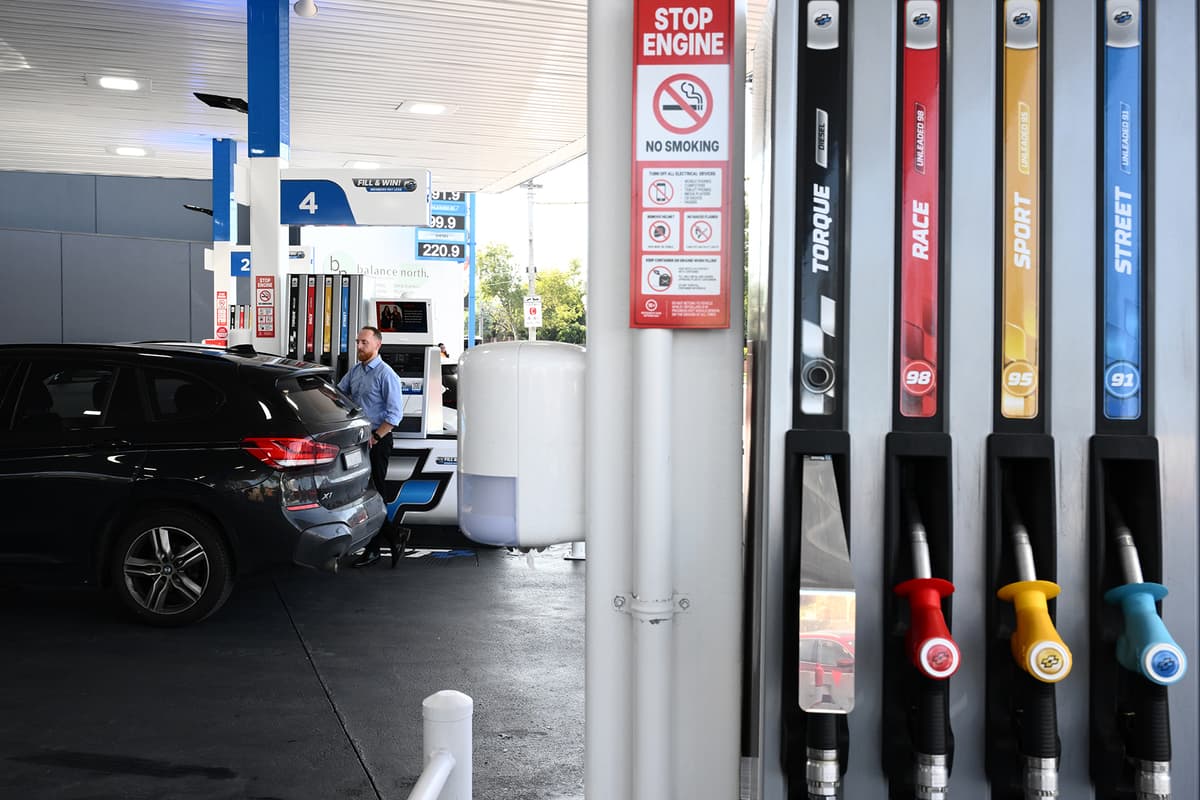
Australian motorists will continue to get some relief at the bowser, with the Albanese Government partially extending its cut on the fuel excise for another month.
The extension will provide a smaller reduction, with the 32 cents per litre reduction for petrol and diesel halved to 16 cents per litre.
The Heavy Vehicle Road User Charge, which has been waived since April, will increase to 16 cents per litre from July 1, before reverting to its full rate of 32.4 cents per litre when the relief measures end.
“The 16 cents a litre extension to the fuel tax cut that we’ve announced today will reduce the cost of a 65-litre tank of fuel by around $11,” Prime Minister Anthony Albanese said in a statement.
Both measures were due to expire at the end of June.
The reduced rates will now continue from July 1 until August 2, when they will cease.
Mr Albanese acknowledged a “substantial drop” in petrol prices in recent months but said the government had decided to extend the relief because “we recognise people are still under pressure”.
In March, he announced a three-month cut to the fuel excise, which took effect in April, to help ease cost-of-living pressures following a surge in fuel prices linked to the war in the Middle East.
National Cabinet signed off on the extension at a meeting this morning, with the measure expected to cost around $400 million.
“We acknowledge the contribution of the States and Territories to use their GST revenue to fund a 5.7% portion of the fuel excise cut over the last three months,” the PM said.
The Australia Institute’s chief economist Greg Jericho said the halving of the fuel excise for 3 months had cost the government around $2.5 billion dollars.
“Now that works out to around 212 million a week,” he said.
“Well, you know what raises $350 million a week in revenue?
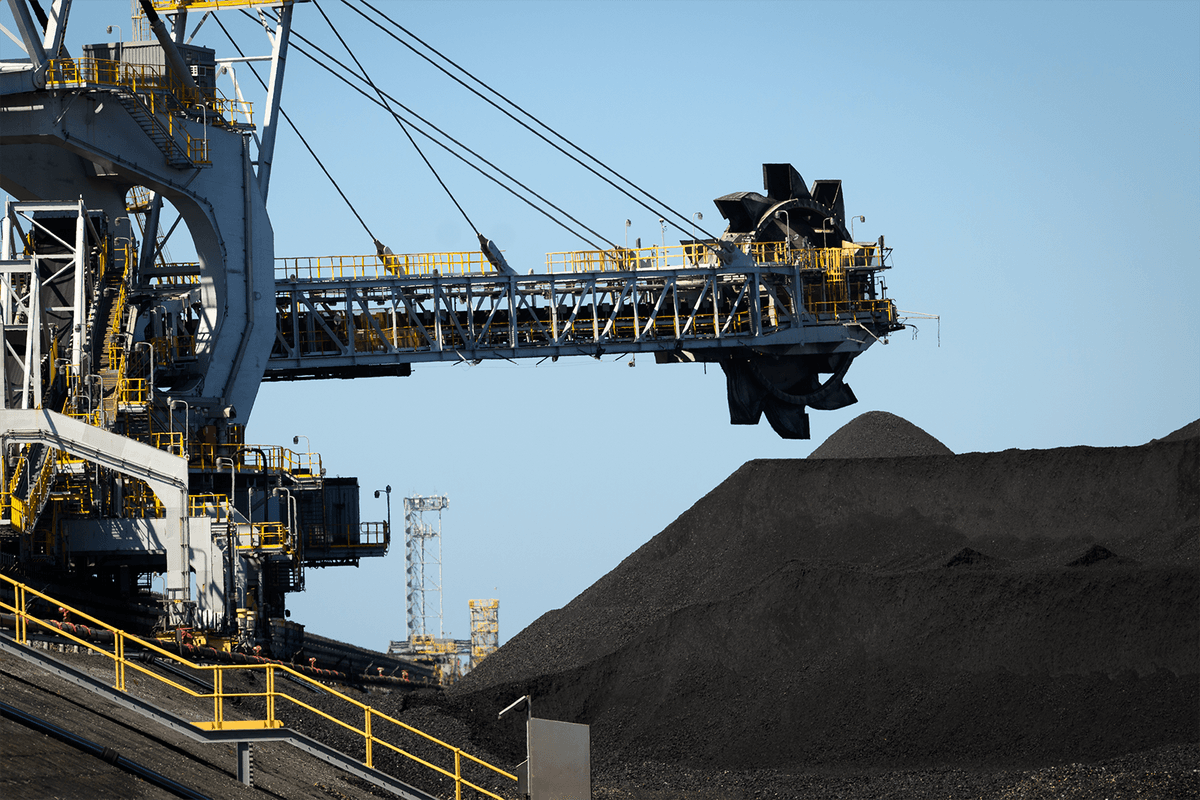
“A 25 per cent tax on gas exports.”
Calls have intensified for the Albanese government to introduce the levy, with Australia Institute research showing voters across the political spectrum overwhelmingly support it.
The Australia Institute estimates it could raise roughly $17 billion in revenue each year.
It’s leading calls for a national plebiscite on the issue, with its petition exceeding 40,000 signatures.
Last week the US and Iranian presidents signed an initial agreement to end the conflict, with the New York Times reporting they had agreed to a 14-point memorandum of understanding that included reopening the Strait of Hormuz and entering a 60-day negotiation period to reach a final deal.
However, the BBC reported that Iran had again closed the strategic waterway in response to Israeli attackers in southern Lebanon.
Mr Albanese wouldn’t be drawn on whether the fuel excise reduction could be extended again if an agreement isn’t reached within those 60 days.
“This is about providing certainty,” he told Sky.
“Of course we do live in a volatile world.
“Were there to be a massive global shock, my government will always respond.”