From today, with the end of the cut in the fuel excise, petrol is back at full price. And over the past month, Australians have experienced economic pain equivalent to around one and a half RBA rate rises.
In March, with oil prices rising around 55% in less than a couple of weeks, the Albanese government decided to cut the fuel excise by 50%. This was a smart decision because governments should protect households when they are affected by rising prices due to supply shocks. The price of petrol didn’t rise because Australians suddenly were doing a lot more driving and thus increasing demand for unleaded.
No, it was all due to Israel and the USA bombing Iran and sending the world oil price skyrocketing:
Australian petrol prices followed the world oil price up – going from an average of 189c/l on 26 February to 258cv/l by the end of March:
The halving of the fuel excise for three months brought relief (as did the falling world oil price). The decision to extend the fuel excise discount through July, but to reduce the discount from a halving to a 25% cut, came at a time when oil prices were around what they had been when the bombing began in February.
Unfortunately, it also occurred at the time that suggestions Trump had achieved “peace in our time” were destroyed as bombing by both sides restarted and the Strait of Hormuz continued to be closed.
Since 30 June, unleaded petrol prices have gone from 152.5c/l to by yesterday 195.5c/l. Now they are set to rise another 16c/l as the 25% cut to the fuel excise ends, and consumers will pay the full price – around 221.5c/l.
Because petrol is a necessary purchase for many, price rises act much like interest rate increases. Just like with rate rises, when you can’t avoid paying more for something like petrol, it means you have less to spend on other things.
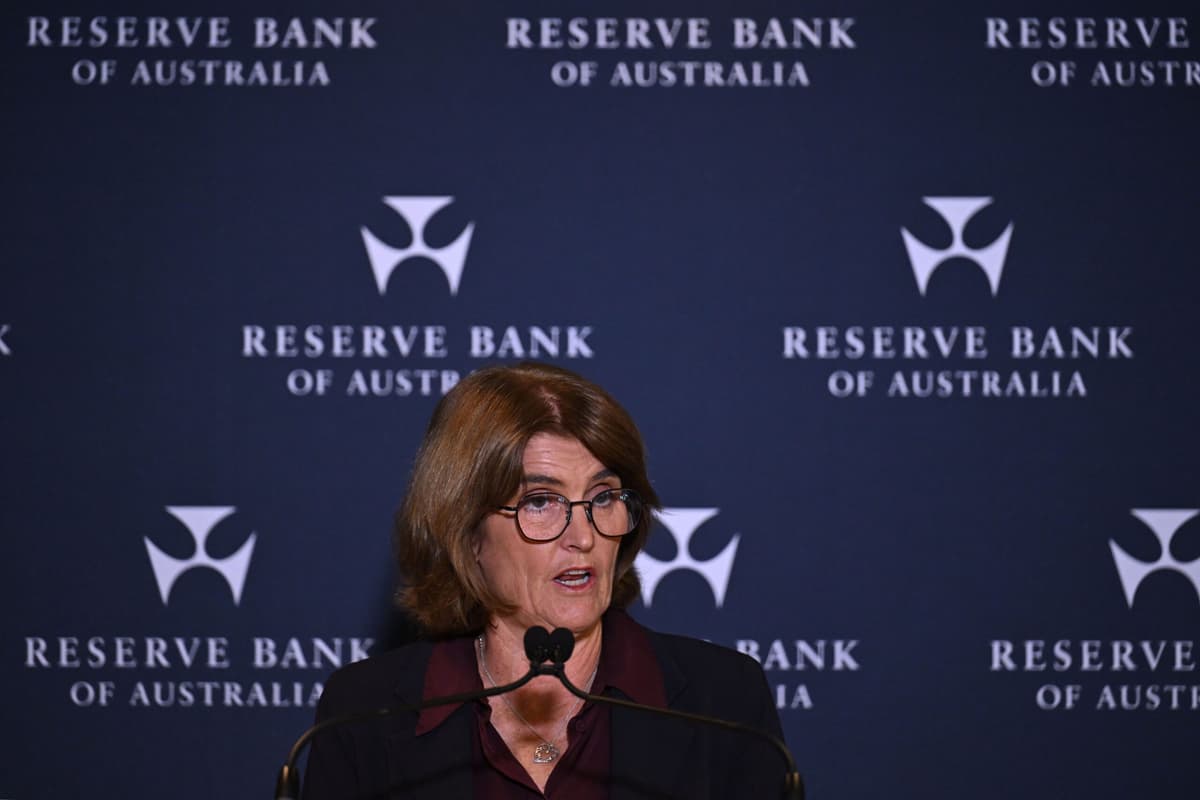
As such, a 16c/l increase in fuel is roughly the equivalent hit to households of the RBA raising the interest rates by 11 basis points (the usual rate rise is 25 basis points). It means however that since the end of June the rise in petrol prices has been equivalent to the RBA raising rates by 39 basis points.
Fortunately, after the June inflation figures showed a slowing of price growth, investors now believe there is little chance the RBA will raise rates when it meets next week.
With the end of the fuel excise and continuing disbelief that Trump has any ability to negotiate an end to the war, Australians have already been dealt financial pain equivalent to more than a rate rise in the past month. Another rate rise would very much hurt Australians for no good purpose.
Greg Jericho is a Walkley Award winning columnist, known for his regular columns for Guardian Australia and social media presence as Grogs Gamut. He is the Chief Economist at The Australia Institute.