South Australia’s corruption watchdog has called for stronger protections for whistleblowers after a 10-month investigation found those who speak out in the public interest need greater support.
By Tegan George
Tue 30 Jun 2026 10.43 AEST
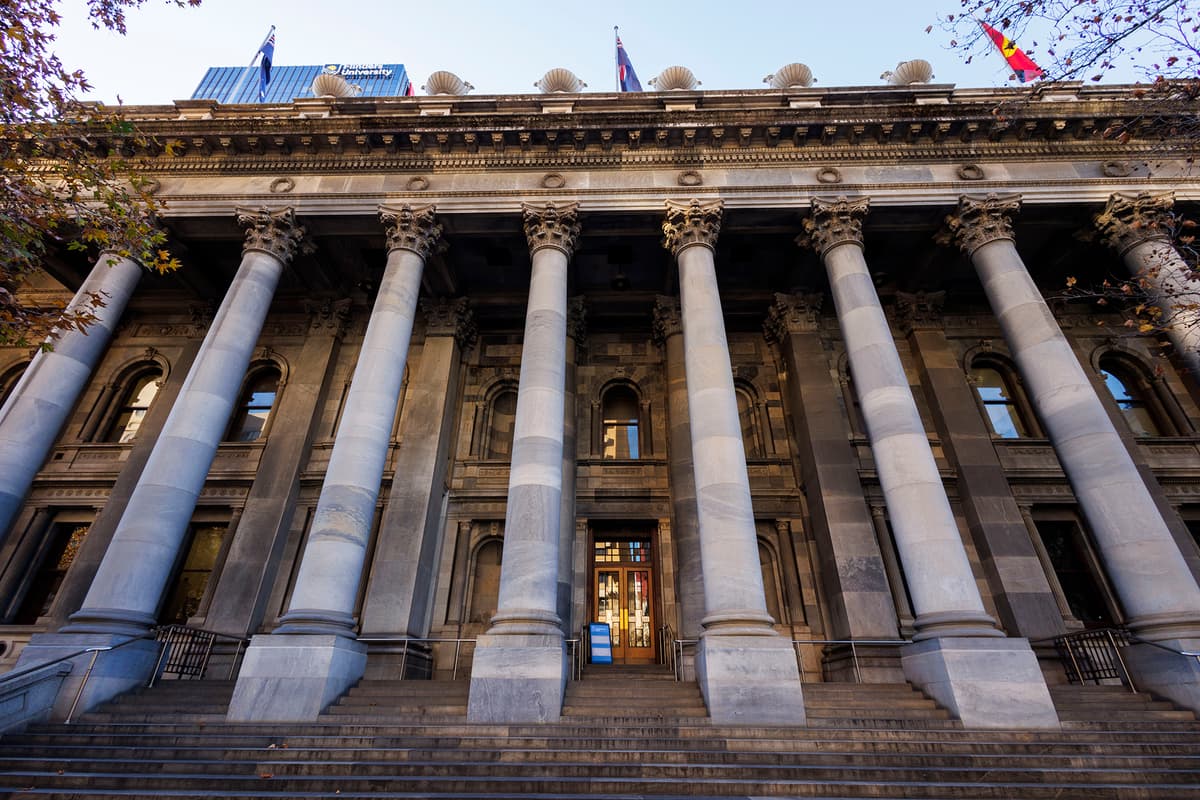
Photo: AAP Image/Matt Turner


South Australia’s corruption watchdog has called for stronger protections for whistleblowers after a 10-month investigation found those who speak out in the public interest need greater support.
The state’s Independent Commission Against Corruption (ICAC) made 61 recommendations in its final report, including the creation of a new independent whistleblower support authority to provide information and guidance.
“I see the huge impact that whistleblowers make every day in exposing corruption, misconduct and maladministration,” ICAC Commissioner Emma Townsend said.
“While the current regime provides important protections, this review shows there is scope to strengthen support for those who speak up.”
The recommendations were welcomed by the Human Rights Law Centre (HRLC), which urged the Malinauskas government to act swiftly on the reforms.
“Whistleblowers are vital in our democracy, ensuring transparency and holding public institutions to account,” said Anneliese Cooper, lawyer at the Human Rights Law Centre’s Whistleblower Project.
“The evidence shows that whistleblower protections are limited, complex and difficult for people to navigate.”
Ms Cooper said the HRLC had seen the personal toll first-hand.
“Most whistleblower cases do not make the headlines, but in our client work, we see the immense personal cost that whistleblowers pay for speaking out,” she added.
The Australia Institute also backed the proposal, pointing to strong public support for whistleblower protections.
“Blowing the whistle often comes at great personal cost – to work and earnings, relationships and even health,” said Bill Browne, director of the Australia Institute’s Democracy & Accountability Program.
“Australia Institute polling research finds the overwhelming majority of Australians (84 per cent) would support the introduction of a federal Whistleblower Protection Authority, and I see no reason why it would be different at the state level,” he said.
The Australian Treasury is currently reviewing the private sector whistleblower protection regime, which was reformed in 2019.
Beyond the proposal for a whistleblower protection authority, the commission recommended a range of measures to expand and strengthen existing safeguards.
It called for protections to be expanded to a broader range of people, including former public servants, volunteers, and grant recipients, while also seeking stronger safeguards for children and young people in state care, prisons, and detention.
The commission also proposed simplifying whistleblower laws, providing counselling services and establishing pilot programs to provide legal assistance, with the report describing the current framework as ‘nuanced and complex’.
“Being a whistleblower can be an intimidating and isolating experience,” Commissioner Townsend said.
“We heard overwhelmingly that whistleblowers need easier access to advice, information and support throughout the reporting process, and a dedicated service can achieve this.”
She said agencies shouldn’t wait for legislative reform before improving their own practices, noting laws alone ‘are not enough’.
“A ‘speak-up’ reporting culture, accessible advice and agency safeguards are essential to an effective whistleblower framework,” she said.
The commission noted that its broader Whistleblower Project remains underway, including separate evaluations of South Australia Police and the Department of Human Services.
Advertisement


