The Coalition and Labor will most likely be in lockstep on the latest defence changes, a bill that sailed through the last House sitting while attention was mostly on estimates. It changes 14 different acts of legislation, while giving public servants ministerial powers to override state, territory and, in some cases, federal, laws if an area has been declared necessary for “defence capabilities”.

Thu 12 Nov 2026 09.08 AEDT
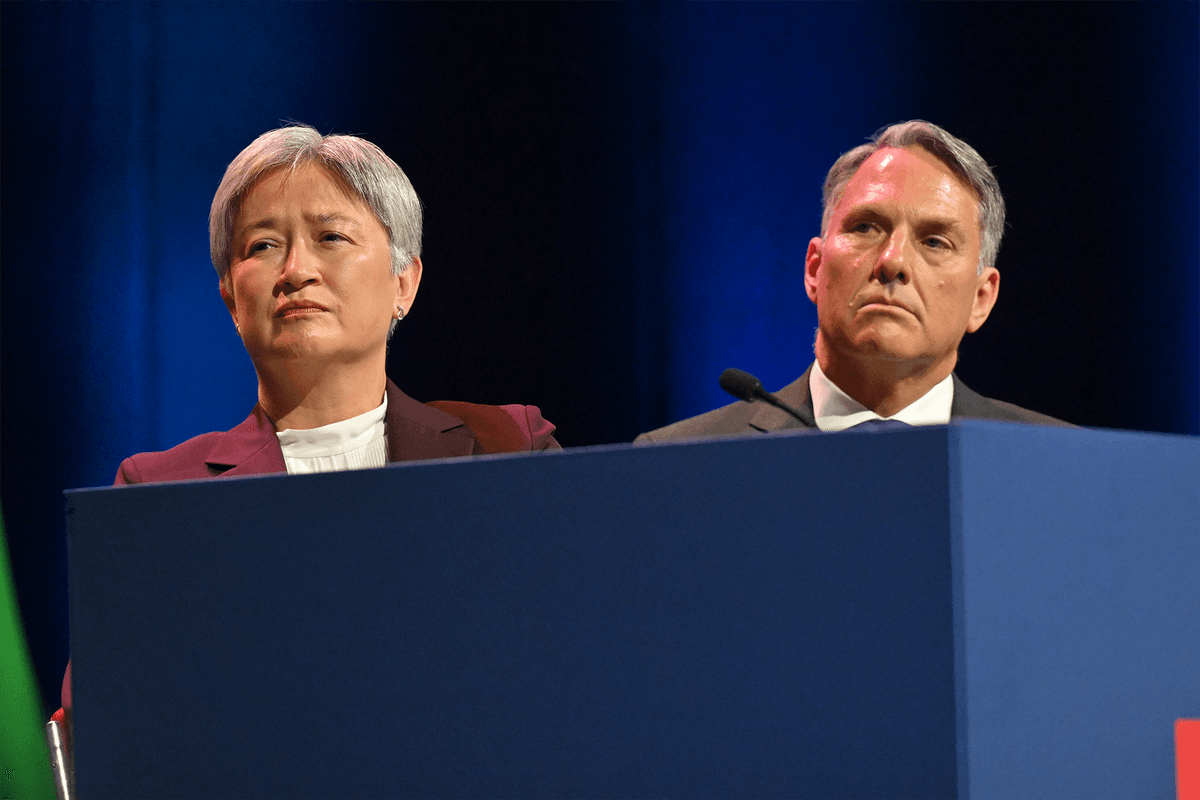
The bill, which quietly passed Parliament, makes sweeping changes to legislation across Australia. Photo: AAP Image/Mick Tsikas


Peter Dutton is someone who “politicises everything”. He is “loose”. He “darkened his own brand” and chose to “punch down on vulnerable people”. He “played political games” with national security. He was someone who engaged in “casual falsehoods” with international relations and “gaslit” the Australian public.
So of course it makes total sense that the same people who levelled all those criticisms at Dutton would also reward him with a plum position on the Australian War Memorial Council.
Quality research, analysis, explainers and factchecks from experts you can trust.
Politics is mostly about compliance above competency, and playing the game matters more than public integrity. After all, it’s all nudge-nudge, wink-wink when you’re in the club, right?
To most members of the club, announcing Dutton as the latest board appointment (or Sussan Ley, for that matter) is considered a flash in the pan. They’ll weather the criticism, which they’ll assume comes from the usual suspects, and also assume that most voters won’t notice or care, and then the cycle will move on.
What they never take into account is the cost to public trust. That every political appointment, usually of someone rejected by the Australian people, undermines what little faith people still have that their politics can be different.
It shouldn’t have to take collapse and repudiation to bring politicians back to the reasons they purport to have wanted to get into politics in the first place.
But that seems to be what Labor is racing towards. And it is not just appointments that undermine this trust, but the hand-in-hand attack on civil liberties, like protest, and the ever-expanding security and defence state apparatus that continues to grow with almost no checks or balances by the parliament.
The Coalition and Labor will most likely be in lockstep on the latest defence changes, a bill that sailed through the last House sitting while attention was mostly on estimates. It changes 14 different acts of legislation, while giving public servants ministerial powers to override state, territory and, in some cases, federal, laws if an area has been declared necessary for “defence capabilities”.
What laws? We don’t know. That’s not in the bill. But if the minister of the time thinks an area needs to be designated as a defence zone, then the bill allows for public and private-owned assets, the land, sea and sky around it, to become no-go areas.
And another fun fact – you can’t appeal a decision. It sits above the law. So, no doubt, this will end up in the High Court at some point, when civil rights and policy experts get a chance to actually examine the legislation.
Canberra Times journalist Dave Allen is among those who reported on the bill early, while Rita Jabri Markwell, a lawyer, policy analyst and human rights scholar, has updated on the bill’s capabilities on her Substack. Sydney Criminal Lawyers, one of the best outlets to follow for the decay of civil liberties, has also alerted on the legislation.
Mostly, though, the bill is being treated like most of Australia’s national security and defence laws – a fait accompli that both major parties support, and barely worth mentioning more widely.
Never mind that the legislation allows defence personnel, private defence contractors and arms and tech manufacturers from other countries to be given some of the same authorities previously reserved for Australian Defence Force personnel and public servants. Never mind that designated public servants within defence would be given the powers to override state and territory laws if the ADF wants.
Never mind that we are about to create federal militarised zones because our government appears to be preparing for war – and no one is really being told about it, or why they believe it necessary (could it be because Australia is handing over sovereignty to the US with AUKUS, including through establishing more American military bases on our shores, which is what makes us more of a target in the first place?!).
The explanatory memorandum says the bill is to update Australia’s strategic responses for a new era, and to protect against drone attacks. That’s on the minds of all Western powers after Iran showed it did not need multibillion-dollar aircraft carriers or navies to defend its territory – it managed it mostly through drones and AI Lego videos on social media.
The legislation changes will allow defence officials, ratified by the minister (a tick and flick exercise, at best), to declare special security zones, even temporarily, where unauthorised entry or presence (so, protest) – among other unauthorised and restricted activities – could land you in jail and/or heavily fined.
Police will be given powers to patrol these special zones, along with defence and defence security officials, who will be given special enforcement gear by Defence for the purposes of their patrol.
Citizens can be searched, detained, compelled to show ID, subjected to use of force, including with dogs, and have items, including vehicles, boats or planes, seized.
It’s a bill the “Temu Trump” himself would have been proud to have under his authority.
So, of course, there will be no conservatives jumping up and down about property rights. No questions of overreach. Just another knock to Australians’ civil liberties that most won’t even know about. It should be more of a scandal that we are sold so cheaply.
Amy Remeikis is a contributing editor for The New Daily and chief political analyst for The Australia Institute
This piece was first published in The New Daily. Read the original piece here

