Australia’s largest super fund answered just 1 in 10 calls during an independent mystery shopper study that found none of Australia’s major funds are delivering an acceptable standard of customer service.
The findings have prompted calls for mandatory customer service standards after Super Consumers Australia assessed 1,000 calls to 20 major funds and found none met the benchmark for good customer service.
“Superannuation is mandatory, but good customer service is not,” said Super Consumers Australia CEO Xavier O’Halloran.
“That has to change.”
“This pilot study shows that, right now, getting the right support can depend on who answers the phone.”
Remarkably, two funds answered so few calls that their customer service could not be assessed reliably, excluding them from the overall rankings.
Australia’s largest fund, AustralianSuper, answered just one in 10 calls, while only 52 per cent of calls to Team Super connected within 15 minutes, with the study concluding that the overall wait times ‘reflect a systemic issue’.
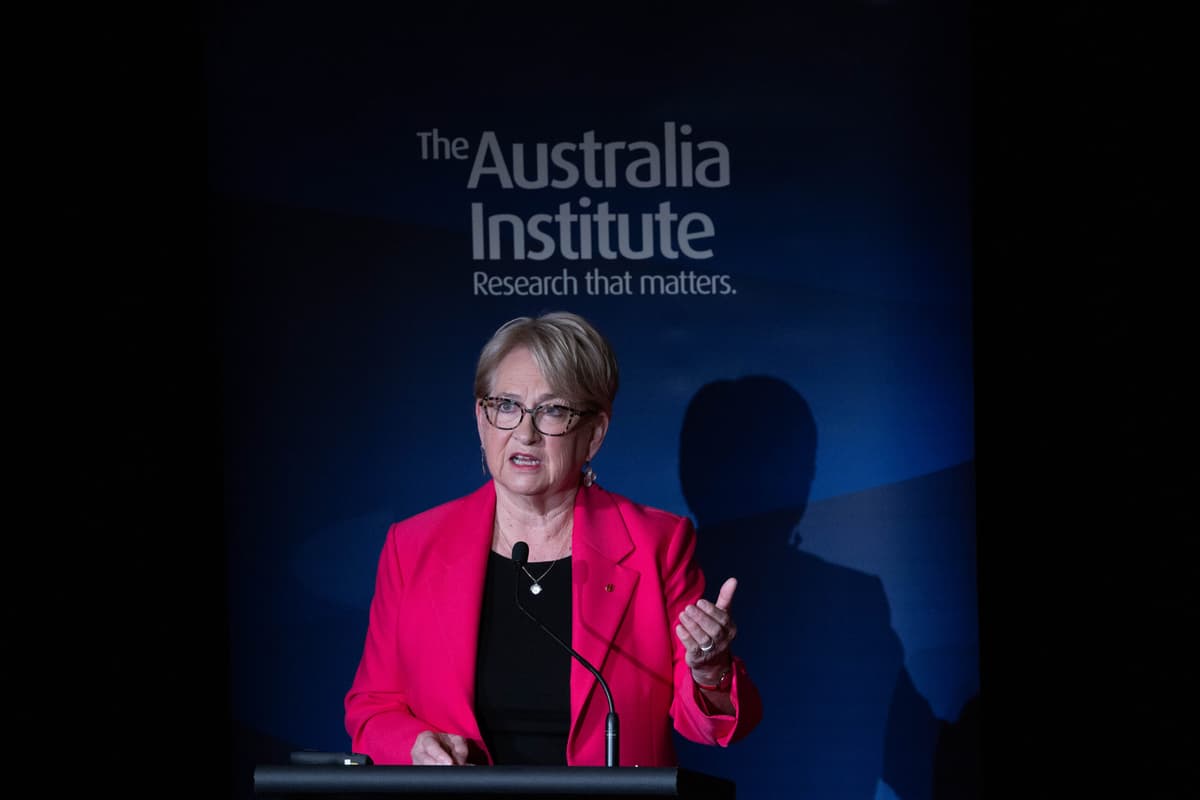
“This is outrageous,” said Dr Richard Denniss, co-CEO at the Australia Institute.
“It’s called compulsory super for a reason. If you force people to buy a product, then the government has an extra obligation to regulate the providers.”
Most funds answered the majority of their calls quickly (87 per cent), however the quality of service was described as a ‘lottery’, with individual call scores ranging from 20 per cent to 86 per cent.
The report also raised concerns that agents “consistently passed off responsibility” and often left customers without the information or support they were seeking, with almost a quarter (23%) of prospective customers directed to search online.
It found the superannuation sector recorded lower customer experience scores than banking, utilities, education and local government, suggesting the problems extend well beyond individual funds.
Agents were also found to routinely show a lack of care and empathy.
More concerningly, four mystery shoppers were laughed at or scoffed at during their distress; a reaction the report noted as disturbing.
“People don’t just need a healthy super balance to have a dignified retirement,” said Mr O’Halloran.
“They need to know their fund will pick up the phone when they’re grieving, need to access their money or ask a simple question, and actually help them.”
The report noted that “over the last few years, it has become clear that help is not always available, service is inconsistent, and funds often fail to meet customers’ basic needs.”
The findings are supported by a report from the Australian Securities and Investment Commission (ASIC) examining how superannuation funds handle death benefit claims.
It found that systemic failures that “exposed grieving Australians to additional emotional and financial distress” through excessive delays and poor service, ineffective and insensitive communication and engagement, and inadequate support for First Nations claimants.
Mr O’Halloran said the most recent mystery shopper study highlighted the need for mandatory customer service standards, along with public reporting, independent benchmarking and better call centre training.
“People should not have to beg their super fund for basic help,” he said.
“If your fund is not listening, complain. If poor service keeps happening, consider taking your money elsewhere.”
Dr Denniss said compulsory superannuation placed a greater responsibility on governments to ensure funds delivered acceptable service.
“If I don’t like my car insurance company, I can choose not to insure my car with that provider,” he said.
“But no matter how bad a super fund is, I have to keep giving them thousands of dollars in fees every year.”
With 800,000 Australians due to retire in the next five years, the report warned the that problems will only grow as more people require access to their superannuation.
“Without an overhaul of customer service, funds will not be equipped to manage rising call volumes, more complex member needs and growing demand for retirement support,” it stated.
“The only way to prevent this from happening is for the Government to introduce meaningful mandatory customer service standards, and it cannot come soon enough.”