Universities will now face tougher governance and transparency requirements under new federal standards, including public disclosure of board decisions, executive pay and consultancy spending.
The changes follow mounting scrutiny of university governance after a series of controversies involving conflicts of interest, transparency and decision-making.
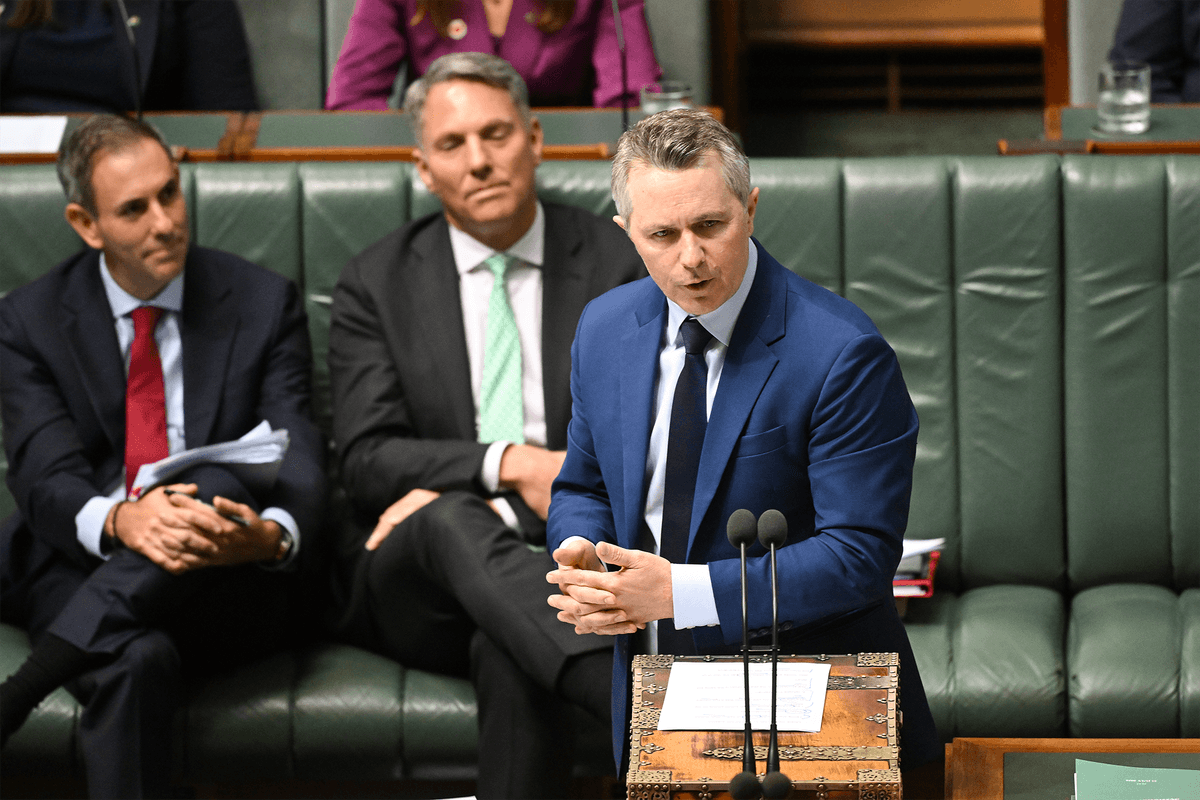
“Anyone who doesn’t think there have been some challenges in university governance has been living under a rock,” said Education Minister Jason Clare.
“This is about making sure our universities meet the standards their students, staff and whole communities expect.”
The governance reforms, first announced in October 2025, will require universities to publish the outcomes of governing body meetings and decisions, the amount and purpose of consultancy spending, external roles held by vice-chancellors and senior executives, and annual remuneration reports detailing vice-chancellor pay.
The requirements will apply to most public universities from January 1, 2027, and to other higher education providers from July 1, 2027.
“For too long, universities have been the worst of the public and private sectors: weighed down by bureaucratic inertia, yet somehow unaccountable to the public,” said Dr Morgan Harrington, research manager at the Australia Institute.
“These basic transparency measures are a great start towards the root-and-branch reform needed to improve governance at Australia’s universities.”
The National Tertiary Education Union (NTEU) said the governance standards represented a “substantial win” in the campaign to reform Australia’s public universities.
“Thousands of university staff have spent years raising the alarm about a governance culture that allowed vice-chancellors and governing bodies to operate with almost no scrutiny,” said NTEU National President Dr Alison Barnes.
“University governance is broken. Consultancy spending is out of control. Executive pay exploded while universities aggressively casualised.
“These principles should send an unequivocal message to university executives to end these toxic approaches to running our public institutions.”
Universities have long faced pressure to improve transparency around accountability following a string of controversies, including:
Dr Harrington said the South Australian university merger “epitomised” the lack of transparency and democratic accountability within governing bodies.
“In 2023, the University of Adelaide and the University of South Australia announced that they would merge.
“But they wouldn’t release the business case behind their decision to the public, not even to a South Australian parliamentary inquiry.
“These changes mean that universities won’t be able to do that kind of thing anymore; they will be required to publish the outcomes of their meetings and explain to staff, students and the public the reasons for the decisions they make.”
The Australia Institute has previously argued the decades-long push to make Australian universities more “business-like” has had “scandalous consequences”, calling for greater transparency, public accountability and democratic governance.
“Universities are public institutions entrusted with educating the public and conducting research in the public interest,” said Dr Harrington.
“A huge part of their funding comes from taxpayers, and the least the public should expect is to know what decisions university management makes, and why.
“We expect nothing less from other public institutions, and universities shouldn’t be any different.”
Dr Harrington said greater transparency around executive remuneration was also long overdue.
“Perhaps the Minister wouldn’t have been compelled to force universities to tell the public how much they pay their senior executives if pay inequality wasn’t such a big problem,” said Dr Harrington.
“Wage theft has become so common in the sector that new cases hardly raise an eyebrow anymore.
“Yet, meanwhile, Vice-Chancellors are paid more than seven times as much as lecturers and teachers.”
A new anti-racism standard, taking effect on January 1, 2027, will require all higher education providers to implement transparent complaints processes and give students and staff clear guidance on preventing and responding to racism and enhancing safety and security on campus and online.
Universities will also be required to adopt definitions of antisemitism, Islamophobia and racism towards Aboriginal and Torres Strait Islander peoples.
Universities Australia chief executive Luke Sheehy said the reforms marked “an important step in strengthening Australia’s higher education sector” and the sector had worked constructively with the government to develop both standards.
“There is no place for racism, discrimination or hate in Australia’s universities,” he said.
Mr Sheehy said Universities Australia also support the new governance standard, adding that strong governance, accountability and transparency were fundamental to maintaining public trust and delivering world-class education and research.
Dr Barnes said the real test would be whether the reforms were properly implemented.
“Standards on paper mean nothing if nobody enforces them,” she said.