

Three major climate cases are converging on the Commonwealth this fortnight. Its legal exposure will only grow
As climate impacts escalate, so will the government's liability — until politicians address the harm they’re causing.
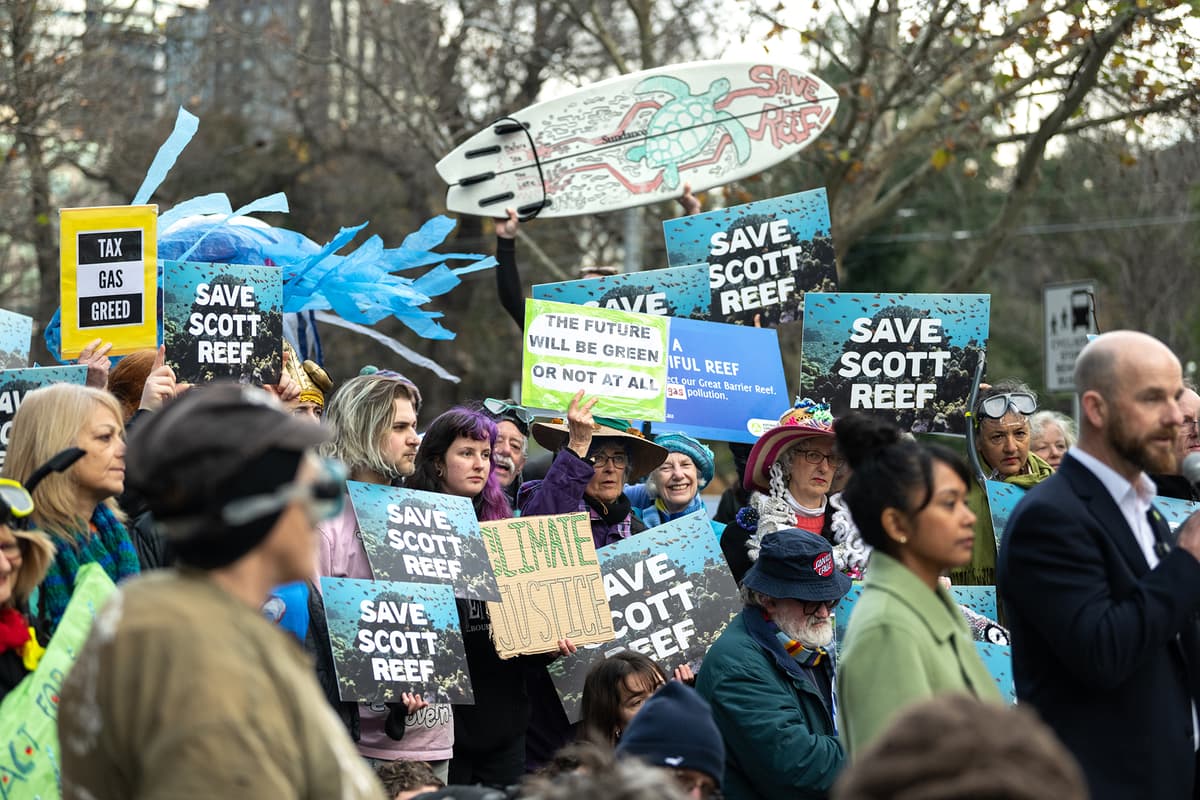
The renewed political debate over nuclear energy is a 'fake fight' aimed at distracting Australians from the continued expansion of gas and coal projects, according to Australia Institute co-CEO Dr Richard Denniss.
Tue 28 Jul 2026 12.07 AEST
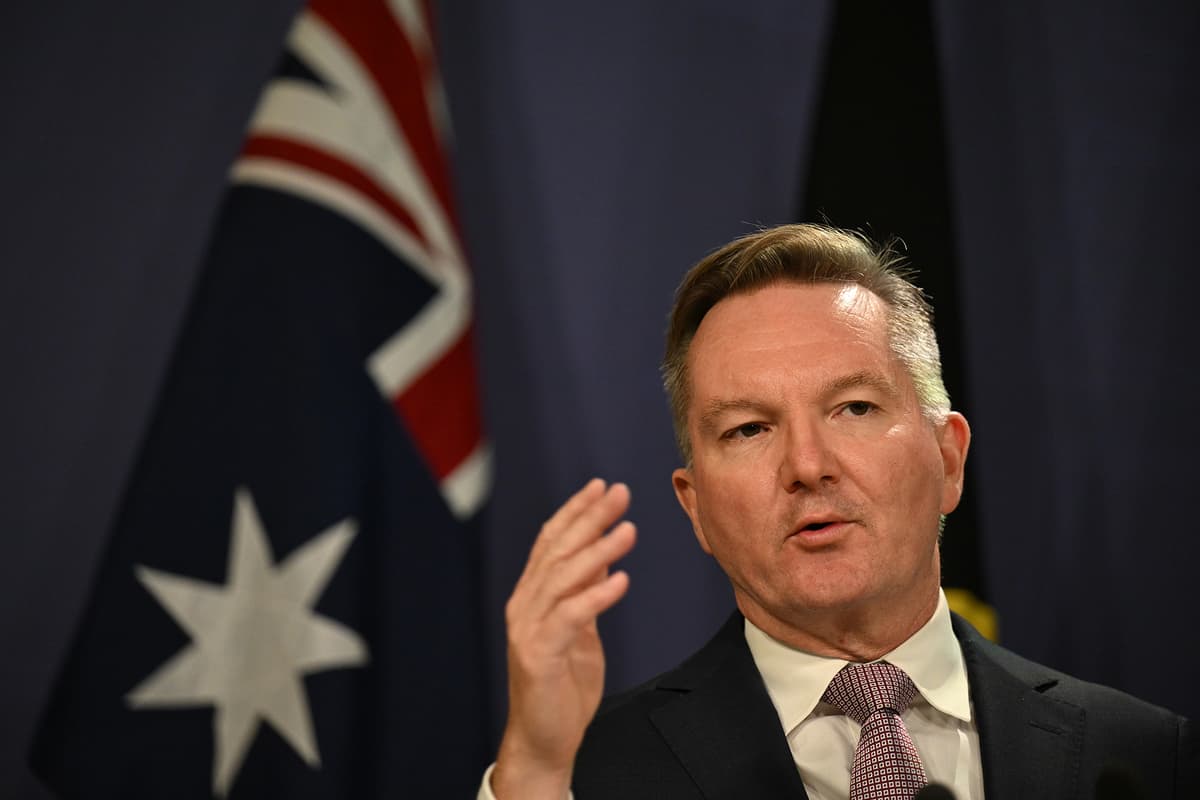
Photo: AAP Image/Dean Lewins
The renewed political debate over nuclear energy is a ‘fake fight’ aimed at distracting Australians from the continued expansion of gas and coal projects, according to Australia Institute co-CEO Dr Richard Denniss.
Speaking on his podcast What’s the Point, Dr Denniss argued that nuclear is a “favourite bipartisan distraction” to avoid conversations about decarbonising the Australian economy.
“This red herring of nuclear energy is a simple political strategy,” he said.
“Nuclear energy is a way for climate sceptics in the National Party and in One Nation to pretend that they care about decarbonising while putting forward a technology option and a set of policies that are expensive and never going to work.”
The Nationals advocate nuclear power as part of Australia’s energy mix to “stop Labor’s reckless renewables race to net zero”.
Pauline Hanson’s One Nation also “embraces” the technology, claiming it’s “central to Australia’s energy sovereignty and national security”.
However, Dr Denniss argued their support was less about energy policy than politics, pointing out it made little economic sense for Australia to build nuclear reactors from scratch when renewable energy backed by batteries was already cheaper.
“The right strategy isn’t to get nuclear built”, he said.
“They want to suggest that it’s the Labor Party or the Greens that is being unreasonable.”
He also argued Labor benefited from engaging in the nuclear debate.
“While the Coalition wants to waste people’s time talking about nuclear, there are plenty of people in Labor who are happy to spend time talking about how crazy the Coalition is for supporting nuclear because that distracts voters from the fact that Labor is still opening new coal mines and gas projects,” he said.
“If the bar is better than the Coalition, then Labor’s very happy to be better than the Coalition on nuclear,” he said.
According to the Climate Council, the Albanese Government has given the green light to 36 new, expanded or extended coal, oil and gas developments since coming to power in 2022.
However, Dr Denniss argued climate policy should be dictated by scientific evidence, rather than whether nuclear energy is “good or bad”.
“If the Coalition is setting the terms of the debate about climate and that debate is about whether nuclear is good or bad, Labor will look great,” he said.
“But we’ll be ignoring what the science says we need to do.”
“There is no scenario where we tackle climate change while burning more coal, oil and gas.”
Dr Denniss said the ‘fight’ had shifted attention from other political debates, including a proposed 25 per cent gas export levy championed by the Australia Institute.
Anthony Albanese ruled out the levy ahead of the May budget, despite strong public backing and growing support from across the political spectrum.
Independent Senator David Pocock accused the Labor Government of “caving in” to the gas industry after the PM argued a gas export tax would come at the “worst possible time” and could jeopardise key trading partnerships.
Dr Denniss said redirecting attention was a common strategy for industries under pressure,
“What do smart people who know they can’t win a fight do? They pick other fights,” he said.
“Getting major political parties and the media talking about nuclear is a great way to stop them talking about why we should just stop giving away $350 million worth of gas every week.”
He urged voters to “see the game” playing out in the media and in the halls of parliament.
“These are smart people deliberately doing things that they think help their political party achieve their objectives,” he said.
“Now that the curtain has been lifted, now that people can see into their con, their trick is getting harder and harder to pull.”
What’s the Point? with Richard Denniss explains the political and economic decisions shaping the lives of everyday Australians lives, answering key questions along the way. By getting straight to the point, Richard helps listeners understand how democracy works and why it matters.
Advertisement
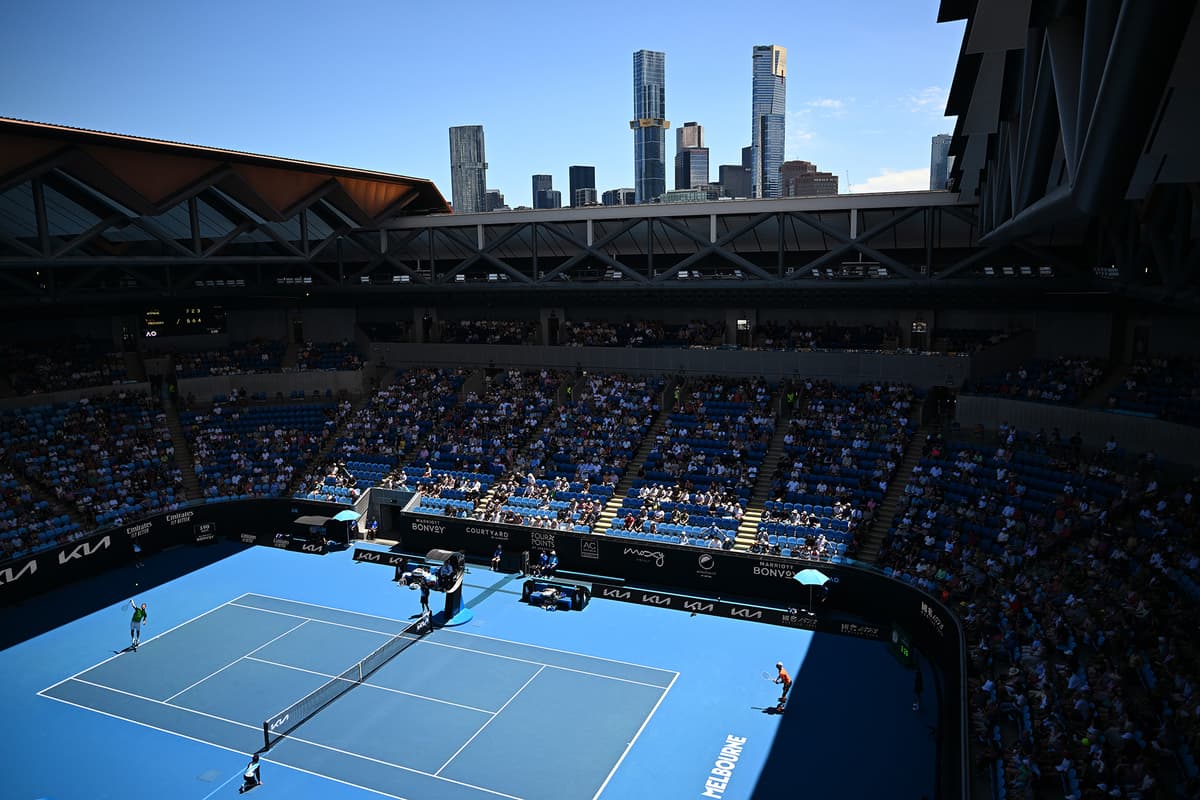
For the people making sport’s big decisions, athlete safety is the immediate climate concern. But the longer-term play, and greater legacy, is to protect sport itself.
As climate impacts escalate, so will the government's liability — until politicians address the harm they’re causing.


