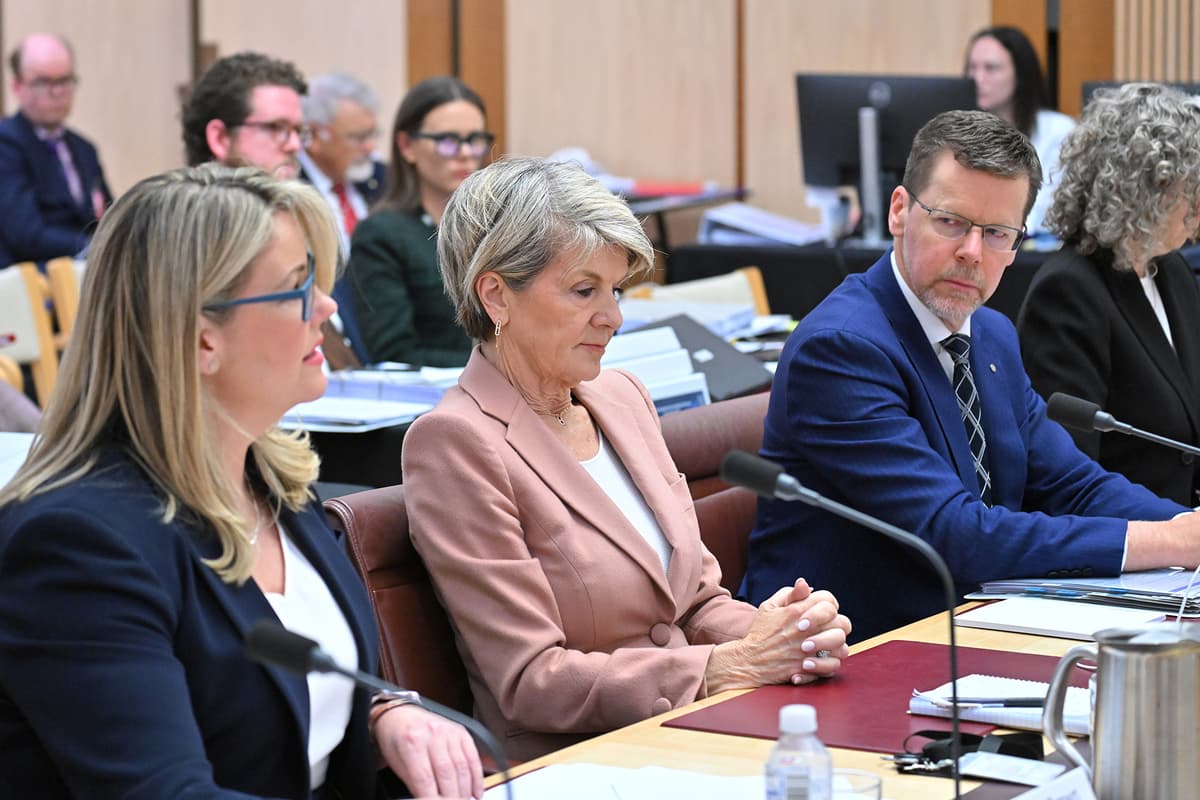
The university, too, put statements into the public domain that parroted Bishop’s version of events.
“Publications were made about Dr. Allen that were false and unjustified. These publications should not have occurred, and the university unreservedly apologises for the university’s part in these events, for the maladministration of several processes, and for its indefensible treatment of her,” the apology reads.
Contacted yesterday, Bishop said Thom had “found that there was no disclosable conduct on my part under the Public Interest Disclosure Act”.
She also noted that a document detailing her version of events was handed to the Senate education committee last year but is subject to a suppression order and cannot be made public.
Emeritus Professor Robyn Carroll from the University of Western Australia, who specialises in public apologies, said it was a “mea culpa” by the university.
“This apology is not coming from Julie Bishop or the non-elected council members. It’s not coming from the people who did the wrong thing,” Carroll said.
“This is the next best thing. There’s no question in my mind that the people who are charged with running ANU now are really sorry. But a good apology is entirely dependent on what the recipient needs to hear. The only thing that matters is how Liz Allen views this apology.”
A calamitous $250 million cost-cutting program approved by the council in 2024 caused widespread dysfunction and distress within the university. At least four major reports, including the Thom review, have examined what went wrong in the university’s leadership and governance.
But change is on the horizon.
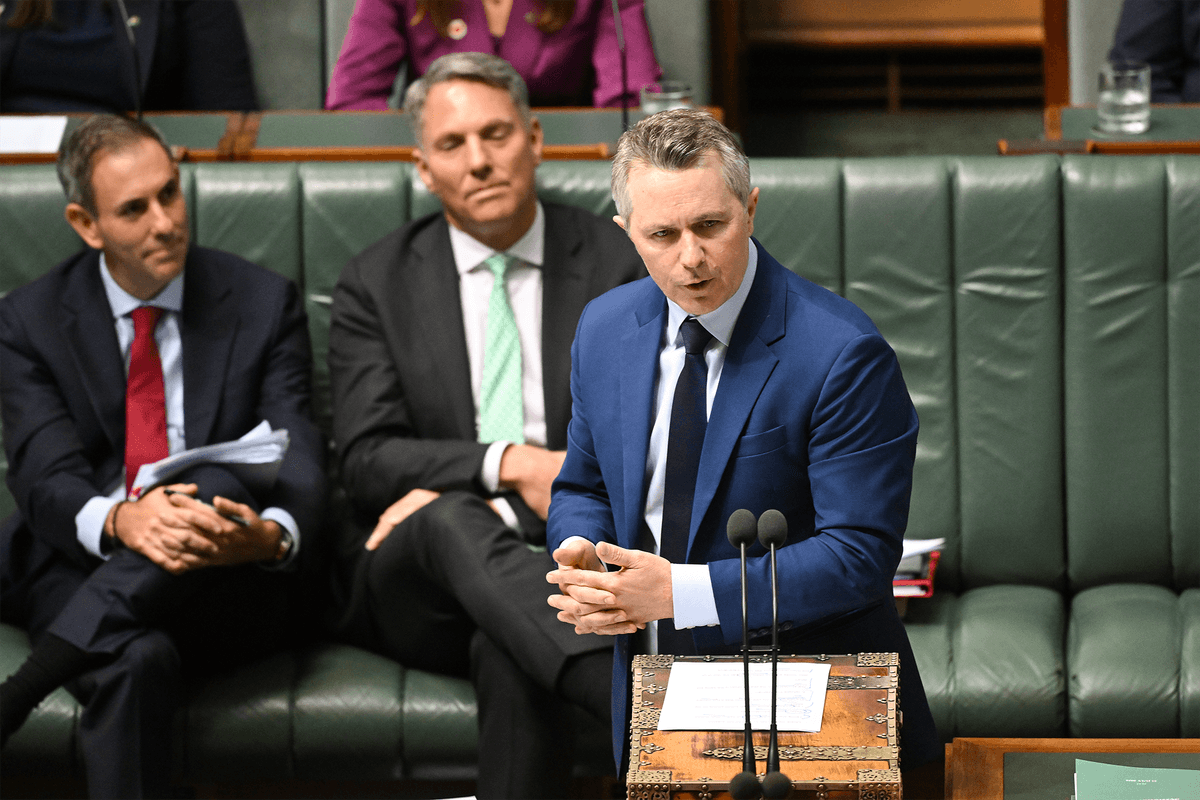
Bishop’s successor as chancellor, Gordon de Brouwer, stepped into the role last week and education minister Jason Clare released a discussion paper to inform changes to ANU’s legislation in an attempt to prevent anything similar happening in the future.
“Ethics matter. And decency. There’s no high-handedness in saying that. It actually just makes everything so much easier,” de Brouwer told The Point.
That is the polar opposite of the university council Allen sat on.
“The culture that developed [was] one of fear, one of intimidation, and one of carefully orchestrated cinema to make it appear what’s happening is legitimate, when, in actual fact, it’s not,” Allen told the Senate.
Julie Hare is an honorary senior fellow at the Melbourne Centre for the Study of Higher Education at The University of Melbourne.
She is a former education editor at The Australian Financial Review, and has over 20 years’ experience as a writer, journalist and editor, including as the higher education editor of The Australian.
You can subscribe to Julie Hare’s substack, The Hare Report, here.