The Albanese government is being urged to axe Youth Allowance and create a single income support payment rate for all working-age Australians.
The call comes amid warnings that people born in the 1990s are at risk of becoming the first generation in modern Australia to be worse off than their parents.
Anglicare Australia has released a new report that shows younger generations are earning less, owning less, carrying more debt and being locked out of secure housing.
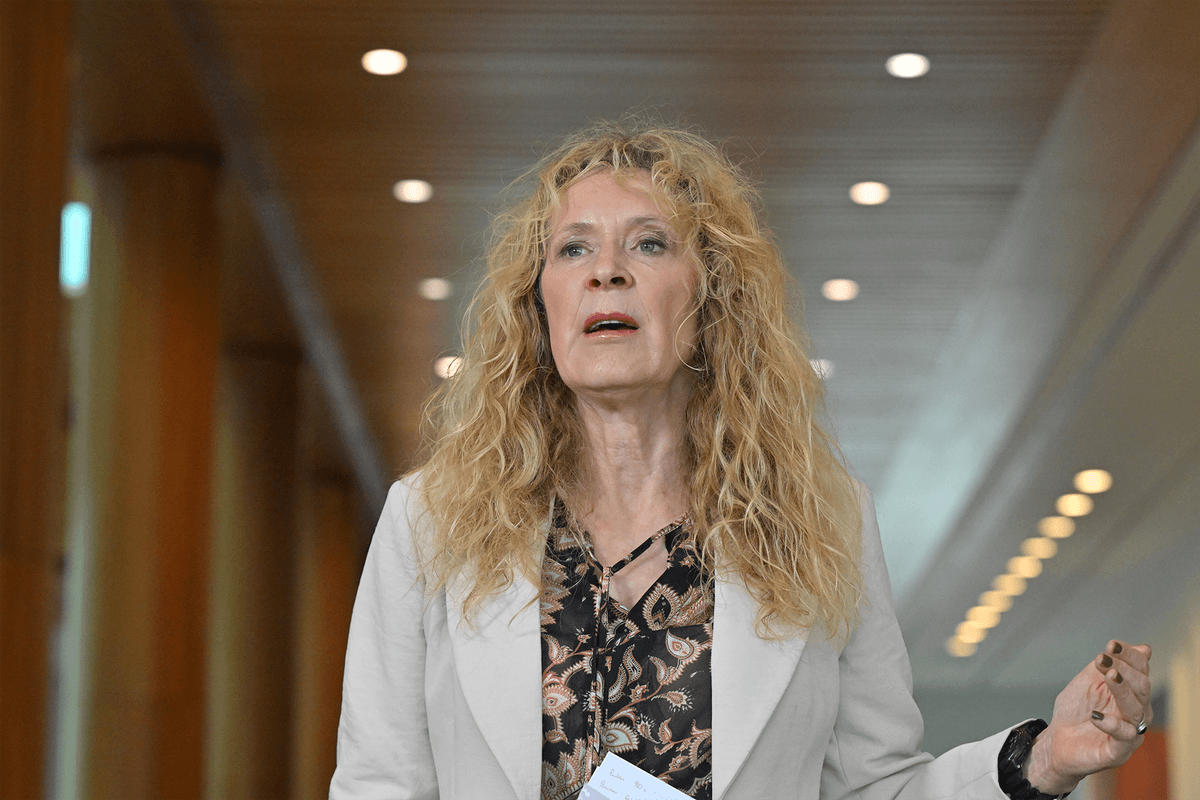
“Poverty should not be a rite of passage,” said Anglicare Australia Executive Director Kasy Chambers.
“For generations, Australians could expect that if they worked hard, they would become more secure over time. That promise is no longer holding for young people.”
The welfare advocacy group said younger Australians were being forced to cut spending on both essential and discretionary items, while older Australians increased spending across the board.
Ms Chambers said one of the clearest places to start was reforming Youth Allowance.
“We have a social security system that literally says a young person needs less money to live on simply because of their age,” she said.
“Our findings show they can’t afford rent on Youth Allowance anywhere in the country.”
Youth Allowance is the main form of financial assistance for young people under 25 who are studying or looking for work but it’s also the lowest working-age Centrelink payment.
At less than $24,000 per year, including Rent Assistance, it sits well below the poverty line and is substantially less than JobSeeker and the Age Pension.
Anglicare’s 2026 Rental Affordability Snapshot surveyed 48,776 rental listings across the country and found none were affordable for a single person on Youth Allowance.
Get our newsletter
Quality research, analysis, explainers and factchecks from experts you can trust.
“Rent isn’t cheaper when you’re 23. Groceries aren’t cheaper. Electricity isn’t cheaper. Yet young people are expected to survive on the lowest payment in the system,” said Ms Chambers.
Anglicare’s report also found that home ownership among 25–34-year-olds had fallen below 40 per cent, returning to levels last seen in the 1940s.
The not-for-profit organisation said Australia’s economic systems were compounding inequality with tax settings re-enforcing advantages for older and wealthier households.
In 2003-04, Australians aged 65 and over held just under a quarter of household wealth.
By 2019-20, that share had grown to over a third – an increase of more than 11 percentage points.
“The Government has taken an important step by reforming property tax breaks that have favoured accumulated wealth over work. Now we need to build on that progress,” said Ms Chambers.
Anglicare said the impacts extended well beyond the Centrelink system, contributing to reduced participation in education and poorer health and wellbeing outcomes.
Financial, housing and food insecurities are driving sustained pressure on young people that is contributing to higher rates of depression, anxiety disorders and suicidal ideation.
The report cites data from the Australian Bureau of Statistics, which shows 18–34-year-olds are more than twice as likely as people over 65 to report high or very high levels of psychological distress.
“Young Australians are doing everything we ask of them. They are studying, working and contributing,” Ms Chambers said.
“The economic foundations underneath them have shifted.”