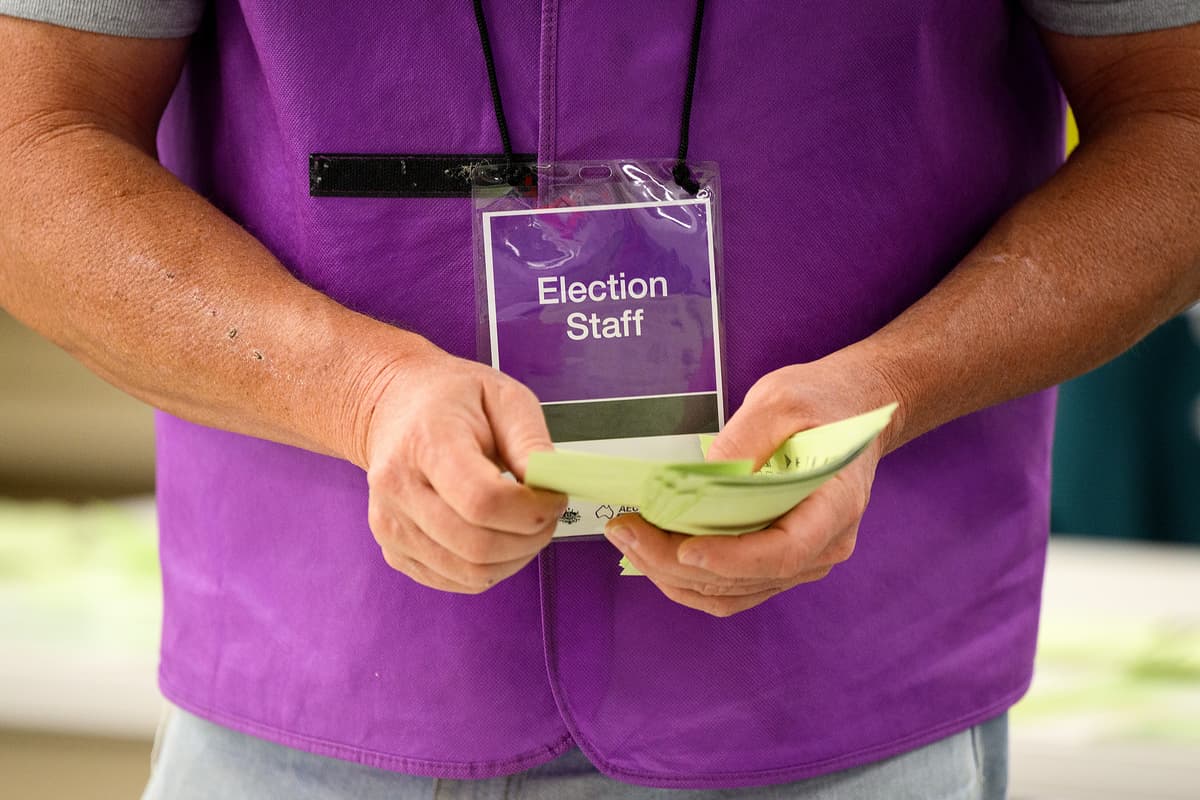
The Australian Electoral Commission (AEC) has been urged to rethink plans that could shut or merge about one third of its divisional offices, with a union warning the loss of local expertise could disrupt future elections.
Of the AEC’s 56 divisional offices, about 20 have been flagged for possible closures or consolidation.
The commission has proposed closing its branches in Albury and Wagga Wagga in NSW, and Wangaratta and Shepparton in Victoria, and moving them to a border super hub at Wodonga.
“Closing the Wangaratta AEC office and moving it to Wodonga not only undermines a healthy democracy, but it also puts regional jobs and secure work in the community at risk,” said Sam McCrone, team lead at the Community and Public Sector Union (CPSU).
State Member for Northern Victoria Wendy Lovell also criticised the decision, telling Shepparton News: “It matters particularly in a community like Shepparton with many new citizens and longtime voters who benefit from AEC assistance with understanding their rights and responsibilities.”
However, the AEC said the way voters access its services has changed and in the case of the Albury and Wagga Wagga offices, “there was an average of 1 visitor per week to these offices between the months of March to May 2026”.
A spokesperson said the closures and merger reflect a “shift in how our services are accessed, with an increasing proportion of clients choosing to engage virtually through the AEC website, over the phone or via post, minimising the viability of our extensive property footprint.”
The commission has also proposed closing offices in Armidale, Grafton, Kempsey, Taree and moving them to another larger hub in Coffs Harbour.
The CPSU said that in this year alone, 11 electoral offices had shut or were slated for closure, which would bring the total number lost over the past 6 years to 43.
“These closures don’t just cut jobs; they strip regional communities of secure employment, local expertise and the public services that help keep them connected, represented and engaged in the democratic process,” said Rebecca Fawcett, CPSU National Secretary.
Ms Fawcett said the loss of highly skilled public sector workers would create new barriers for vulnerable electors, independent candidates and their communities.
“AEC employees bring deep, long-term local knowledge — not just of electorate boundaries and geography, but of the democratic process and the history of candidates and Members of Parliament,” she said.
“That expertise is built over years in the community and is critical to ensuring Australians can access accurate, trusted electoral information.”
In Queensland, offices in Bundaberg, Dalby, Ipswich and Mackay are slated for closure while South Australia stands to lose Murray Bridge.
Ms Fawcett argued the closures go against the Albanese government’s 2026-27 Regional Ministerial Budget Statement, which stated: “Investing in people is an investment in the future of regional communities and the nation’s long-term prosperity”.
The union is calling on the federal government to reconsider the closures.