A Hunter Valley community group has won a four-year legal fight over a major coal mine expansion, with the High Court ruling that NSW planning authorities must consider how burning exported coal overseas contributes to climate damage in Australia.
Climate advocates celebrated Wednesday’s landmark judgement, saying it would reshape how fossil fuel projects are approved across the country.
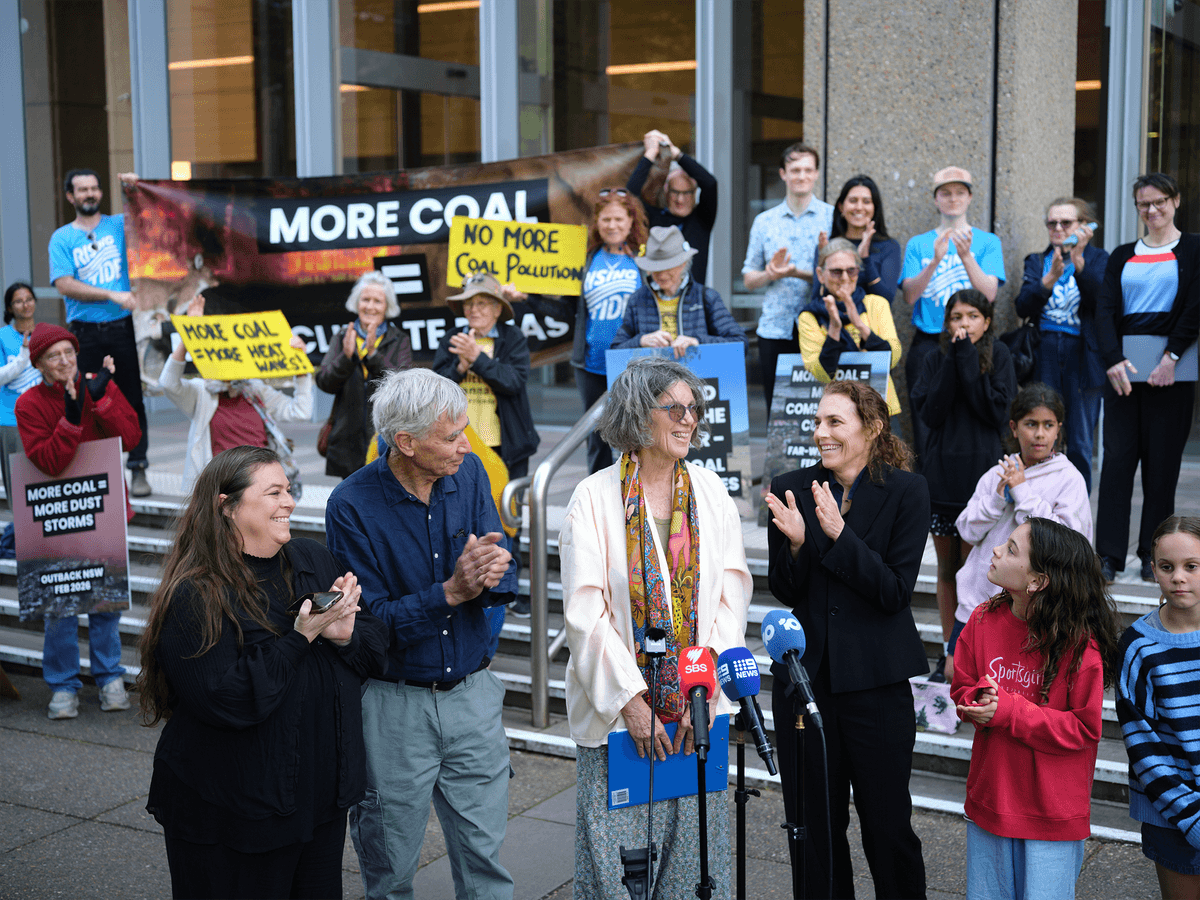
“Today the High Court has said what we have always known: we cannot dig up coal, ship it overseas, watch it drive climate change, and then pretend the consequences have nothing to do with us and won’t be felt by us,” said Wendy Wales, president of the Denman Aberdeen Muswellbrook Scone Healthy Environment Group (DAMS HEG).
“The droughts, the bushfires, the floods — are directly connected to greenhouse gases, and massive fossil fuel projects like Mt Pleasant Optimisation simply add fuel to the fire.”
Lock the Gate Alliance NSW coordinator Nic Clyde said the ruling would affect 17 coal projects currently in the state’s planning pipeline.
“The community needed a win like this,” he said. “It gives us a little bit of hope.”
“Today’s decision sends a strong message to the planning system: the price households and communities are paying for coal pollution must be weighed properly in the planning system,” he said.
“It’s no longer okay to ignore the climate cost of coal revenues.”
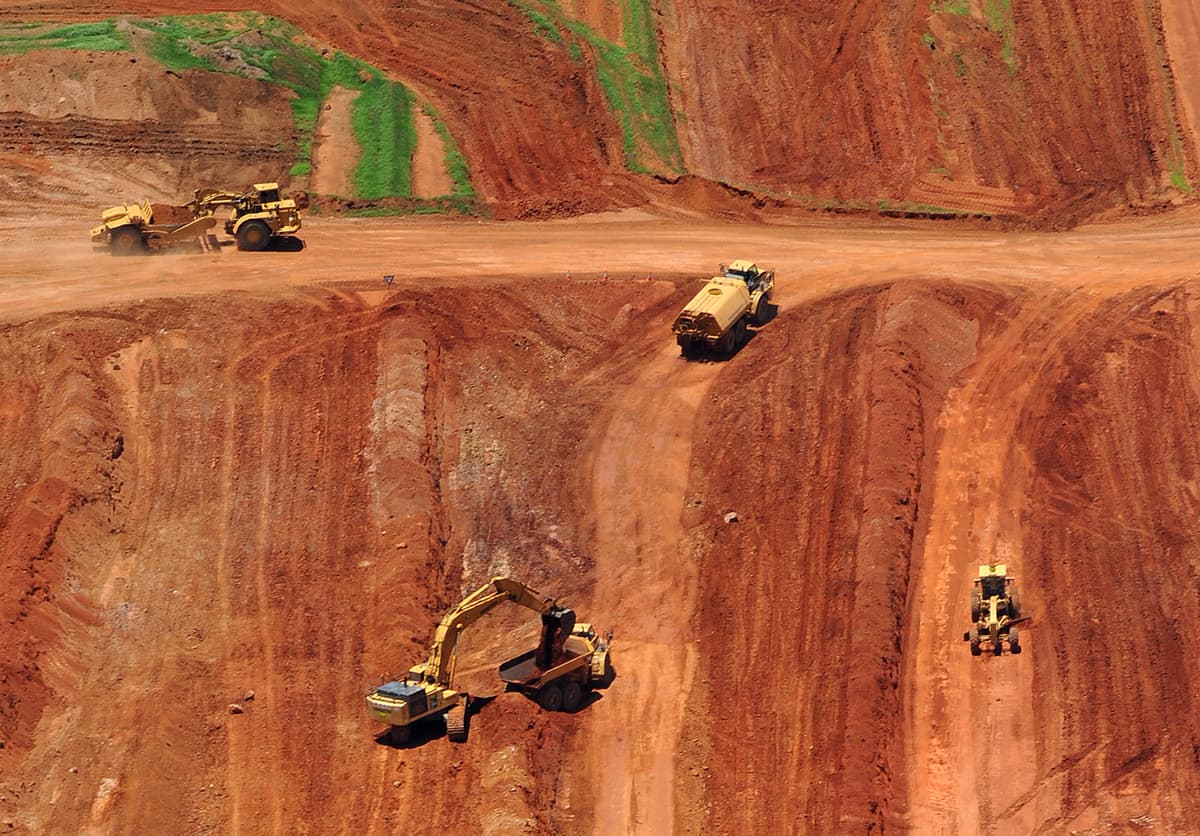
MACH Energy Australia has sought to double Mount Pleasant’s output to 21 million tonnes a year and extend operations until 2048.
The community group said the expansion would make it one of Australia’s largest export coal mines.
On Wednesday, the High Court upheld an earlier NSW Court of Appeal ruling that the expansion approval was invalid.
It deemed that the Independent Planning Commission was legally required to consider how the project’s contribution to global climate change would impact the Upper Hunter, including through more intense bushfires and prolonged drought.
“This is an historic ruling for Australian environmental law and for the communities who have been fighting for accountability in the fossil fuel approvals process,” said Anita O’Hart, principal solicitor at Johnson Legal, which represented DAMS HEG.
“The implications extend well beyond Mount Pleasant. This ruling will be applied by courts and planning authorities across Australia, and it will be studied internationally as one of the most significant domestic climate law decisions in the world.”
The community group had initially lost its challenge to the expansion’s approval in the NSW Land and Environment Court.
Get our newsletter
Quality research, analysis, explainers and factchecks from experts you can trust.
It then successfully appealed that decision, prompting Mach Energy to take the case to the High Court.
“It is fantastic to see the High Court saying what governments will not – climate change is serious and that needs to be reflected in planning decisions,” said Rod Campbell, Research Director at The Australia Institute.
“NSW approved this mine based on analysis that its planners knew was flawed and finally the High Court has called it out.
“The NSW Planning Department, in its own words, cares little for facts and data about coal mines, as we pointed out in our original submission on this mine.”
Asked about the case during a 2HD Newcastle radio interview in May, Prime Minister Anthony Albanese said he supported the project.
“I certainly hope that this legal challenge is not successful because this project has been through appropriate approvals,” he said.
Mr Clyde said governments needed to put communities and the environment first.
“NSW’s coal export industry is worsening the climate crisis and driving up the cost of living, yet our government has approved 14 coal projects since the last state election,” he said.
“Just last week, it approved an enormous, decades-long expansion of the HVO coal mine. The decision was outrageously out of step with what we need for a safe future.”
The planning commission recently approved plans that will allow Hunter Valley Operations (HVO) to continue operating its coal mine near Singleton until 2045.
International climate change lawyer Tessa Khan said Australia could no longer avoid responsibility for climate damage by shipping its coal overseas.
“Governments need to contend with the fact that there is no space in the atmosphere for emissions from more coal mining if we are going to have a livable climate,” she said.
DAMS HEG Treasurer Tony Lonergan, whose property sits adjacent to the Mount Pleasant mine, said the battle was deeply personal.
“Wendy and I have seven grandkids between us. We did this for them, and for all the kids across the Hunter who are going to grow up in a world shaped by the decisions being made right now,” he said.
“Today, the highest court in the country agreed that those decisions have to account for the damage they cause. That matters more than I can say.”