The overwhelming majority of Australians support government intervention to tackle the rent crisis, with new polling showing almost eight in 10 back restrictions on rent increases.
By Tegan George
Wed 14 Oct 2026 01.00 AEDT
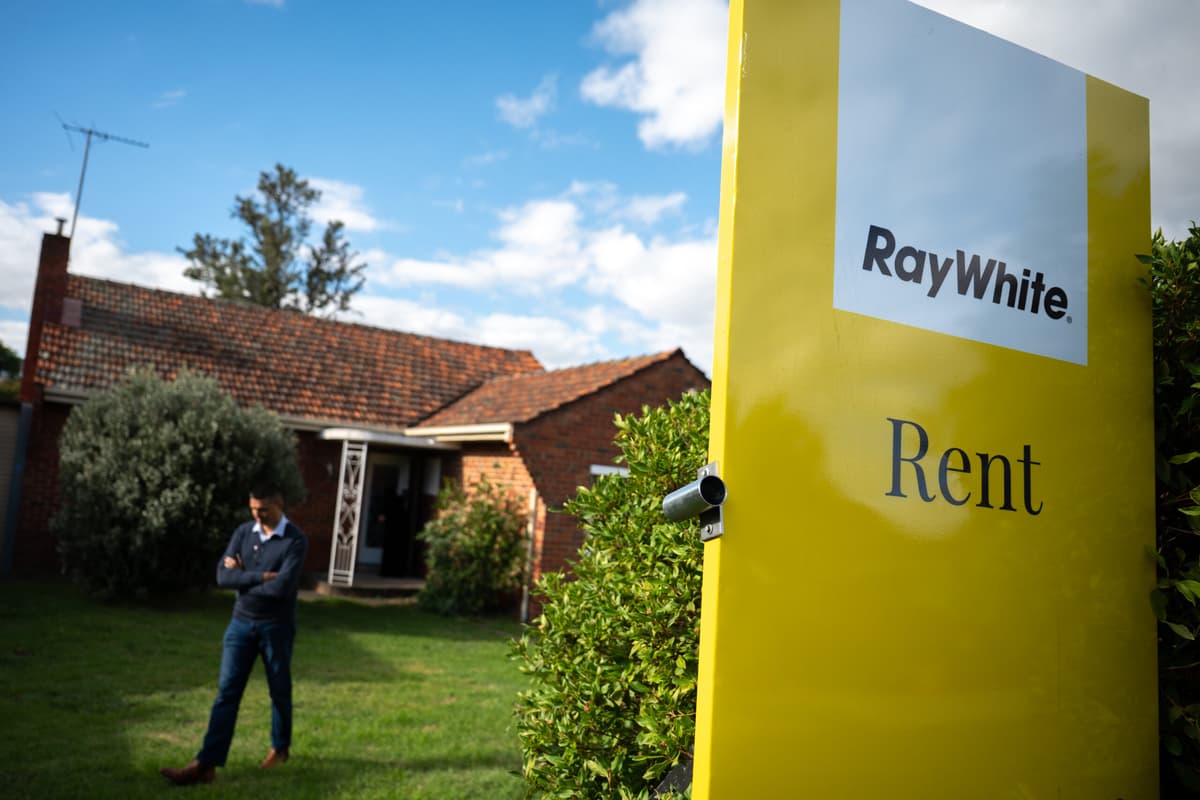
Photo: AAP Image/Jay Kogler


The overwhelming majority of Australians support government intervention to tackle the rent crisis, with new polling showing almost eight in 10 back restrictions on rent increases.
A YouGov survey of 1,100 people, commissioned by the Australia Institute, found 55 per cent of respondents believed rent increases should be capped at the rate of inflation or less, while another 23 per cent supported a temporary freeze.
Support for tougher controls goes well beyond traditionally progressive voters, with a majority of Coalition and One Nation supporters also backing restrictions.
“For decades, Australia has been told that housing is best provided by the private market and governments should get out of the way,” said Jack Thrower, deputy research director at the Australia Institute.
“Governments have given away tens of billions in tax incentives for private developers, let public housing wither away and allowed the housing crisis to get worse and worse.”
The polling also found three in four voters (75 per cent) agree that governments should spend more money directly building public housing, including more than one in three (35 per cent) who strongly agree.
Support for increased public housing spending also crosses political lines, with 88 per cent of Greens voters, 83 per cent of Labor voters, 82 per cent of independent voters, and 69 per cent of both Coalition and One Nation voters backing the measure.
Mr Thrower said that while governments have taken steps to address the housing crisis, their efforts were focused primarily on homebuyers.
“This year the Albanese Government made bold changes to overhaul broken tax settings to help people trying to enter the housing market. But after years of surging rents, renters continue to suffer,” he said.
Quality research, analysis, explainers and factchecks from experts you can trust.
“This polling shows that voters overwhelmingly back bold government interventions, directly regulating rents and spending more to actually build more public housing.”
Anglicare Australia’s Rental Affordability Snapshot laid bare the deepening strain on households nationwide, finding the rental market was “less affordable than ever”.
The Snapshot surveyed nearly 49,000 rental listings and found only one property nationwide that was affordable for a person on JobSeeker – and none at all for those on Youth Allowance.
For people on the Disability Support Pension or Age Pension, the figures were scarcely better, with just 0.03 per cent and 0.2 per cent of listings affordable, respectively.
“The housing crisis is not a short-term shock. It is a design feature of the system,” said Anglicare Australia Executive Director Kasy Chambers when the report was released in August.
“The private market is clearly not delivering. Even full-time workers are being locked out, and people on Centrelink payments are seeing their options shrink year after year.
“This is what happens when we build a system around investors and hope that housing will trickle down.”
Despite warnings that changes to negative gearing and capital gains tax would drive up rents, the latest data from Cotality showed rental price growth is slowing.

