Labor's deal with the Greens on private health insurance may solve the immediate political problem, but it doesn’t answer the bigger policy question: Why are taxpayers spending $8 billion a year subsidising private health insurance when that money might buy more health elsewhere?

Fri 27 Nov 2026 11.24 AEDT
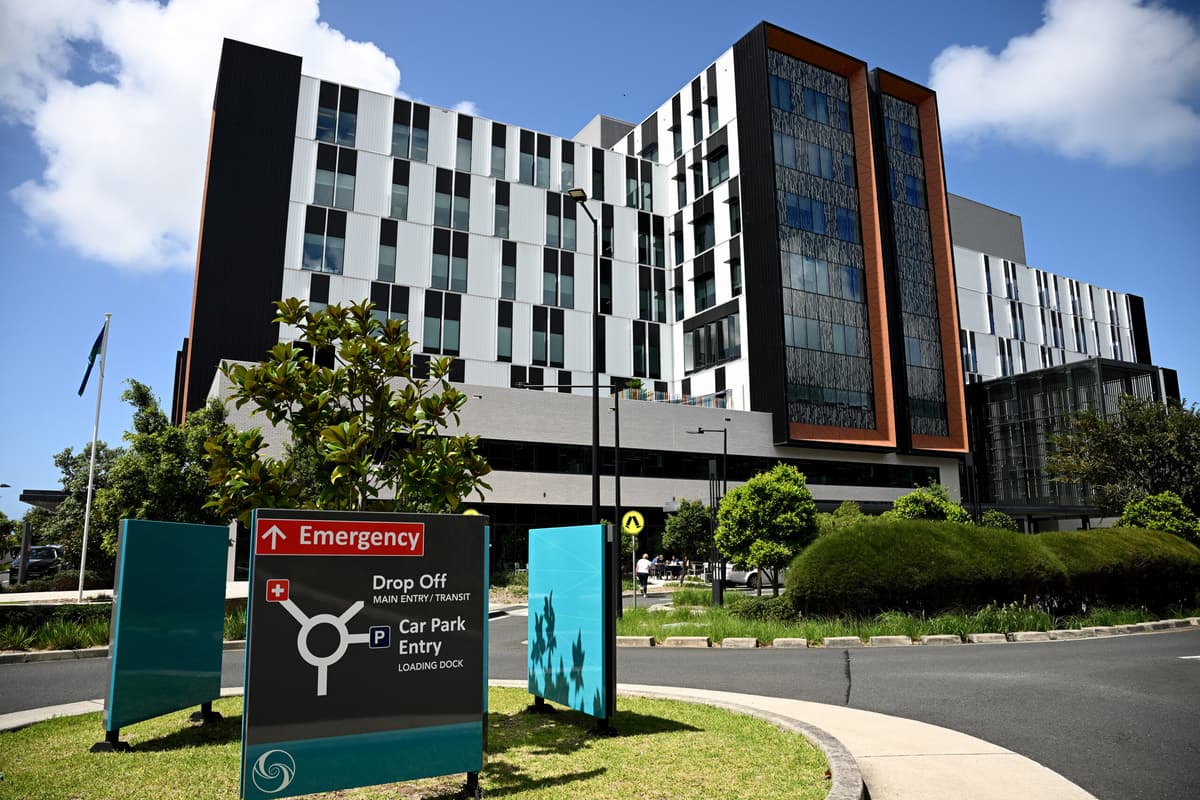
Photo: AAP Image/Dan Himbrechts


Labor and the Greens have agreed to exempt pensioners from the plan to remove the additional PHI rebate available to people aged 65 and over.
Anyone receiving a full or part-rate Age Pension – even for one fortnight during the financial year – will retain the additional rebate. Service pension and recipients of veteran payments are also protected. The government says the full aged-care investment announced in the Budget will still proceed.
Politically, it is an obvious compromise. It also makes the policy more defensible.
The Australia Institute’s submission on the original Bill argued that age is a poor proxy for capacity to pay. Under the old arrangements, two households on identical incomes could receive different taxpayer subsidies simply because one was older. If government wants to protect people who genuinely cannot afford higher premiums, income and means testing are a much better way to do it.
The pensioner carve-out moves the policy closer to that principle.
But it comes at a cost.
Parliamentary Budget Office analysis previously estimated that about $1.6 billion of the original $3 billion in savings would come from PHI-insured Age Pension recipients. Exempting them will therefore substantially reduce the savings generated by the measure – roughly halving them on the earlier estimates. The government nevertheless says the full aged-care package will remain funded.
That’s good news for aged care.
The $8 billion question
But the change to the rebate also highlights the bigger question that has largely been ignored.
Why are taxpayers spending around $8 billion every year directly subsidising private health insurance in the first place? And that is before considering the broader tax settings designed to encourage people to hold private cover
Quality research, analysis, explainers and factchecks from experts you can trust.
Our submission argued that the PHI rebate is expensive, regressive and poorly targeted. Almost 80% of Australians aged 15 and over in the least disadvantaged areas have private cover, compared with 38% in the most disadvantaged areas. The same socioeconomic divergence can be found in private hospital admission rates.
Yet the public subsidy is largely untied: insurers do not have to demonstrate that it improves health outcomes, prevents hospitalisation or meaningfully reduces pressure on public hospitals.
And the evidence that higher PHI coverage materially relieves public hospitals is weak.
Public and private hospitals compete for much of the same workforce. Not every procedure performed privately would otherwise be performed publicly. Some private activity delivers little clinical benefit. And PHI does little to relieve emergency departments, where the overwhelming majority of serious acute care occurs.
Taking pressure off public hospitals
By contrast, putting money directly into aged care can relieve hospital pressure in a very tangible way: it gives medically ready patients somewhere to go instead of leaving them stranded in acute hospital beds.
According to my calculations, reducing these ‘stranded patients’ by a tenth could free up 22,000 overnight hospital admissions a year.
In bed-day terms, that’s roughly equivalent to an additional 46,000 cataract surgeries or 17,000 hip replacements in public hospitals each year.
That was the strongest feature of the original proposal.
The government was taking money from an indirect and poorly targeted hospital subsidy and putting it into services that could directly improve care and free hospital capacity.
The deal with the Greens may solve the immediate political problem, but it doesn’t answer the bigger policy question: Why are taxpayers spending $8 billion a year subsidising private health insurance when that money might buy more health elsewhere?

