

It is time to reform the religious exemptions in the Sex Discrimination Act
Most Australians do not realise that carve-outs exist in the Sex Discrimination Act or that in the present day, women are still losing their jobs for getting divorced.

Welfare groups are urging the Albanese government to abandon plans to restart Centrelink payment cancellations, warning unresolved legal concerns and inadequate safeguards could leave vulnerable Australians without money for food or rent.
Wed 21 Oct 2026 10.18 AEDT

Photo: AAP Image/Julian Smith
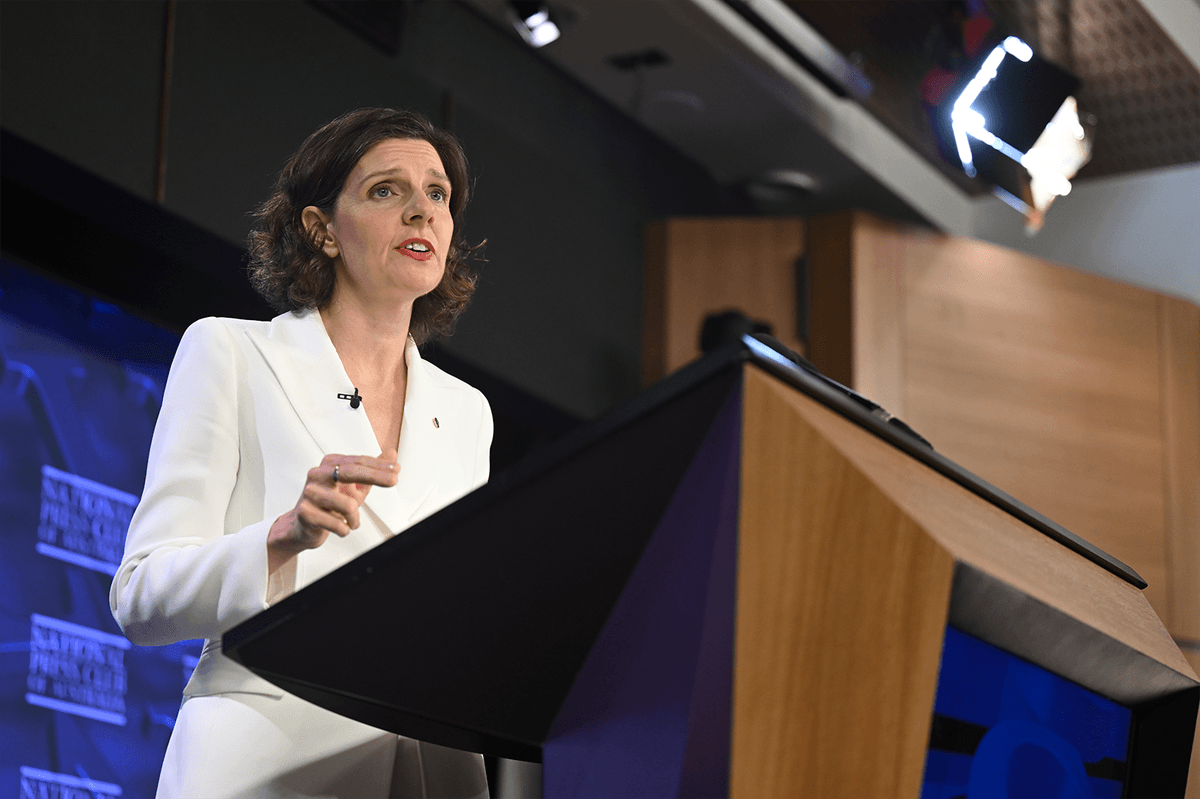
Most Australians do not realise that carve-outs exist in the Sex Discrimination Act or that in the present day, women are still losing their jobs for getting divorced.
As with most things in Australia, the ability to shackle women during child birth is a practice that impacts more First Nations women than others, and most women in parliament would never have spoken to a woman who had given birth while shackled to a bed. And yet, the Australian parliament could not even manage to support minimum guidelines.
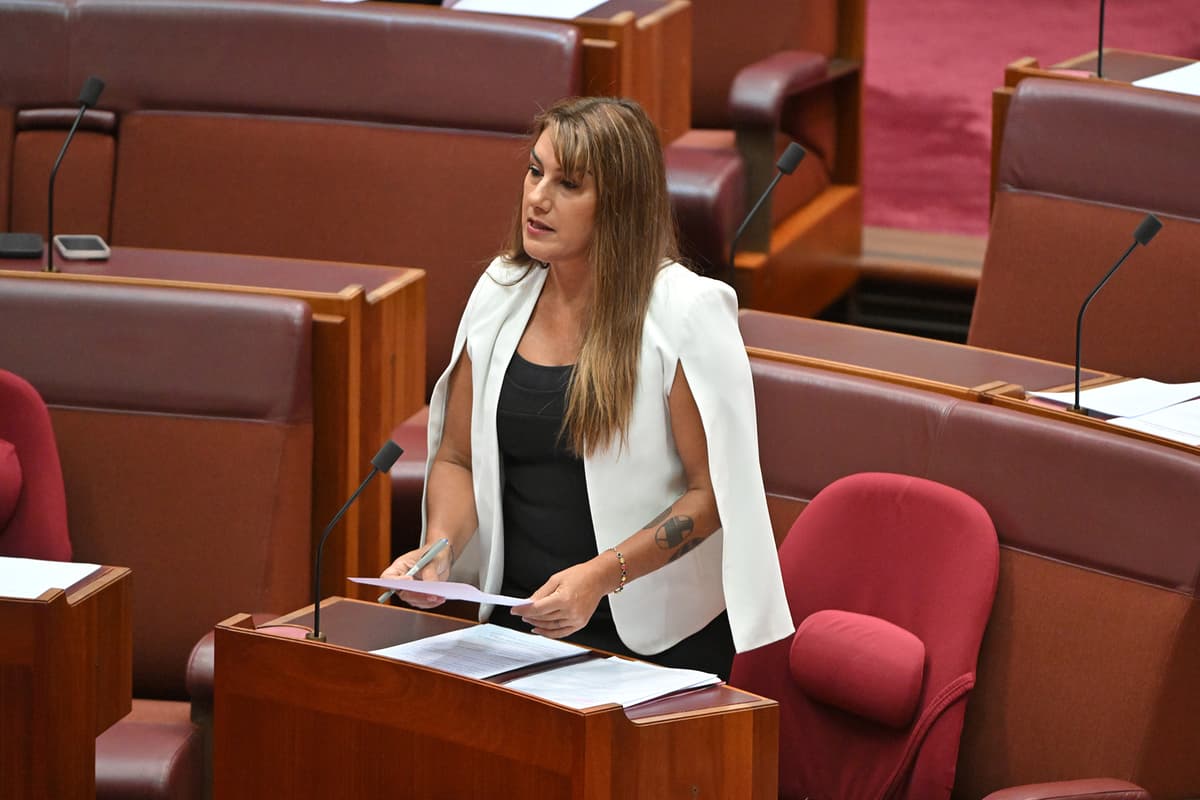
Welfare groups are urging the Albanese government to abandon plans to restart Centrelink payment cancellations, warning unresolved legal concerns and inadequate safeguards could leave vulnerable Australians without money for food or rent.
Cancellations for people who fail to reconnect with employment services within four weeks are set to resume on October 26, more than two years after being paused.
The Department of Employment and Workplace Relations is also restarting suspensions for refusing or failing to start suitable employment.
It says it has tested IT changes and improved its guidance and training to ensure the rules are applied lawfully, with the remaining provisions expected to resume in the first quarter of 2027.
“We are extremely alarmed by this announcement that will see the screws turned even tighter on welfare recipients who are already under so much strain,” said Antipoverty Centre co-coordinator Jay Coonan.
“Compulsory activities and payment suspension penalties cost money that people can’t afford, create unnecessary stress and waste time.”
Two subsequent reports by the Commonwealth Ombudsman exposed unlawful cancellations and failings in how affected people were compensated.
But welfare groups have accused the government of pushing ahead without detailing how it has fixed the identified failures.
“Last year, our own analysis revealed that roughly 310,000 people had had their payments cancelled illegally,” said Economic Justice Australia CEO Kate Allingham.
“Reform to this dangerous and flawed system has to be thoughtful and thorough, and any decisions related to payments that allow people to survive need to have discretion applied by human beings who take adequate time to understand the person’s circumstances.”
In August 2025, the Ombudsman recommended establishing a compensation scheme.
A review in December 2025 found the department’s remediation approach and its decision-making processes were unfair and unreasonable.
It also warned that stigma against job seekers may contribute to inadequate oversight of employment service providers.
Quality research, analysis, explainers and factchecks from experts you can trust.
The National Aboriginal and Torres Strait Islander Legal Services (NATSILS) said Aboriginal and Torres Strait Islander people accounted for 46 per cent of the cohort whose payments were unlawfully cancelled between April 2022 and July 2024.
“This is systemic and structural racism at play,” said NATSILS executive director Nick Espie.
“Governments have committed to improve the economic prosperity and social and emotional wellbeing of Aboriginal and Torres Strait Islander people under the National Agreement on Closing the Gap. These kinds of measures, and inaction on righting the wrongs, demonstrate how governments are failing on those commitments.”
The groups have called on the government to abolish compulsory “mutual obligation” requirements, including job searches and appointments with employment service providers.
“There are over 3,200 people with an intellectual disability who are subject to compulsory activities under the Targeted Compliance Framework,” said Inclusion Australia CEO Maeve Kennedy.
“People with an intellectual disability face significant barriers to navigating requirements, communicating with providers, using digital systems and completing administrative processes.”
The government’s Digital Protections Framework – proposed safeguards governing the use of automated systems in employment services – is still being finalised.
Ms Kennedy warned people with an intellectual disability would still face significant barriers to meeting the requirements.
“If the support people rely on to manage compulsory activities is no longer available because of recent NDIS reforms leading to plan cuts, these requirements become significantly harder to meet,” she said.
“Financially penalising people for barriers created by an inaccessible system is fundamentally unfair, and our position continues to be that no one should be subject to compulsory employment activities as a condition of receiving income support.”
The Australian Council of Social Service (ACOSS) said it was deeply concerned the protections framework wasn’t in place.
“Strong digital safeguards are essential given how heavily the system relies on automation and the catastrophic administrative failures of recent years, including Robodebt,” said CEO Dr Cassandra Goldie.
“We strongly opposed the Targeted Compliance Framework when it was first introduced by Minister Cash under the Coalition Government. It should be abolished once and for all.”


