Independent senator David Pocock has proposed a five per cent levy on data centres that he says would raise $500 million by the end of 2030.
The ACT senator said the levy would take effect from January 1 next year and had already been costed by the Parliamentary Budget Office.
“I fear the influence of vested interests means we are about to repeat the same mistakes of the resources boom in the data centre gold rush,” he said.
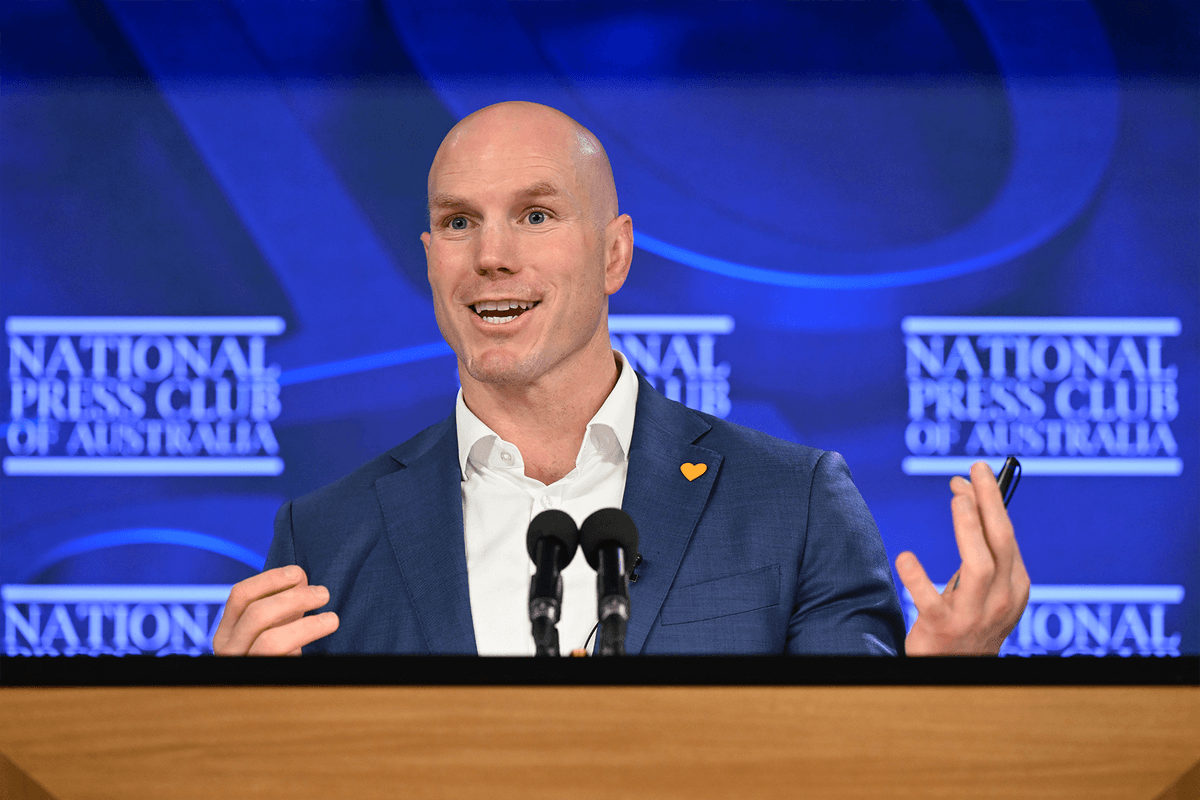
Speaking at the National Press Club, Senator Pocock accused the Albanese government of being “starstruck” by US AI companies and ignoring community concerns about the industry’s long terms costs and impacts.
He warned Australia risked repeating the same mistakes of the resources boom by failing to make multinationals pay their fair share.
“In the context of a forecast $200 billion investment and little to no corporate tax paid by foreign data centre companies in this country, it’s not much – but it’s better than the nothing we’ll get if we don’t put in place something like this now,” he said.
He pointed to Microsoft’s Australian data centre business, which he said generated $2.3 billion in local revenue but paid no company tax, according to the ATO’s latest tax transparency report.
He also claimed US tech giants such as Microsoft, Amazon and Google pay effective company tax rates of just one to four per cent.
Senator Pocock said the Australian Government was so focused on what big tech wanted that it has forgotten to ask what Australia needed.
“When it comes to AI policy we need to be seeing with clear, very human eyes and remember the value of critical thinking,” he said.
“We may be drowning in information, but now is a time we desperately need human wisdom.”
Get our newsletter
Quality research, analysis, explainers and factchecks from experts you can trust.
Greens Senator Sarah Hanson-Young has called for a moratorium on new data centres until enforceable standards are in place.
“AI is the new extractive industry. If we don’t have the right rules in place, big tech companies will take our resources and leave Australians with little to show for it,” she said.
Tasmanian senator Jacqui Lambie has also warned against “rolling out the red carpet” for foreign tech companies, accusing them of using promises of data centre investment to pressure the government over copyright laws.
“I’ve also heard that big tech is pressuring our government to do a deal over our copyright laws, otherwise, we don’t get their data centres,” she told Parliament earlier this year.
Senator Pocock said he didn’t want to see Australian authors, musicians, artists and journalists “sacrificed on the altar of AI frontier training”.
“Imagine siding with the tech bros over almost every Australian author, artist and journo that wants their copyright protected,” he said.
The Albanese government has pledged to introduce mandatory national standards requiring larger data centres to cover their electricity and infrastructure costs and minimise water usage.
But according to the ABC, the “bigger, hungrier AI data centres” will escape the proposed restrictions because the new laws aren’t expected to be retrospective.
Senator Pocock said the $500 million generated from a data centre levy could raise the equivalent of what Australia currently spends annually on new social and affordable housing through the Housing Australia Future Fund.
“We have to get better as a country at capturing long-term benefit and setting the terms of engagement,” he said.