The latest Foodbank Hunger Report 2026 has found that one in three Australian households had experienced food insecurity in the past 12 months, an increase of 100,000 compared with last year.
By Tegan George
Mon 26 Oct 2026 13.19 AEDT
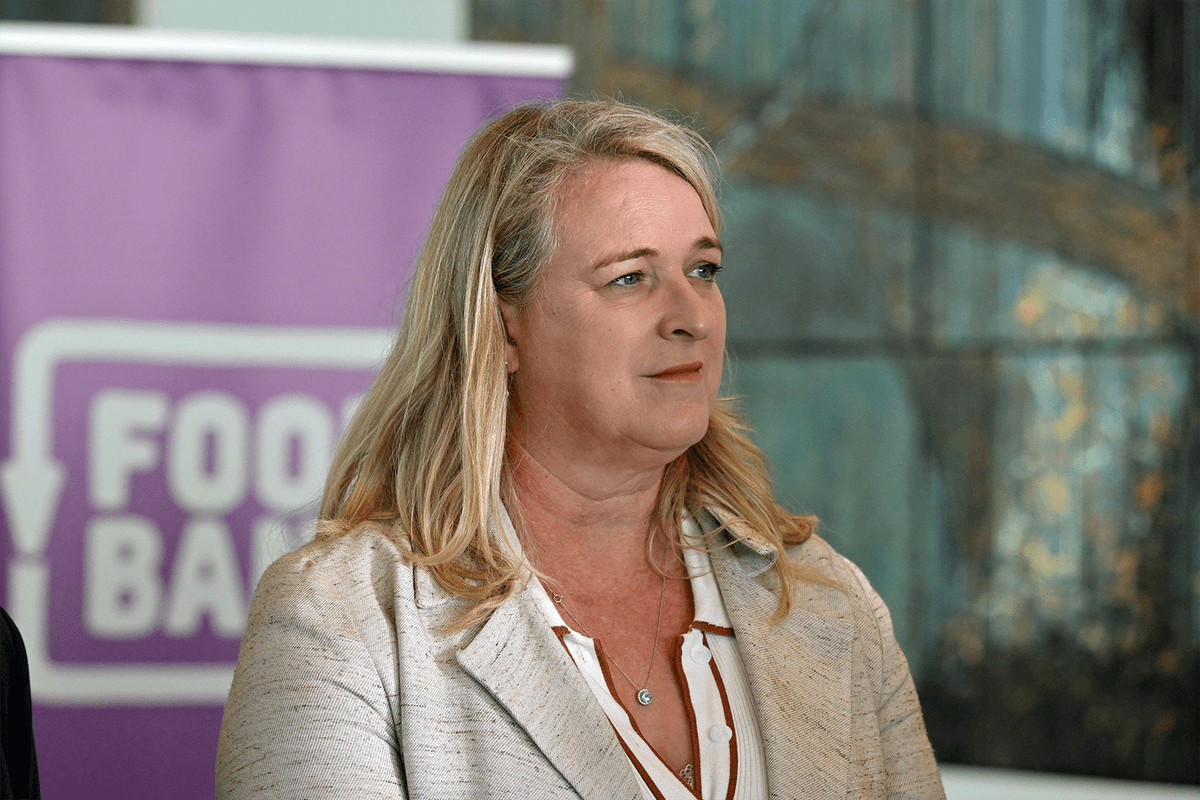
Photo: AAP Image/Mick Tsikas


Australia’s hunger crisis is spreading to middle-income households, with new research revealing 3.6 million are struggling to put food on the table.
The latest Foodbank Hunger Report 2026 found one in three Australian households had experienced food insecurity in the past 12 months, an increase of 100,000 compared with last year.
Alarmingly, nearly seven in ten affected households (69 per cent) experienced difficulties accessing enough food for the first time.
“We call ourselves the Lucky Country, but for one in three households, Australia is now the Hungry Country,” said Foodbank Australia CEO Kylea Tink.
“Sadly, hunger has become part of the Australian story. If one person from every food insecure household stood in a queue one metre apart, that line would stretch from Sydney to Perth. In a country like Australia, we should not accept this as our new normal.”
Food insecurity occurs when people lack reliable access to enough safe, nutritious food that meets their dietary needs.
Australian households with children have been among the hardest hit, with almost half (45 per cent) struggling to access enough food, rising to 60 per cent among single-parent families.
The report also revealed the changing face of hunger, with 37 per cent of middle-income households, earning $33,800 – $90,999 per year, facing shortages.
Almost one in four (23 per cent) experienced severe food insecurity.
“Foodbank research shows that hunger is no longer confined to the margins, it is impacting middle Australia,” said Ms Tink.
“A wage used to be what kept food on the table, but for a growing number of working Australians their pay packet no longer stretches that far. These are our friends, colleagues and neighbours, and many never imagined they would need a helping hand to feed their families.”
Food insecurity is particularly prevalent among renters, with one in two households affected, compared to just 12 per cent of those who own their own home outright.
First Nations families are also disproportionately impacted, with 57 per cent struggling to put food on the table.
Quality research, analysis, explainers and factchecks from experts you can trust.
The report comes as the Albanese government resumes Centrelink payment cancellations for jobseekers who fail to meet employment services requirements within four weeks.
The Department of Employment and Workplace Relations is also restarting suspensions for refusing or failing to start suitable employment, despite warnings from welfare groups that unresolved legal concerns could leave vulnerable Australians without money for food or rent.
“It is completely absurd to be dialling up penalties at a time when the RBA is determined to increase the number of unemployed people and the legal foundations of the system are in doubt,” said Antipoverty Centre spokesperson Jay Coonan.
Foodbank Australia found regional households are also harder hit than those in the cities, with almost one in four (23 per cent) having difficulty accessing enough food.
The findings come amid a cost-of-living crisis, with rising petrol prices and interest rates putting further pressure on households, forcing many to choose between everyday essentials.
“People should not have to choose between putting a roof over their head or putting food on the table. We’re hearing of parents going without just to make sure their children can eat. This is unacceptable and we must do something about it,” Ms Tink said.
She welcomed the Albanese government’s $700,000 funding increase earlier this month but called on federal, state and territory governments to work together to create a national minimum standard for school breakfast programs.
Among families struggling to afford food, participation in Foodbank’s school breakfast program has risen from 36 per cent to 45 per cent in the past 12 months.
Foodbank wants every Australian child to have access to a nutritious breakfast at school by 2030.
“A national school breakfast program would mean one less meal for food insecure families to worry about, and parents can be confident their children are starting every school day with a nutritious meal,” she said.
The organisation is also urging businesses and philanthropists to do more to help tackle the issue.
“One dollar can put two meals on the table,” said Ms Tink.
“Food relief organisations cannot solve this alone, we need government, business, philanthropists and communities to step up to the plate.”

