

There are no private schools in Australia. It’s time we stopped pretending
Every parliamentarian should support public accountability in return for taxpayer funding
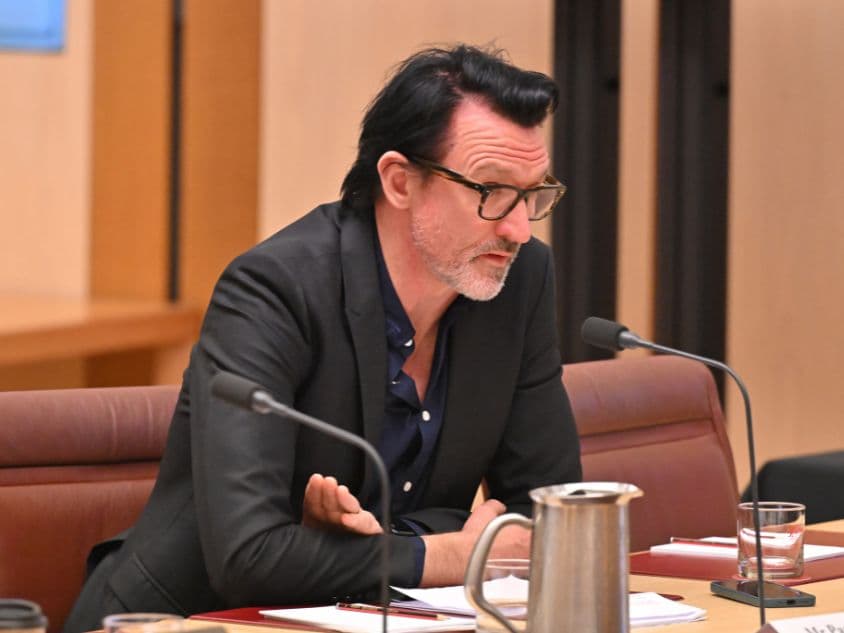
Something for Kate musician Paul Dempsey warns Australia could become a "laundering haven" for AI
By Tegan George
Fri 27 Nov 2026 12.39 AEDT
AAP Image/Mick Tsikas


Every parliamentarian should support public accountability in return for taxpayer funding
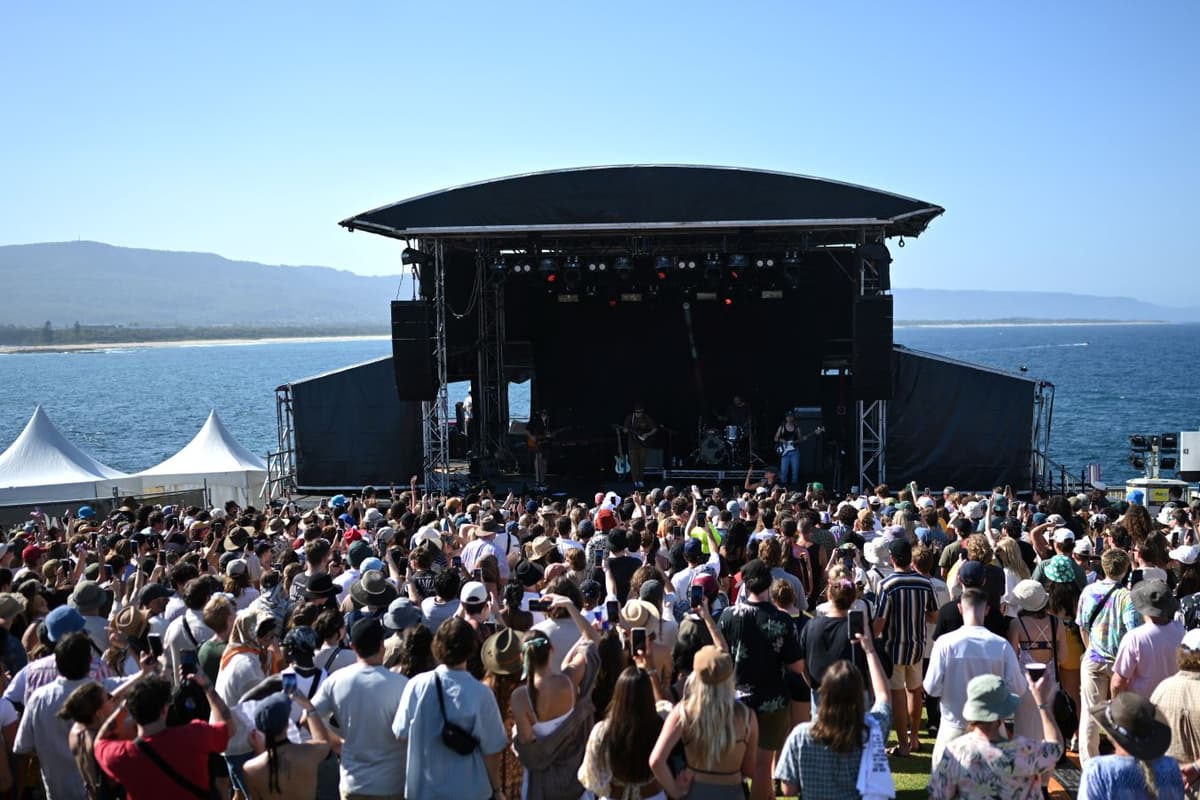
Australian music has never travelled further internationally, but Australian content requirements for streaming services would help promote homegrown music domestically.
Australia risks sacrificing its cultural identity to appease big tech, with artists urging the Albanese government not to sell out future generations of Australian creatives.
Tech giants are lobbying the government to water down Australia’s copyright laws to allow them to use local creative works, such as music, artworks, books and cartoons, to train their models.
“They want what we create so that they can create wealth out of it whilst removing our ability to create wealth,” acclaimed Australian musician Paul Dempsey told the Australia Institute’s Follow the Money podcast.
The Something for Kate musician said Australia’s existing copyright laws worked well and allowed artists to negotiate payment for the use of their work.
“These deals are made every day of the week, and it’s been that way for decades and decades … This is nothing but an attempt to get a freebie,” he said.
Mr Dempsey said he discovered his band’s entire catalogue had already been “scraped” in the US.
“What does it do to the culture of the country when you basically completely disincentivise creative people from seeking a career being a creative person?” he argued.
He said AI giants had failed to secure similar copyright changes in the UK and the US.
“Australia is kind of the last place potentially where they think they can kick the door down and get this changed,” he said.
Mr Dempsey warned weaking the laws would allow companies to exploit creative works from around the world, making Australia a “kind of pariah”.
“Australia essentially becomes like a kind of laundering haven,” he said.
“Like a tax haven, but for cultural content,” said Ebony Bennett, podcast host and deputy director of the Australia Institute.
The International Confederation of Societies of Authors and Composers has written to Prime Minister Anthony Albanese expressing “grave concerns” and warning that Australia could set a precedent for the commercial exploitation of creative works worldwide.
Quality research, analysis, explainers and factchecks from experts you can trust.
“They [the Australian government] seem to have this desperate need to give some sort of concession or some sort of win to these AI companies because they’re obviously very keen to lock down investment in data centres in Australia,” said Mr Dempsey.
Independent senator David Pocock revealed in June that a whistleblower had alleged the government was considering copyright concessions in exchange for billions of dollars of data centre investment.
Industry and Science Minister Tim Ayres accused Mr Pocock of “reckless speculation”, while a spokesperson for the Attorney-General denied plans to weaken the laws.
Last week, the Australian Financial Review reported the government was thinking about exempting music from any changes that would allow tech companies to train their models on other creative works.
The music industry rejected the proposal with Senator Pocock labelling it a “divide and conquer strategy”.
“As soon as I saw that, I just thought it was a really obvious and kind of shitty attempt to divide people,” said Mr Dempsey.
On Tuesday, the Joint Select Committee on Artificial Intelligence recommended a payment scheme to compensate copyright holders whose work is used to train AI in Australia.
But the Australian Recording Industry Association rejected the committee’s suggestion that the existing copyright laws were inadequate.
The domestic music industry is already struggling to compete with international artists that are favoured by the algorithms of global streaming services. Research by the Australia Institute found that, between 2021 and 2024, the number of Australian acts among the 10,000 most-streamed artists in Australia fell by 20 per cent. This year’s figures show further falls.
Research by the Australia Institute found that, between 2021 and 2024, the number of Australian acts among the 10,000 most-streamed artists in Australia fell by 20 per cent. This year’s figures show further falls.
“Streaming means Australian’s are permanently plugged into the rest of the world.” said Morgan Harrington, Research Manager at The Australia Institute. “If we want bands we can be proud of in the future we have to create policies that give them a chance now.”
Mr Dempsey said the Albanese government needed to stand firm against big tech.
“If they can get it done here, then they can steal forever after,” he said.