The reaction to the slowdown in house prices in some parts of Australia makes me wonder, do people actually want affordable housing?
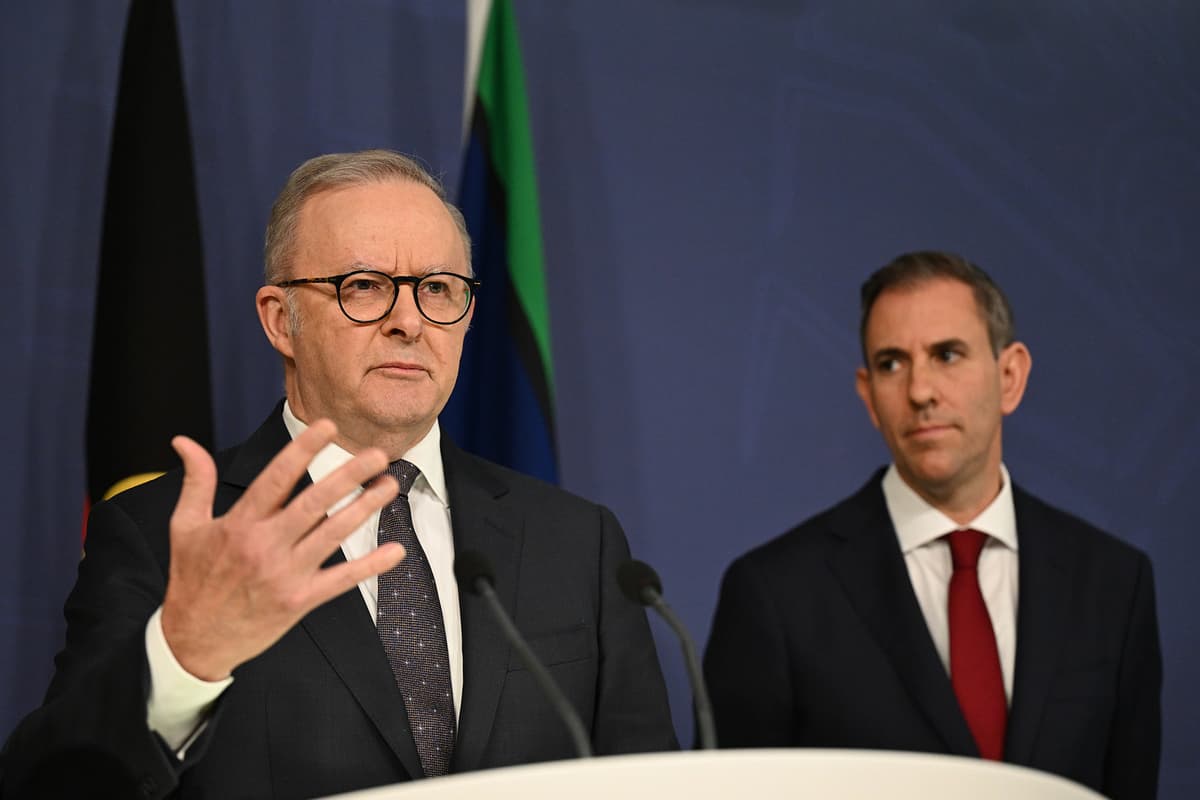
Since the budget passed significant tax reform that is designed, among other things, to make housing more affordable, house prices were flat in May and then dropped by 0.4% in June.
Some in the media have lost their minds at the very idea that house prices might not continue increasing. But rapidly rising house prices are the opposite of affordable housing.
The tax changes in the budget are likely not the only thing that is weighing on house prices. There have also been three interest rate rises this year. But the budget changes, which got rid of negative gearing for investors buying existing housing and made the capital gains tax discount less generous, are likely to be an important part of the slowdown.
Of course, there are predictions that prices will fall further. They range from almost no drop to about 10%.
Is this going to cause economic ruin?
Let’s put any drop into context. Any fall that might happen comes after a long period of rapid house price growth. Remember that’s what got us into this mess to begin with.
Since this mad run on house prices started in 2000, after the introduction of the 50% discount to capital gains tax, house prices have increased fivefold. Even in more recent times, over the six years since the beginning of COVID, house prices have increased by more than 50%.
But let’s take away the percentages and think about it in dollars. Since the beginning of 2020, average house prices have increased by $400,000, or an average of almost $70,000 a year.
Even if house prices were to fall 10%, the upper range of what people are predicting, that would only take house prices back from $1.1 million to about $1 million. This is where prices were at the end of 2024, about 18 months ago.
When petrol goes down in price, we think petrol is more affordable. When grocery prices go down, we think groceries are more affordable. But when house prices go down, apparently that’s a calamity.
But wait, I can hear you say. That’s different. Houses are investments. If investments drop in price, that’s a big problem.
But is it?
Let me introduce you to the share market. People buy shares as investments. If you don’t own any directly you almost certainly do if you have superannuation. Believe it or not, the share market sometimes drops in price.
From the 2nd to the 23rd of March this year, the ASX200 dropped 9%. Was that a major calamitous event? No. Outside the financial media, it went largely unnoticed.
These kinds of drops happen so regularly that financial market types even have names for them. A decline of 10% or more is a ‘market correction’. A decline of 20% or more is a ‘bear market’.
And we need to remember that a drop in house prices might only be a problem for people who are using housing as an investment.
If you’re like most homeowners and just own the house you live in, then a drop in prices isn’t really a concern. Sure, when you sell it, you will get less than you thought you might. But you’re going to need to buy another home, and you’ll pay less than you thought for that one because it’s gone down in price as well.
Housing is about a safe and secure place to live. Somewhere along the way, as a country, we forgot that and started to think about it as an investment. A way to make money. But that thinking is what drove us to have one of the craziest housing markets in the world.
Expensive housing is not just bad for those who are locked out of the market. It’s bad for those who manage to get in. Why? Because those who get in still pay huge prices.
This makes them slaves to huge mortgages. Spending more of their income for much longer, paying off super-sized mortgages.
Since the year 2000, house prices have increased 2.3 times faster than incomes, and average house prices are now above $1.1 million. If, since 2000, they had only increased at the same rate as incomes, house prices would be about $600,000.
Think about how different Australia would be. How much smaller everyone’s mortgage would be. How many more people would have paid those mortgages off. How much more money people would have to spend on everything else. How much happier would people be.
We wouldn’t have a generation shackled to huge mortgages and another generation locked out of home ownership.
So, the next time you read about how house price falls are the beginning of the end times, remember, this terrible focus on homes as investments is bad. For most of us, it’s making our lives worse.
And for the small number who are making money from housing, then house prices have recently increased so much that they are likely still ahead. They can sell up, make their capital gain and go and invest in something else.