The evidence is clear: NSW’s gun laws are working. They offer a clear path forward to other states and territories to reduce the number of guns in their communities; they only need to follow NSW’s lead.
Mon 31 Aug 2026 01.00 AEST
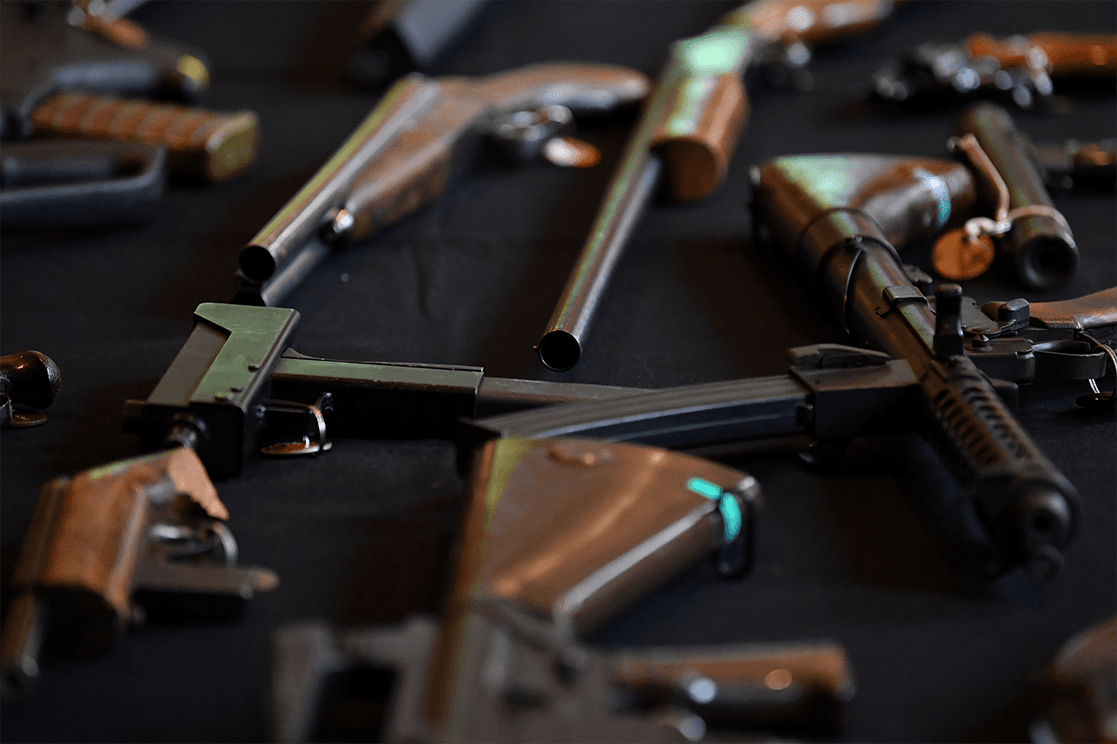
Photo: AAP Image/Joel Carrett


New South Wales was the first state to tighten its gun laws after the Bondi Massacre, limiting the type and number of guns someone can own in the state. Now NSW will also become the first state to begin a gun buyback scheme, with over a quarter of a million guns potentially being returned and destroyed in the coming months.
The buyback has been met with predictable outrage from the gun lobby, just as the state’s strengthened gun control laws were when they passed in December.
But NSW’s new gun laws are not just popular; they’re already working, making a successful buyback scheme likely.
NSW Police data shows that gun dealers’ sales have been cut in half since the laws were passed in late December – from around 5,000 per month last year to 2,000 per month now.
For laws with the stated aim of reducing the number of guns in the community, this is a clear success.
Similarly, the number of applications for new guns, known as “permits to acquire” (PTA), has shrunk from around 7,000 per month last year to just 5,000 per month after the new gun laws passed.
Despite a notable spike in the number of PTA applications in December of last year – the month of the Bondi massacre – there have been around 2,000 fewer PTA applications each month in 2026 than in 2025.
Combined, this is having a clear impact: this is the first time the number of guns in NSW has declined in decades.
Quality research, analysis, explainers and factchecks from experts you can trust.
The decline in gun numbers comes despite the fact that NSW’s new ownership limits – of ten guns per person for most licences and four for hunters – have not yet come into effect. When NSW kicks off the national gun buyback on 2 November, it could take up to 274,000 firearms – almost a quarter of guns in the state – out of the community.
The evidence is clear: NSW’s new gun laws are working. They offer a clear path forward to any other states and territories to reduce the number of guns in their communities; they only need to follow NSW’s lead.
The ACT has already committed to doing just that. It’s expected to enact similar limits on firearm ownership, and has announced its participation in the national buyback. Western Australia already implemented its own scheme, and has voiced support for the national buyback.
But other states and territories have lagged behind.
The governments of Queensland, Tasmania and the NT have been stridently opposed to following NSW’s lead on new gun laws and the national buyback, despite pressure from police bodies.
Two other states haven’t fully committed either way.
South Australian premier Peter Malinauskas has claimed strengthened laws are unnecessary, saying the state has “some of the strictest gun laws in the country”. That’s despite Australia Institute research finding South Australia has the weakest requirements for proving gun owners actually need their firearm in the country.
Under then-Premier Jacinta Allen, Victoria’s Labor government refused to implement the recommendations of former police chief commissioner Ken Lay’s review into firearm laws to put limits on firearm ownership. Allan, generally an ally of the firearms lobby, was rolled by now-Premier Ben Carroll in late July, who used his first speech to tell Victorians his new government would “provide police with the powers, funding and support they need to fight crime.” While he hasn’t yet committed to joining a buyback, he’s left the door open.
NSW has already shown that common-sense limits on the number of guns people can own work to take firearms out of the community. According to Australia Institute research, two-thirds of voters support strengthening gun laws.
When will their politicians catch up?

