Every week Australia delays introducing a 25% gas export tax is costing us $350 million. It’s a lot of lost revenue to ignore when your government has announced it will cut 160,000 people from the NDIS ahead of the Federal Budget.
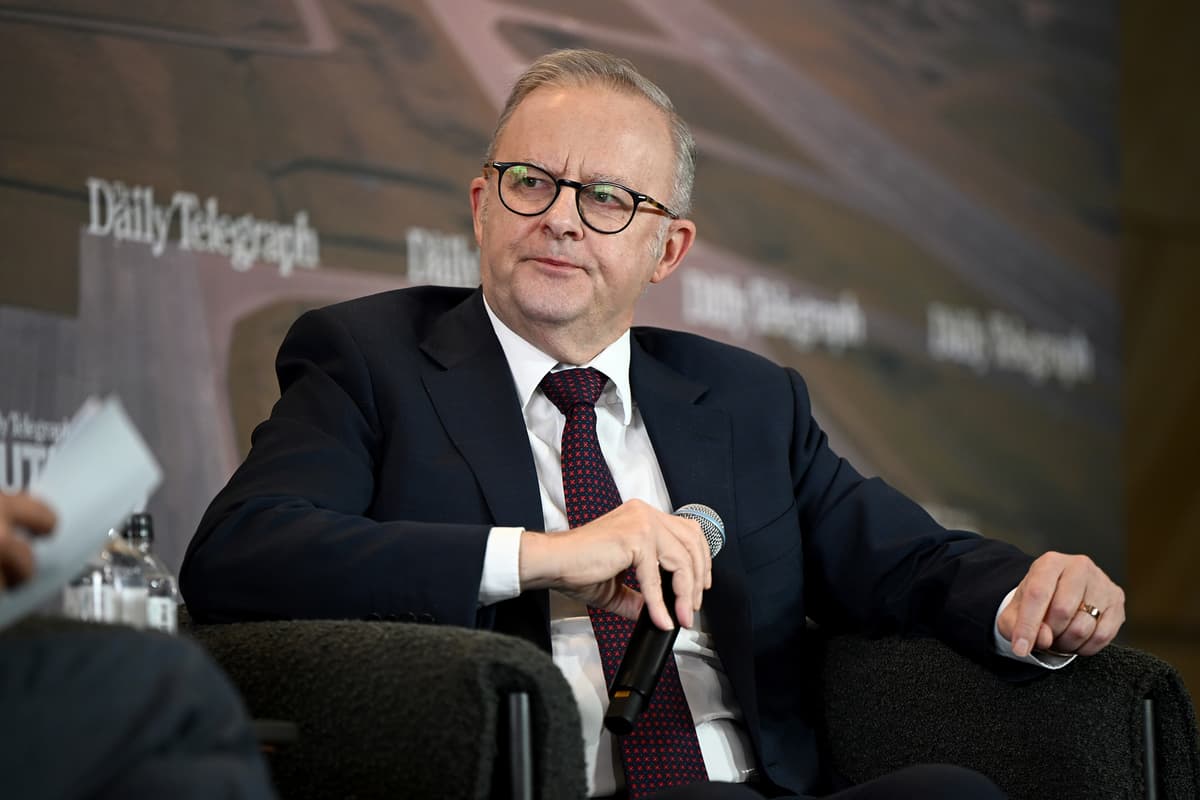
Yet, when the Prime Minister visited Perth this week, he seemed to kick the can down the road on a gas export tax in this budget, reassuring the mining industry that it “will not undermine existing contracts on gas exports”.
It’s a safe bet the political pressure to tax gas fairly will not diminish – the public supports it from Greens to One Nation voters, and it’s an issue that unites everyone from the head of the ACTU to the head of the Commonwealth Bank. As the political pressure will only keep growing, so too will the economic cost of not doing introducing a gas export tax, it will only become more obscene and more unfair as the weeks drag on.
Unfairness was as the heart of the Global Progressive Mobilisation I recently participated in in Barcelona, convened by Spanish Prime Minister Pedro Sánchez. The contrast between the unashamed call to arms for bold progressive action there, and the aggressive commitment to incremental centrism at home could not be starker.
Activists, academics and global leaders were clear that we are in a battle between democracy and oligarchy – and determined that democracy will prevail over a rising far right.
While opposition leader Angus Taylor, concerned about losing voters to One Nation, spruiked the Coalition’s migration policy by warning about the ‘high risk’ of ‘bad people’ coming from ‘bad countries’, Sánchez proudly announced that Spain will legalise half a million irregular migrants, “And I want to say to the right and the extreme right that oppose this project, we are the children of migration in Spain. We will not be the parents of xenophobia.”
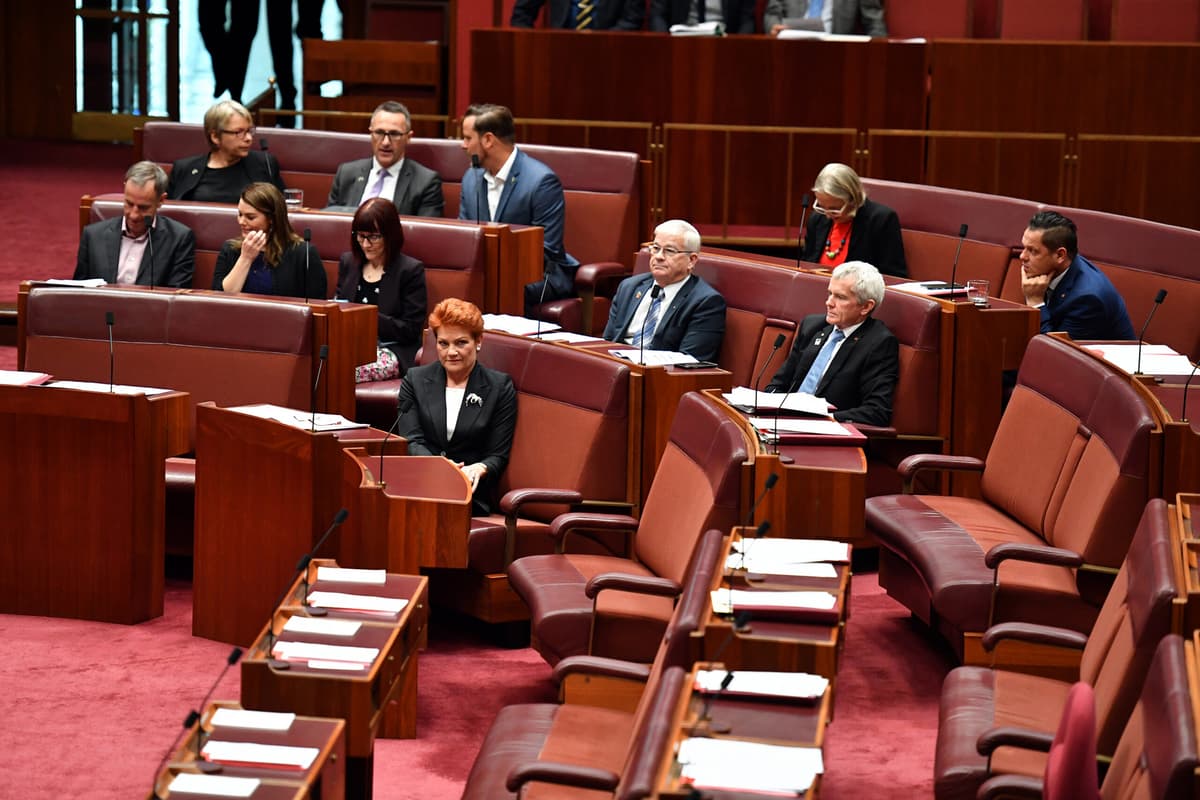
As Australians watch Pauline Hanson fly around in her ‘sexy’ donated private jet, and Anthony Albanese continues to dither over taxing gas exports, it’s worth listening to French economist Gabriel Zucman, who is sounding the alarm about the fundamental tension in our democratic societies between an extreme concentration of wealth on the one hand and the very possibility of a well-functioning democracy on the other.
“Extreme wealth is always an extreme power. It’s the power to influence markets. It’s the power to influence the prevailing ideology by buying media. It’s the power to influence policy. It’s the power to buy elections.”
Zucman is arguing for an unavoidable minimum tax on billionaires, because being a billionaire should come with unavoidable duties to society, yet the super rich pay much less tax relative to their income than the rest of the population. Australia is no different, it taxes wealth very lightly. “We cannot accept it because it’s a violation of the basic principle of equality before the law. We cannot accept it because it deprives governments of billions, hundreds of billions of dollars in tax revenue each year. And we cannot accept it because it undermines our democracy.”
If Australia is to avoid going down the same path as the United States, it must begin treating economic power as a political problem, because it is.
Pretending Australia would somehow risk its ability to secure fuel from our trading partners if we increase taxes on our gas exports is as insulting as it is wrong. Australia Institute research shows that the Japanese Government makes more revenue taxing its imports of Australian gas than the Australian Government makes from the export of our gas. That’s not just unfair, it’s irresponsible. We can only sell our gas once. After that, it’s gone.
Every week of delay, Australia forgoes hundreds of millions that could contribute to reducing the pressure on low- and middle-income households. Albanese is still hesitating, but the political support is already there and the arithmetic of passing up $350 million a week will only get more compelling. But I suspect introducing a 25% gas export tax is likely a bit like reforming the Stage 3 income tax cuts—something the government will rule out time and again, right up until it makes a different choice.
Ebony Bennett is the deputy director of the Australia Institute.