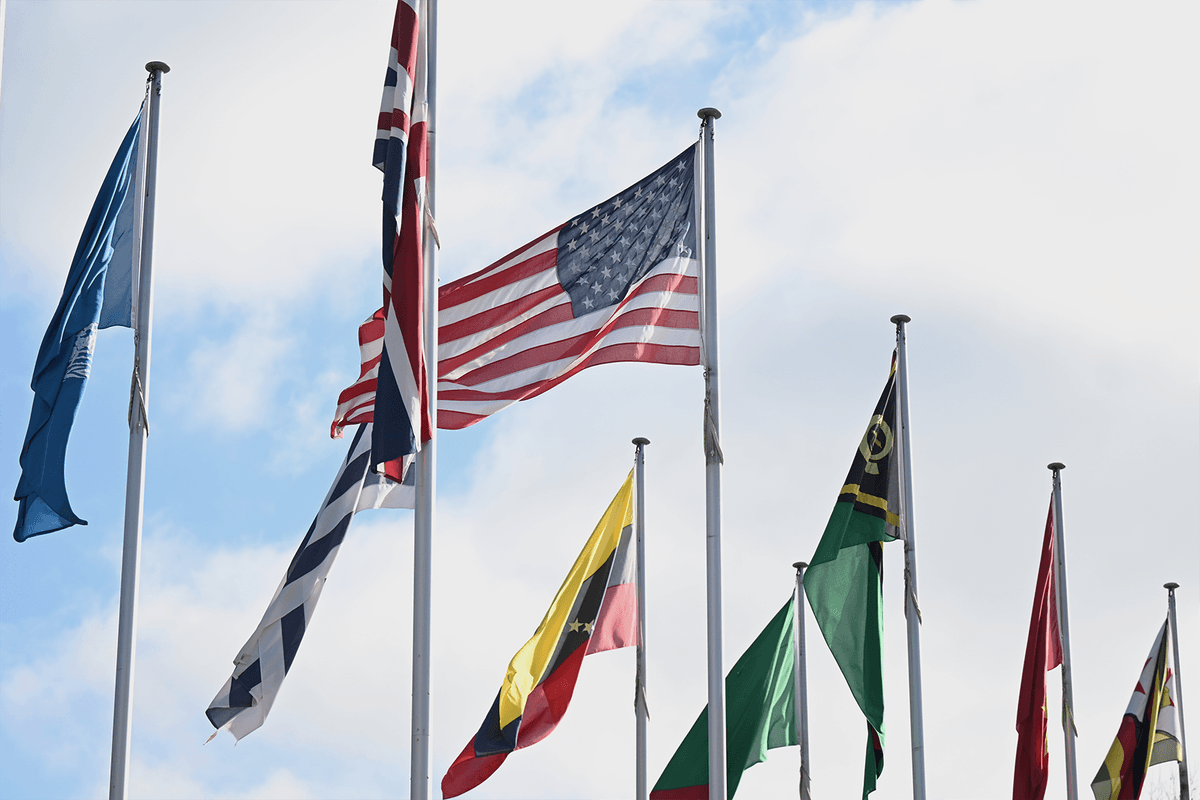
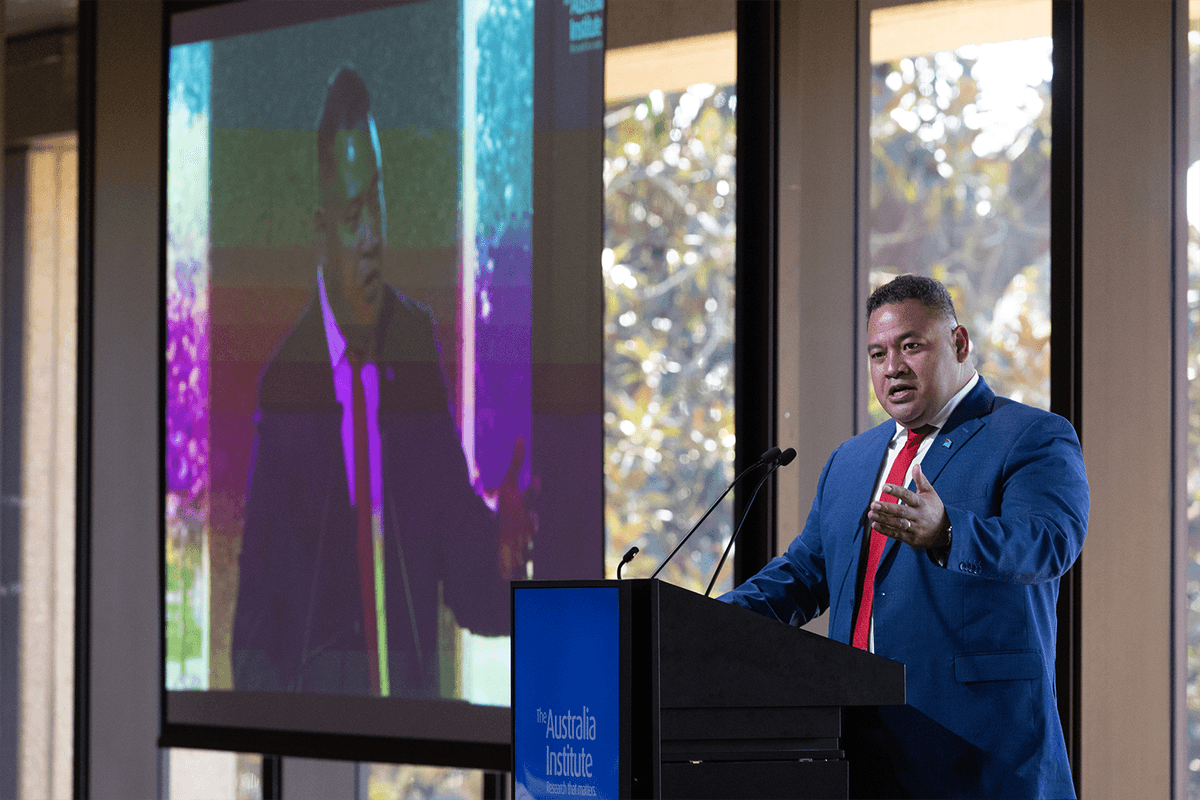
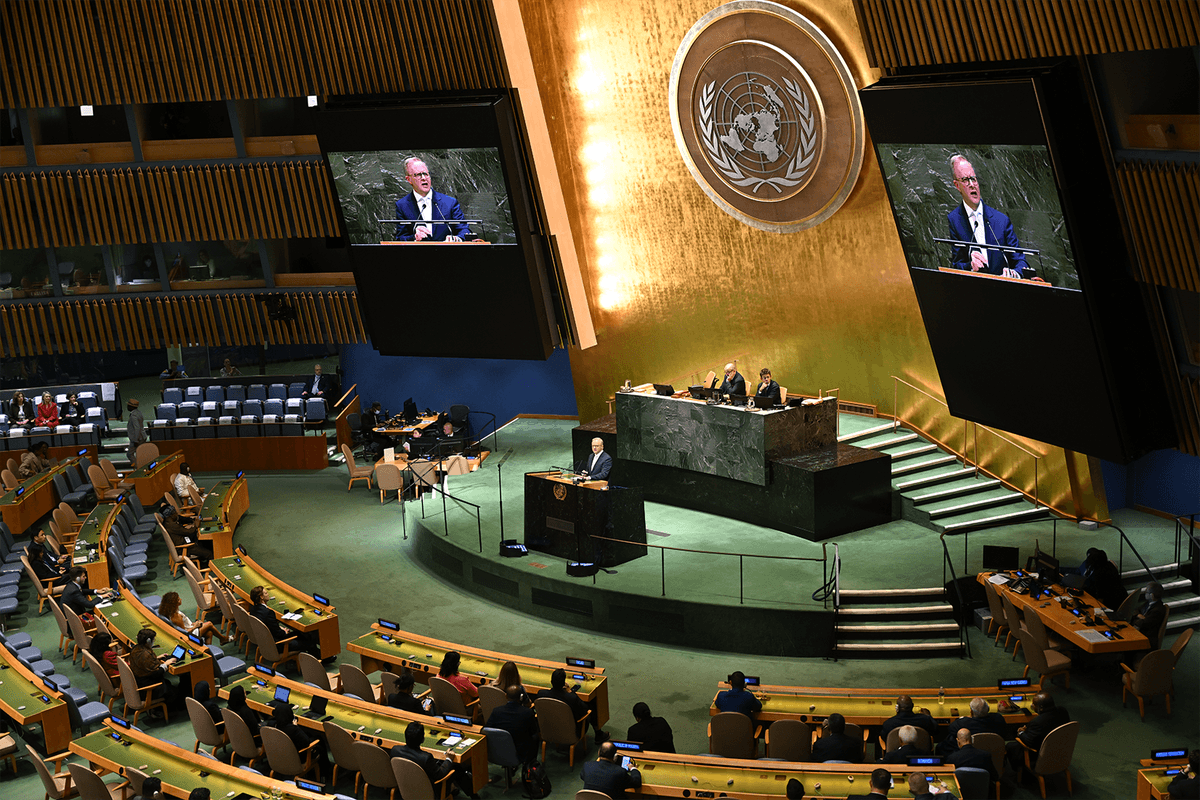
International development is a two-way street in an interdependent and hyper-connected world. The challenges that shape this century, from climate change and pandemics to economic shocks and displacement, are not isolated to Australia. Yet, as the world becomes increasingly insecure, we’re seeing an alarming retreat from multilateralism that risks pushing some of the most vulnerable communities across the world further into poverty, while undermining collective efforts to strengthen our institutions and build a more stable and prosperous world for all.
In 2025, global overseas aid dropped by 23% as many traditional donors wound back aid commitments. These aid cuts came as the need for international development assistance is growing. Conflict continues to drive humanitarian crises as we see in Gaza, Yemen and Sudan. Climate change is disproportionately affecting vulnerable communities and threatening displacement, including in the Pacific, the Torres Strait and now the heartbreak we are witnessing in Nepal. The outbreak of Ebola in the Democratic Republic of Congo is highlighting how a crisis can turn into a disaster when health and humanitarian systems are inadequate.
Against this backdrop, Australia has done well to buck the international trend and begin restoring its aid budget after years of decline. These increases recognise that development challenges cannot be ignored and that sustained investment is essential to supporting our neighbours and partners. But there is still a long way to go for Australia to meet its international responsibility as a wealthy nation to support countries in need. Currently, only 0.63% of federal spending is directed at overseas aid. In a context of growing international need, Australia can and must do more.
The case for aid is both moral and strategic. As a wealthy country, Australia has a responsibility to support people facing poverty, crisis and disadvantage, regardless of where they were born. However, the benefits of development assistance extend far beyond humanitarian outcomes.
Well-targeted aid can help build stronger economies that become future trading partners, create opportunities for education and employment, and support the development of infrastructure and institutions that are essential to flourishing democracies and societies. It can also address some of the drivers of conflict, displacement and insecurity, helping create a more stable region for Australia and our neighbours.
When development programs are adequately funded and locally led, they can deliver lasting change. They can help communities build their own capability, strengthen local institutions and create the conditions for sustainable economic development.
Australia’s relationship with Vietnam is one example of how development cooperation can contribute to deeper economic and political relationships over time. Since 1973, Australia has provided over $3 billion in development assistance which has supported Vietnam’s economic transformation, while the relationship has grown into a significant trade and strategic partnership so that in 2025, two-way trade in goods and services was valued at $30 billion.
Australia should set its sights higher and commit to reaching one per cent of the Federal Budget for international development assistance, as part of a clear pathway toward achieving the Sustainable Development Goals. We’ve been there before under past Labor and Coalition governments. Greater ambition now would demonstrate that Australia is serious about meeting global challenges and playing a constructive role in our region and beyond.