Australia cannot be a good Pacific neighbour while expanding fossil fuel production, Tuvalu’s climate minister has warned.
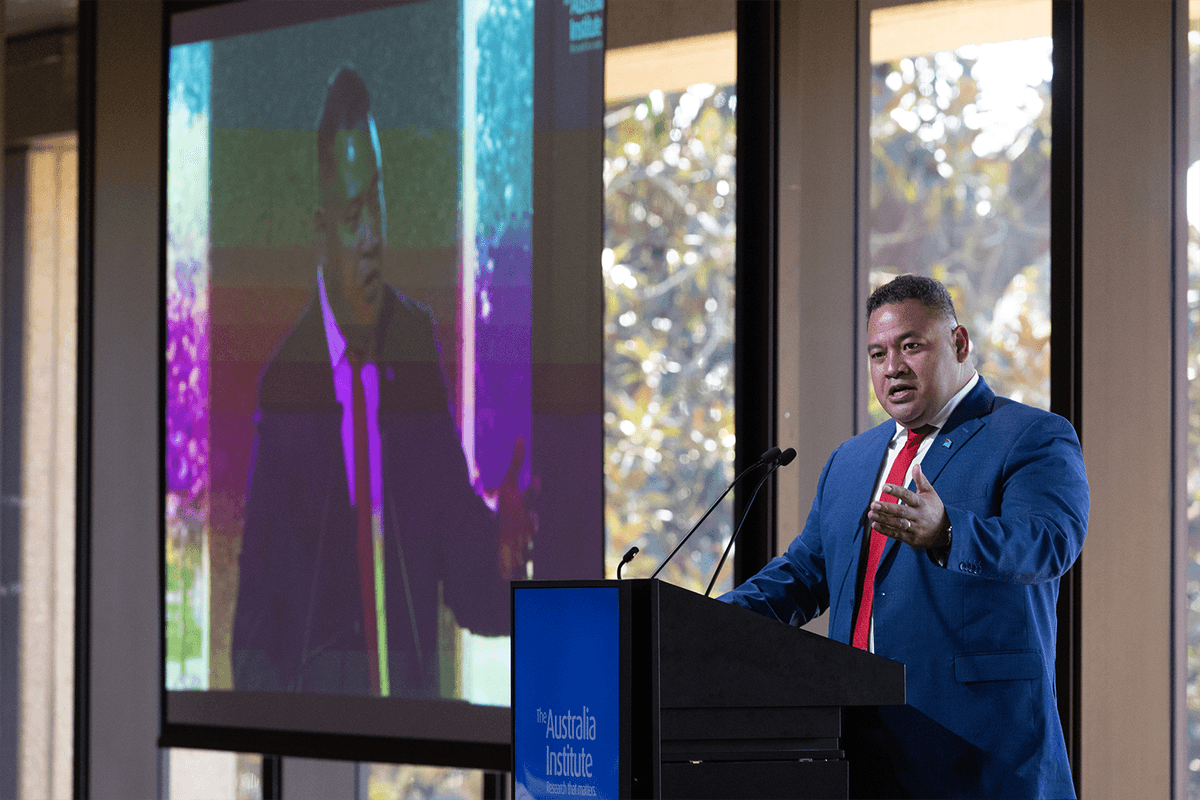
Speaking at the fourth annual Climate Integrity Summit, Tuvalu’s climate change minister, Dr Maina Vakafua Talia, said Australia’s climate policies don’t match its claims of supporting and helping to protect its neighbours.
“Tuvalu values Australia deeply as a member of the Pacific family, and as an important development partner and security partner, but true partnership must also allow for honest conversations,” Dr Talia said.
“There is a fundamental question of policy coherence.”
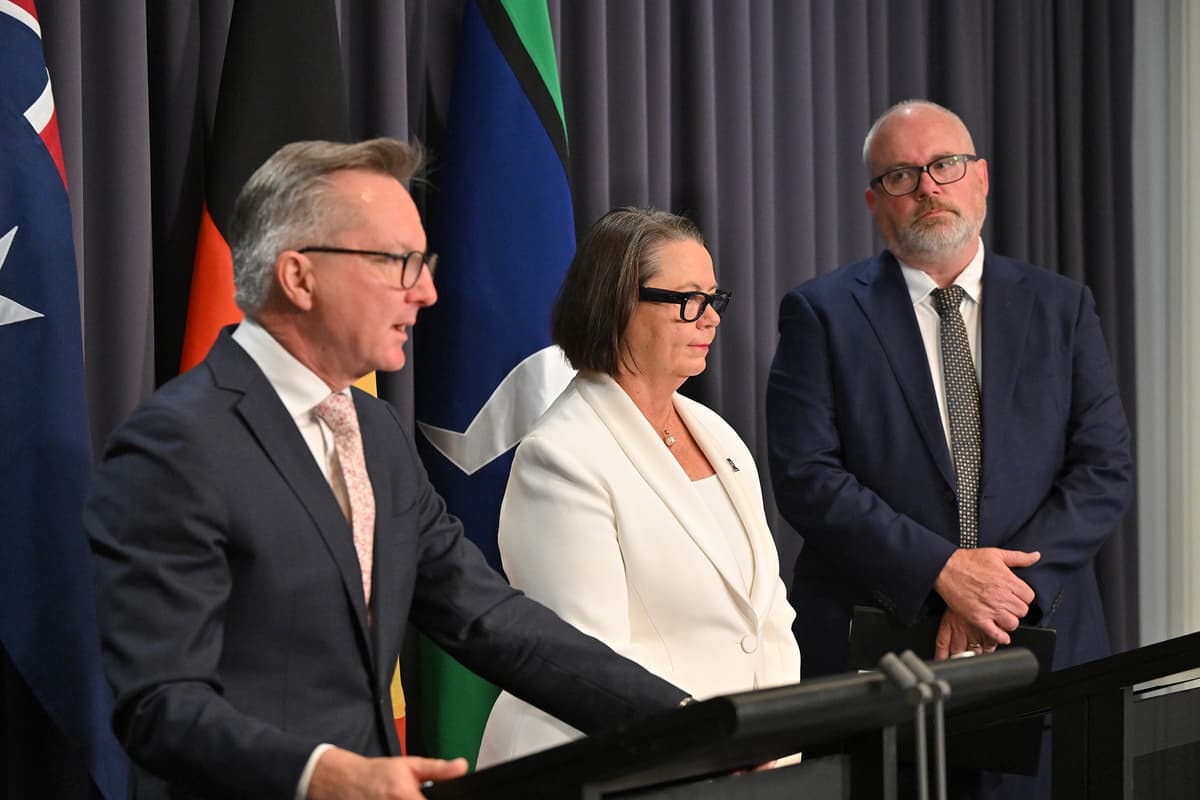
Prime Minister Anthony Albanese recently joined Energy Minister Chris Bowen and Pacific Island Affairs Minister Pat Conroy at the Pacific Islands Forum (PIF) in Palau.
Next month, Australia will host pre-COP climate talks in Fiji and Tuvalu, before presiding over COP31 negotiations in November.
While the government has promised to use its presidency to elevate Pacific priorities, Minister Talia challenged Australia’s climate credibility since it continues to support fossil fuel projects.
“Developing countries cannot be asked to undertake [a] difficult and costly transition while wealthier fossil fuel producers continue to be expanding production and supporting it through public incentives,” he said.
“What we are asking to see is greater coherence between what our partners advocate internationally and what they finance internationally, and the decision they make at home.”
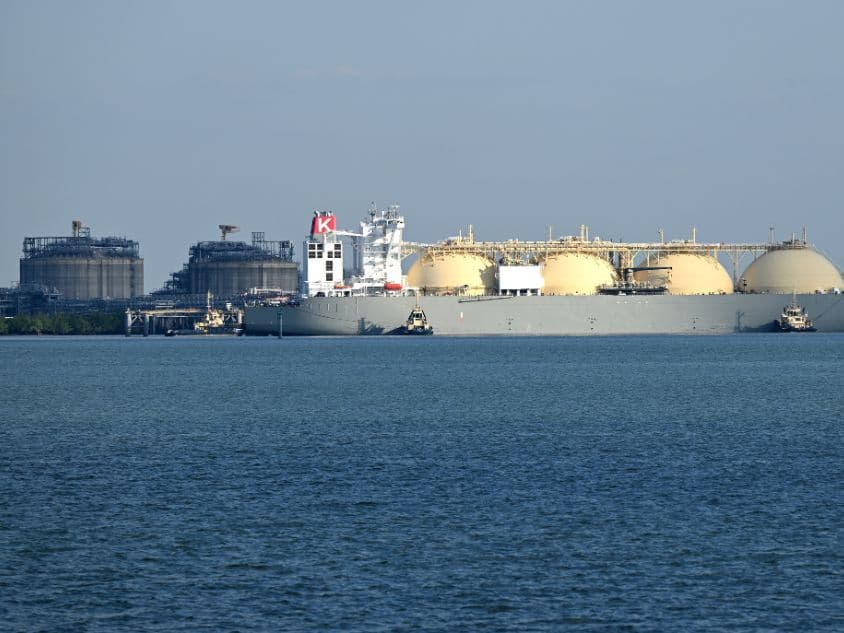
According to the Climate Council, the Albanese Government has approved 37 new, expanded or extended coal, oil and gas developments since coming to power in 2022.
Independent MP Nicolette Boele said the coming months would be a “serious test” for the Labor government, accusing it of claiming to champion Pacific interests before undermining them when it matters most.
“We are the kind of neighbour who delivers fresh cookies to your door while throwing our rubbish into your back garden,” she wrote in an opinion piece for The Point.
“There is an obvious reason for these double standards: Australia allows its climate priorities to be dictated by fossil fuel interests.”
Get our newsletter
Quality research, analysis, explainers and factchecks from experts you can trust.
Dr Talia said the first international conference dedicated to transitioning away from fossil fuels, held in Santa Marta, Colombia, in April, exposed the contradiction.
“Santa Marta (in Colombia) highlighted this misalignment and the urgent need for greater transparency and reform of fossil fuel subsidies and incentives across the globe,” he said.
“The challenge extends beyond any single country. Here in the Pacific, we have a particular responsibility to engage with our partners constructively.”
He pointed to a recent UN report warning that the world is now expected to exceed 1.5 degrees Celsius of global warming.
“Our dependency on industries that destroy our environment has exacerbated climate change, increased the frequency of disasters, and forced the overshoot of the 1.5 degrees Celsius, proving the complete failure of our current economic models,” he said.
The Minister called for a fast, fair and orderly transition away from fossil fuels, saying it was more urgent than ever.
Tuvalu is experiencing sea level rise much faster than the global average.
In a statement accompanying the UN report, Australia’s Climate Minister Chris Bowen acknowledged “our Pacific family [is] standing on the frontlines”.
But Minister Talia argued the “moral dimension of addressing climate change” was missing, accusing fossil-fuel-producing nations of prioritising profit and endless growth while exploiting nature.
“The debate is always on how nations rescue their own economies and the race to accumulate wealth for self-gain,” he said.
He also questioned the use of gross domestic product (GDP) to measure progress, saying an economic system that seeks to “exploit and bleed nature” was “absurd and unacceptable”.
He called on Australia to act in solidarity by using its financial resources and technical expertise to help Pacific nations transition away from fossil fuels.