The inevitable collapse of Pilot Energy last week is a familiar story that leaves the fate of the $200 million clean up of the Cliff Head oil platform hanging in the balance.
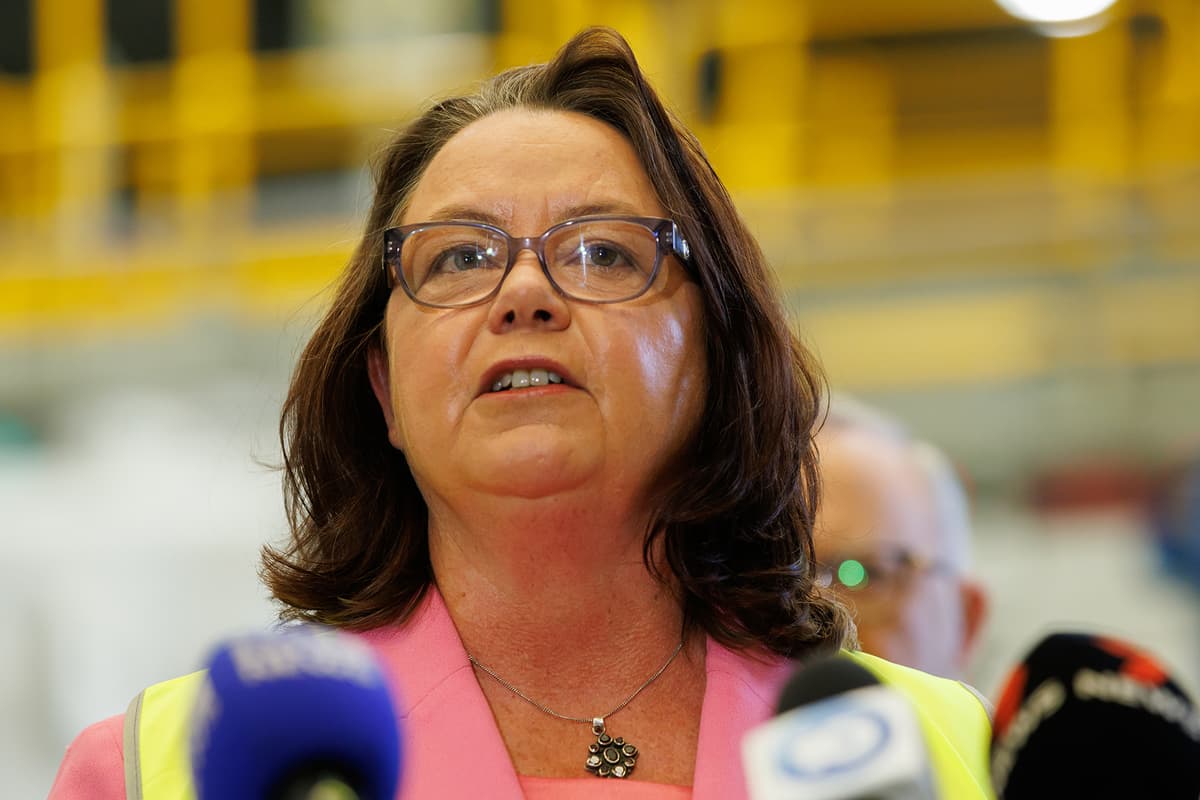
The Federal Resources Minister Madeleine King has now hurriedly threatened Australia’s remaining oil and gas industry with an emergency offshore clean-up levy – and rightly so. There is no way the Australian taxpayer should be left to pay for this mess. But this reactive panic could have been avoided. Relying on retrospective band-aids is a profound policy failure and is not a long-term solution as Australia transitions away from fossil fuels.
At the core of this crisis is an unacceptable and irreversible environmental risk. We are talking about thousands of tonnes of industrial steel, toxic drilling fluids, and aging subsea infrastructure left to corrode in our oceans. Oceans cannot become a toxic junkyard for the fossil fuel industry simply because operators are allowed to have a business model that fails to account for clean up.
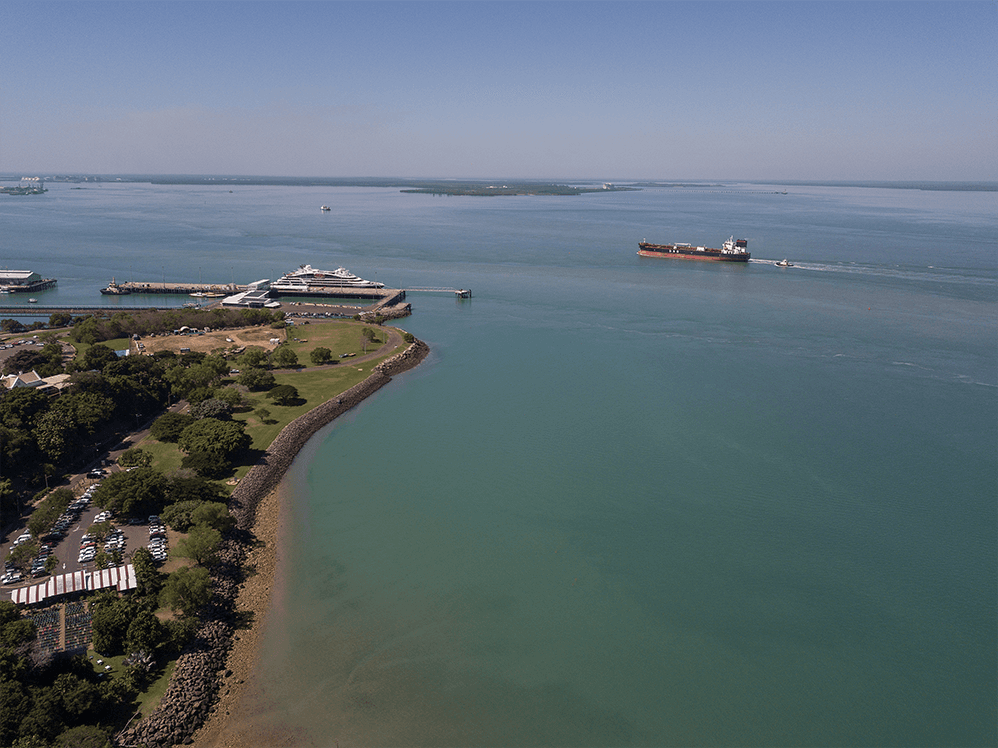
The Cliff Head platform sits just 11 kilometers off Western Australia’s Mid West coast in a delicate ocean ecosystem that supports diverse marine life. The longer it sits there, the higher the risk that these structures will inevitably break down under oceanic pressure, risking catastrophic hydrocarbon leaks and heavy metal contamination.
What we are witnessing at Cliff Head is a textbook case of corporate negligence and regulatory evasion. For years, Pilot Energy and its joint venture partner, Triangle Energy, played a high-stakes game of hot potato with their environmental liabilities. Instead of funding immediate decommissioning when production ceased in 2024, they pitched the “Mid West Clean Energy Project” – a speculative plan to convert the depleted field into an offshore Carbon Capture and Storage (CCS) dumping site.
Let’s be clear: CCS has become the ultimate decommissioning delay tactic. It is a PR smokescreen used by the oil and gas industry to kick the can down the road, keeping defunct assets alive on paper purely to defer the massive costs of actual environmental remediation – costs and remediation they explicitly agreed to as the basis of their rights to extract Australian fossil fuel reserves.
Pilot’s entry into administration is the scenario the Australian public was promised would never happen again. Following the infamous collapse of Northern Oil & Gas, which forced the Government to impose an industry-wide levy to fund the $1bn cleanup of the Northern Endeavour, the Federal Government has the opportunity to fix this system for good.
What Australia urgently needs is comprehensive “financial assurance” legislation – a fancy way of saying oil and gas companies must be able to demonstrate they have the financial means to clean up their toxic legacy from the ocean. The only way that “financial assurance” will actually be realised is if companies are forced to pay mandatory, up-front bonds.
By allowing Triangle Energy to structure a deal offloading its liabilities onto Pilot, a smaller, financially fragile company, regulators fundamentally failed. The combined market value of these two companies is less than five per cent of the estimated decommissioning cost. Government agencies watched this risk materialise in slow motion and did absolutely nothing to intervene.
Even more damning is the Federal Government’s complicity in this giant mess. Why did the government award this highly speculative project a $6.5 million grant for CCS technology, even handing over $3 million in taxpayer cash? Compounding this insult, these companies have been allowed to exploit Petroleum Resource Rent Tax (PRRT) refunds and rebates to subsidise their corporate shell games while avoiding their clean-up duties.
By throwing public money lifelines at these fossil fuel corporates, the government isn’t just failing to regulate; it is actively underwriting the climate crisis and extending the lifespan of polluting industries and continually using taxpayer funds to throw good money after bad. Public funds must stop flowing into propping up unviable oil and gas ventures under the guise of greenwashed CCS fantasies. Instead, this funding should be explicitly directed toward a strict, managed phase-out of fossil fuels.
As if all of the above wasn’t enough, the Pilot-Triangle sh*t show extends straight into the financial markets. Neither Pilot nor Triangle properly disclosed their asset retirement obligations (AROs) transparently on their financial statements. This lack of transparency is a systemic rot across the entire Australian offshore oil and gas industry, which faces a staggering $60 billion decommissioning liability. By masking these gigantic cleanup debts, oil and gas companies and their auditors are leaving everyday investors and superannuation funds dangerously exposed when these corporate houses of cards inevitably crumble.
The Pilot Energy collapse must be the final wake-up call. The Federal Government needs to end fossil fuel subsidies, close the PRRT loopholes, and immediately introduce strong financial assurance legislation. True leadership means forcing big oil to clean up its mess today, while drawing a hard line in the sand to halt new oil and gas expansions for good. Australia’s oceans, taxpayers, and the climate can no longer afford to foot the bill.
Amanda Holly is the Manager of Corporate Advocacy and Engagement at The Wilderness Society