I’ve spent most of my life feeling like I exist between worlds.
I’m a mixed-race woman. If I lean too far into my Indigenous identity, I feel like I’m denying my incredible father, who gave so much to raise me. If I lean the other way, I feel like I’m ignoring a side of myself that feels instinctive. It’s something a lot of people don’t see when they talk about identity in Australia, like it’s black and white.
For me, the one place where that tension quiets down is on Country.
There’s a feeling I get when I go home – out bush, away from everything. It’s hard to explain properly, but it’s a parent wrapping their arms around you without judgment. I don’t need to prove anything there, and I don’t need to explain who I am or where I fit. I just am.
And it’s something I carry with me everywhere. When I’m overwhelmed, I go back there in my mind, and it grounds me in a way nothing else can.
That’s why what’s happening to Country right now feels so personal.
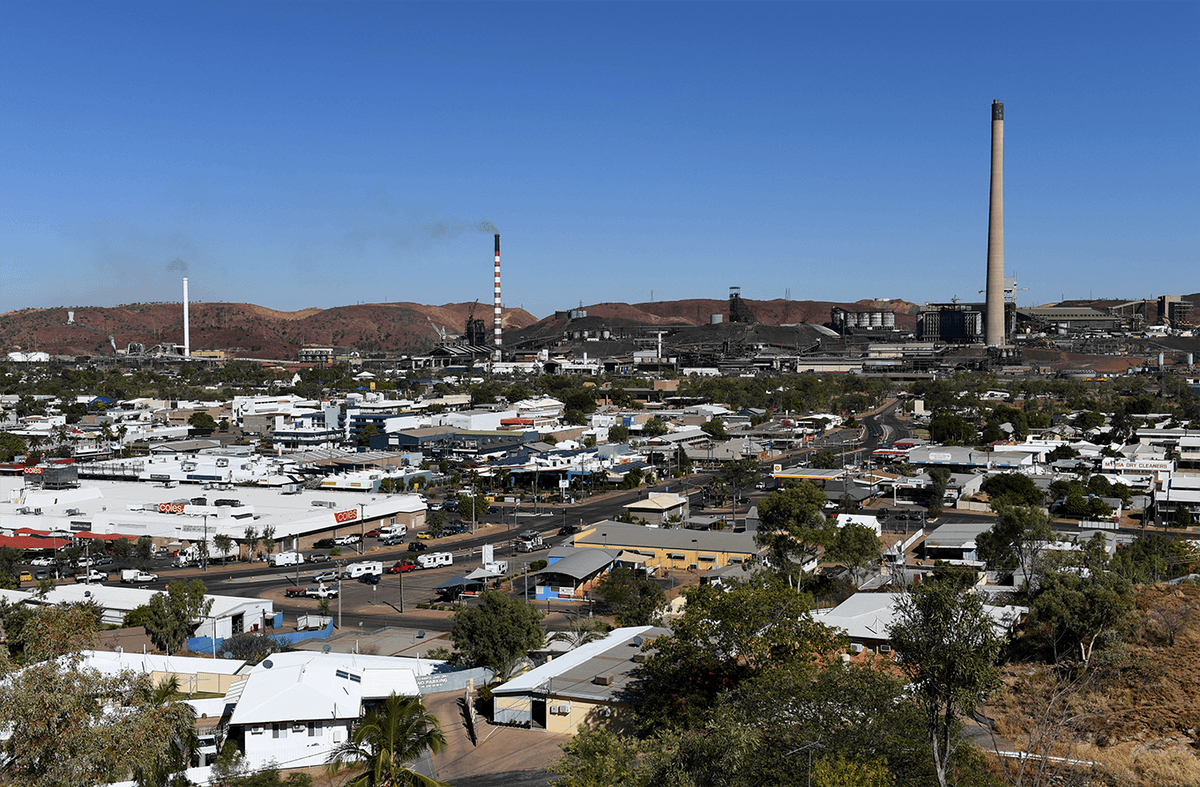
A few weeks ago, I went home to Kalkadoon Country, Mount Isa in Queensland, and something was off.
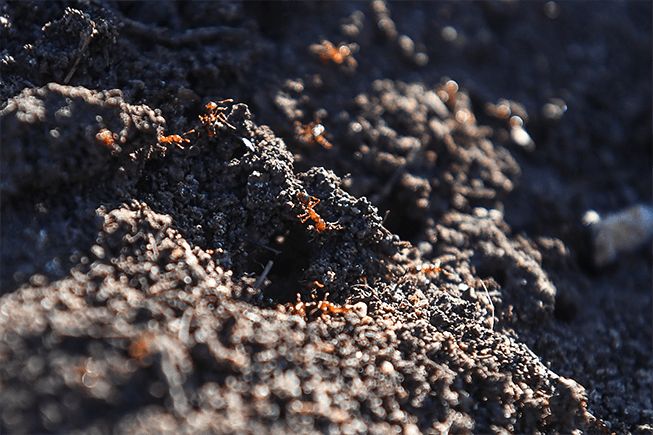
The landscape didn’t look the same, it didn’t smell the same, and it was this unnatural, almost radioactive green. Buffel grass. Thick, choking, everywhere. Covering the ground where red soil and native plants used to be, and changing how the place feels, moves, and lives.
My home felt different.
That’s the thing about invasive species. People talk about them like they’re just weeds or pests. But for a lot of us, it’s a direct hit to identity.
Country isn’t just land. It’s culture, it’s story, and it’s family.
My mum passed away when I was 12. Going back to that place – where she grew up, where I grew up – it’s one of the few remaining ways I stay connected to her. When that place changes, when it degrades, it’s not just environmental loss, it’s reliving a type of loss that I don’t wish upon anyone but know everyone shares at some point.
And I don’t think enough people are sitting with that reality.
Australia has already taken so much from Country and Aboriginal people through colonisation. And there’s been so much resilience just to hold onto what remains.
Are we really comfortable, after everything, to be responsible for the erosion of the very places and species a culture is built on?
Because that’s what’s happening.
When invasive species take over, they don’t just replace plants and animals; they alter ecosystems, change fire and weather patterns, wipe out native species, and transform landscapes that have been known and cared for for tens of thousands of years. And culture goes with them.
What makes it harder is that, as a country, we’re still so caught up in division. We’re still arguing about who belongs, who gets a say, and who gets to feel connected. Meanwhile, the one thing that could actually bring us together – Country – is being degraded in real time.
What a missed opportunity.
Because connection to Country shouldn’t be exclusive. Yes, Aboriginal people have the deepest, oldest connection to this land. That’s not up for debate. But that doesn’t mean others can’t form their own connection too. In fact, they need to.
If you live here, if you’ve grown up here, if this is your home – then your wellbeing is tied to the health of this place, whether you realise it or not.
And maybe that’s where we start to move forward.
Not by arguing over identity, but by recognising a shared responsibility. By understanding that caring for Country isn’t just an environmental issue – it’s about who we are, and who we want to be.
Because without that connection, people become untethered. You see it everywhere – a lack of purpose, of belonging, of care. Humans need those things; we’re wired for it.
Country has always offered that.
But once it’s gone, you don’t get it back.
For me, that is a tragedy. That the one place I’ve always been able to return to – the one constant in a life that’s often felt split in two – is no longer guaranteed if things continue the way they are.
So when we talk about invasive species, it’s not just about weeds or pests or funding or policy.
It’s about whether we’re willing to protect the things that actually anchor us.
And it’s about whether, as a country, we finally decide that this place – this shared home – is worth fighting for, together.
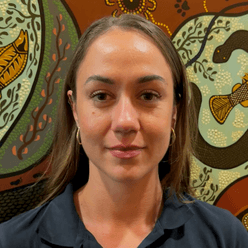
Taigen Ryan, Invasive Species Council Voice of Country Campaign Lead