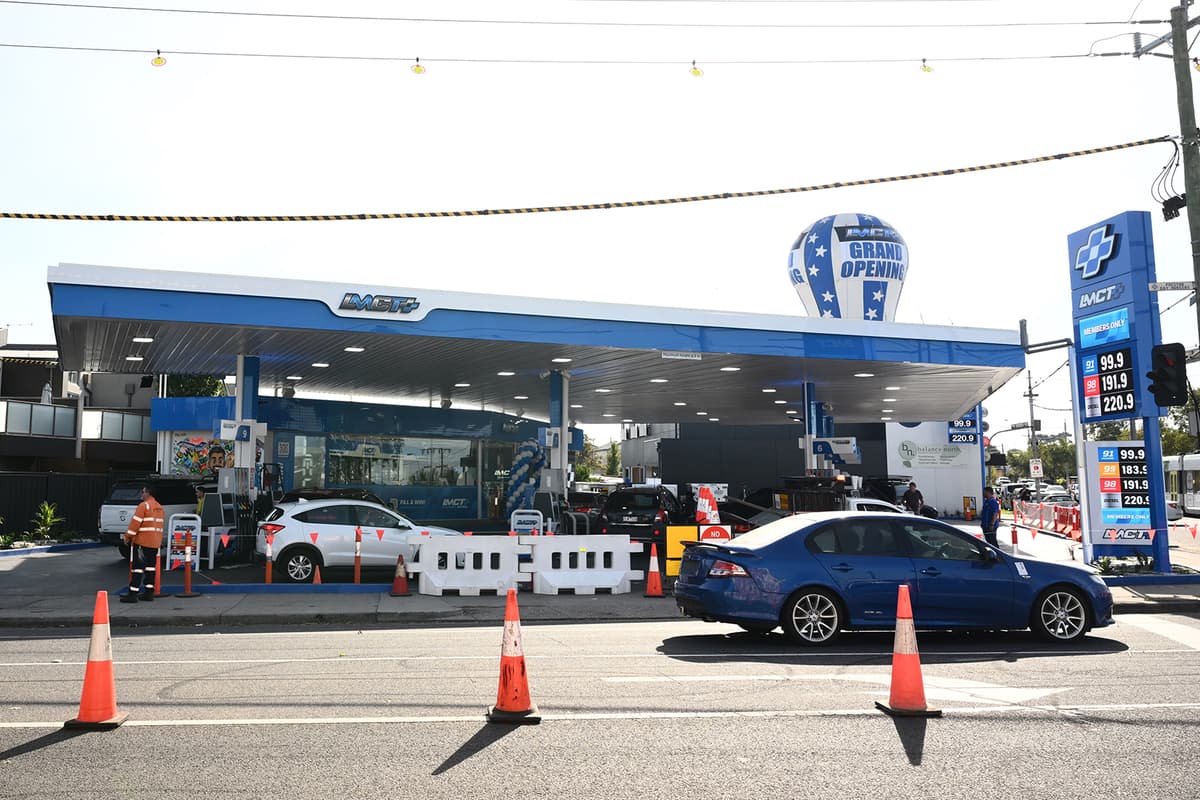
Most Australians will notice higher fuel prices at the petrol station. Frontline community services will notice them in the growing number of people seeking help. The end of the temporary fuel excise relief will once again push up the price of filling the tank for Australians. For some, it will be an unwelcome but manageable increase. For many, there is no room left in the household budget to absorb another hit.
We’ve seen this before.
Earlier this year when fuel prices surged, UnitingCare services across the country saw demand for emergency relief rise by as much as 35 per cent and financial counselling up to 25 per cent. Behind those figures were people being pushed to make impossible trade-offs. Whether they pay the power bill or do the weekly grocery shop, or whether to put fuel in the car or risk getting behind in rent.
But as financial hardship escalated, so too did the gap between the number of people seeking support and the number of people services could assist. The safety nets people rely on in times of crisis are being stretched thinner and thinner as demand continues to rise.
We know more Australians will struggle as fuel relief ends, so we must also ensure the services that help them through these difficult times are funded to meet that demand.
In January, emergency relief providers across the UnitingCare network reported unmet demand of 73 per cent, which creates a growing pool of people left waiting for support or missing out altogether.
This is what happens during economic shocks. Demand can rise almost overnight, but community services cannot expand overnight.
The Government’s temporary fuel excise relief and additional $11.7 million investment in emergency relief and financial counselling services helped ease some of that pressure. Unmet demand declined 44 per cent, showing that this targeted, cost-effective intervention ensured more people could access support when they needed it most.
But the gap never disappeared.
In July, unmet demand across the UnitingCare network was still averaging 49 per cent. Even with additional funding and lower fuel prices, many services continued to report demand they could not fully meet.
What was striking was not just the scale of the demand, it was who was seeking help.
Older people living in their cars, dipping into their superannuation and cutting back on essential medications just to get by. For families with both working parents, two incomes were no longer enough to keep a roof over their heads, food on the table and fuel in the tank without seeking help.
These stories reflect a growing reality that financial stress is extending well beyond traditionally vulnerable groups and into households that would once have considered themselves financially secure.
Even with fuel excise relief in place, UnitingCare financial counselling services are still reporting high numbers of first-time clients, a clear sign that financial pressure is reaching people that never expected to need help.
This should concern all of us. Because when help isn’t available, people do whatever they can to get by.
UnitingCare providers heard stories of people reducing food consumption or skipping meals entirely, simply so they could afford fuel to get to work or take their children to school. These are not budgeting decisions – they are survival choices.
Governments cannot shield Australians from every global market disruption, and the fuel excise relief was always intended to be temporary. But while this policy may have an end date, cost-of-living pressures do not.
We already know what happens when fuel prices rise. We have seen the surge in demand, the widening gap between those seeking help and those able to access it, and the pressure placed on already stretched services.
That is why the Government must invest in emergency relief and financial counselling services. Not just because it is a compassionate decision, but because it is a practical, proven investment in the support systems that become a lifeline for people during economic shocks.
Tamara Thomas is the National Director of UnitingCare Australia, representing the country’s largest network of community and care service providers.