Democracy is under pressure around the world. Over the last decade, the number of people living in democracies fell by 400 million as more countries have taken an authoritarian turn.
There are warning signs in Australia too. Last year, the major parties voted together to make it harder for independents and minor parties to raise money. The right to protest has been restricted and criminalised, often to protect fossil fuel, arms manufacturer or logging interests, and Western Australia is the latest state to attempt to restrict free expression even further.
The NSW Independent Commission Against Corruption (ICAC) is investigating allegations that Catholic Schools NSW secretly channelled money to hardliners to influence NSW politics. Meanwhile, ICAC’s federal equivalent has never held a public hearing that might shine a light on corruption.
In the context of this malaise, Four Corners has turned its attention to one of the more visible examples of corporate influence in democracy, Australia’s professional lobbyists.
A lobbyist is anyone who spends a significant amount of their time trying to influence the thinking of politicians.
Lobbying regulation is poor. The lobbyist code of conduct is toothless, and only for-hire lobbyists are required to register. In-house lobbyists like a company’s government relations managers or the staff of an industry lobby group are off the books.
Nor do Australians know who lobbyists are meeting with. The meeting diaries of federal minsters and their staff are kept secret, even though state governments routinely publish their diaries.
Many lobbyists are recruited from public service (as a politician, political staffer or public servant), with the risk that they will take advantage of their knowledge and networks for private ends. Called the “revolving door”, rules about moving between the public and private sectors are weak and poorly enforced.
Better lobbying regulation could improve public confidence in government.
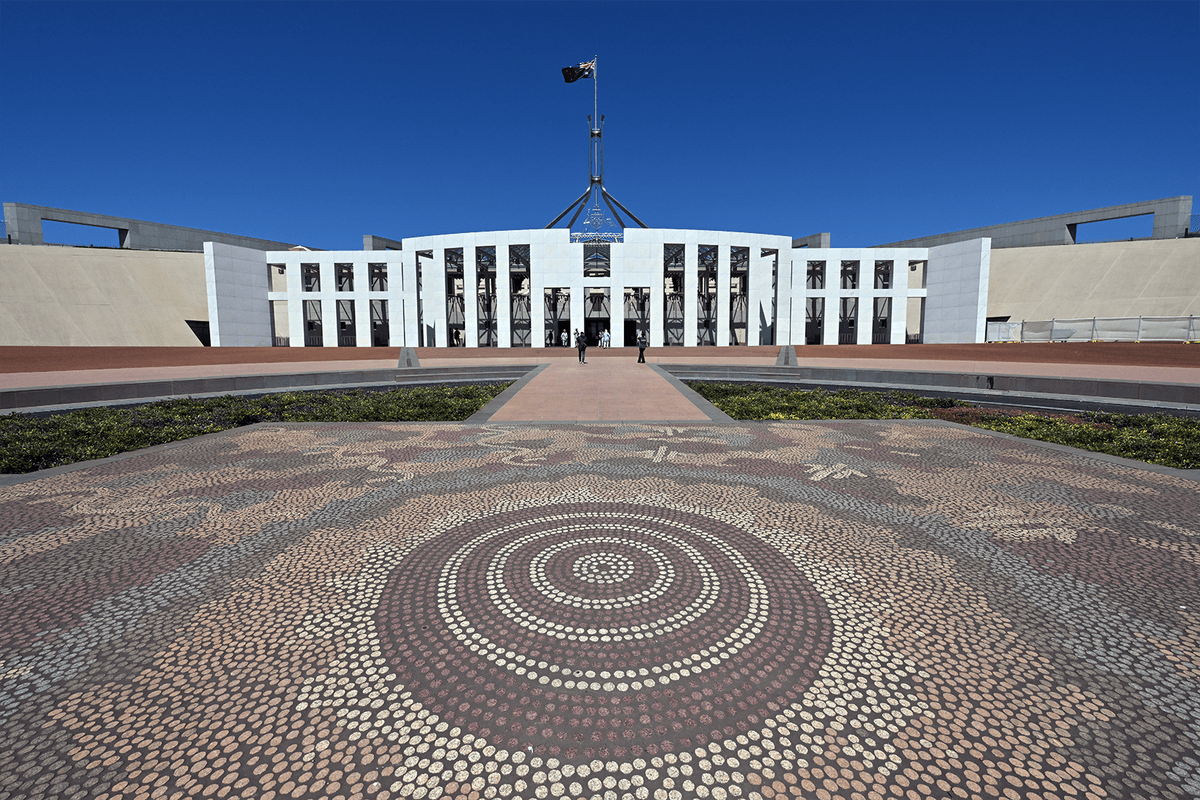
But for all the talk of “open government”, little attention is given to literally opening up Parliament House: making it easy for members of the public to get inside the building.
Perversely, it is more hassle to get into the back areas of Parliament once than it is to get a pass that gives regular access for three years.
That mismatch contributes to the exclusivity that lobbyists enjoy, and further isolates politicians from the people and communities that they represent.
Get our newsletter
Quality research, analysis, explainers and factchecks from experts you can trust.
And although lobbying warrants regulation, it would be a mistake to exaggerate its influence. Labor backbencher Mike Freelander told Four Corners where the threat lies:
The prime minister is very worried about making enemies of very powerful groups. We saw that years ago when we tried to rein in the pubs and clubs around poker machines.
The gambling industry’s ability to hurt the government is not based on how many lobbyists it employs. Industry can bring power to bear through tens of millions of dollars of paid advertising and constant press coverage from friendly media companies, just as the mining industry did in 2010 to sink Kevin Rudd’s mining super profits tax.
Australia is particularly vulnerable to a media pressure campaign because ours is one of the most concentrated media markets in the world. Media distortion is taken for granted, with the Australian Financial Review saying it is “unrealistic” to expect billionaire media investors like Gina Rinehart to refrain from “influenc[ing] the cultural and political posture of their outlets”.
The gambling industry has even used direct, unpaid on-site advertising to protect their gambling profits. In the 2018 Tasmanian election, the industry put big banners on the sides of pubs and clubs: “LABOR & THE GREENS THINK YOU’RE STUPID.”
The Albanese Government is out of step with public sentiment on gambling reform. Three in four Australians support a ban on gambling advertisements.
No doubt the gambling industry’s lobbyists helped smooth the way for weak gambling laws.
But lobbyists are not hypnotists. They cannot make a politician do anything the politician does not want to do. The Albanese Government failed to ban gambling ads because they weren’t prepared to pay the political price for doing so. They feared the anger of the gambling industry more than they feared the anger of the Australian public.
If democracy is to thrive in the 21st century, people power must grow relative to corporate influence. Regulating corporate lobbyists is worth doing for its own sake, but it will not reduce the power and selfishness of the vested interests behind those lobbyists, nor will it expose corruption or restore confidence in government.
Correcting that imbalance – by defanging and discrediting industry to make it less scary and by mobilising the people to make them scarier – is the only way to get the gambling reform that Australians want, let alone a fairer economy, healthy environment and better education and healthcare.
When enough public pressure is brought to bear, there isn’t a lobbyist in the country who can stop it.
Bill Browne is the director of the Democracy & Accountability program at the Australia Institute