Western Sydney is one of Australia’s most culturally diverse and fastest-growing regions. But while diversity is one of the area’s greatest strengths, it does not alone guarantee social cohesion. Beyond an acceptance of diversity and the ability that different groups may have to coexist in relative harmony, social cohesion is shaped by both tangible and less tangible factors. These include access to services, participation in community life, trust in institutions, and a feeling of belonging.
The new policy brief Building Belonging: Social cohesion in Western Sydney identifies practical policy directions to strengthen these conditions. This brief was shaped by consultations with community organisations across Western Sydney and indicates how policy can better support inclusion, trust, participation and belonging in one of Australia’s most multicultural regions. In other words, rather than enforcing ad hoc mechanisms or preventative laws, the starting point for policymakers is to identify and support those conditions that enable diverse communities to thrive together.
Social cohesion requires more than community goodwill
Social cohesion is often framed as something that communities themselves are responsible for both creating and maintaining. Yet, the reality is that cohesion is strongly influenced by public policy and institutional design.
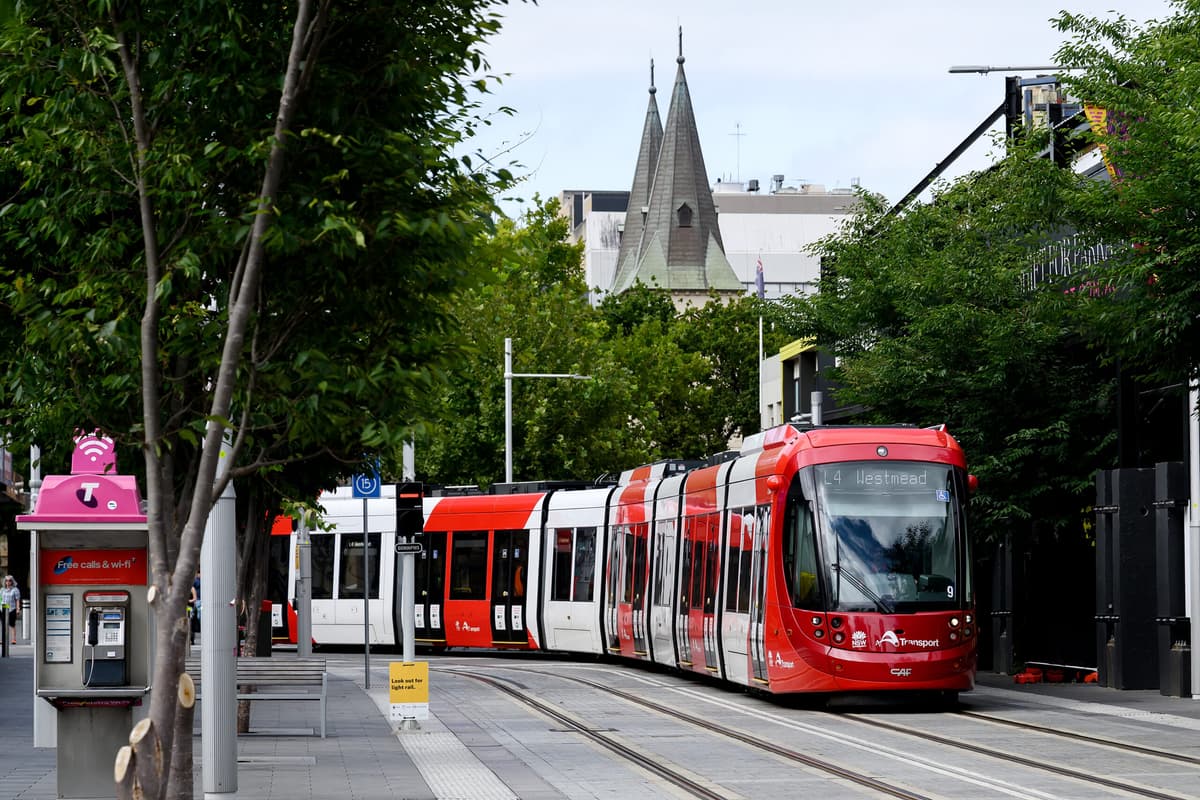
For example, access to services encompasses a range of issues that require policy attention and effective design. Services might need a functioning and affordable public transport to be accessed. If provided online, these require that people have the relevant skills but also facilities to use technology. In both scenarios, services need to be available in a language that people can understand.
Additionally, seeking assistance from available services requires that communities have trust in the institutions they are liaising with, either directly or indirectly. This trust is typically built through consultation and participation, which see community members having a say in the decisions that are being made.
Although not always apparent, systems put in place by governments are interconnected, and they can both enable and hinder inclusion. This is why strengthening social cohesion requires investment in those mechanisms that support everyday participation.
Three policy priorities
The eight recommendations offered in the brief are reflected in three priority groups:
1. Invest in Trust
Get our newsletter
Quality research, analysis, explainers and factchecks from experts you can trust.
Community-based organisations play a key role in Western Sydney. In addition to offering critical services, these organisations have a strong place in the lives of the diverse communities in the area; their staff are local community members with lived experience and strong knowledge of the challenges faced by residents. These organisations are also crucial in facilitating and supporting community-led initiatives, including cultural and sport events. Since the focus, for social cohesion, needs to be on building relationships rather than one-off projects, ensuring long-term funding for their work is critical. This allows trust to be developed through sustained engagement.
2. Make services easier to access
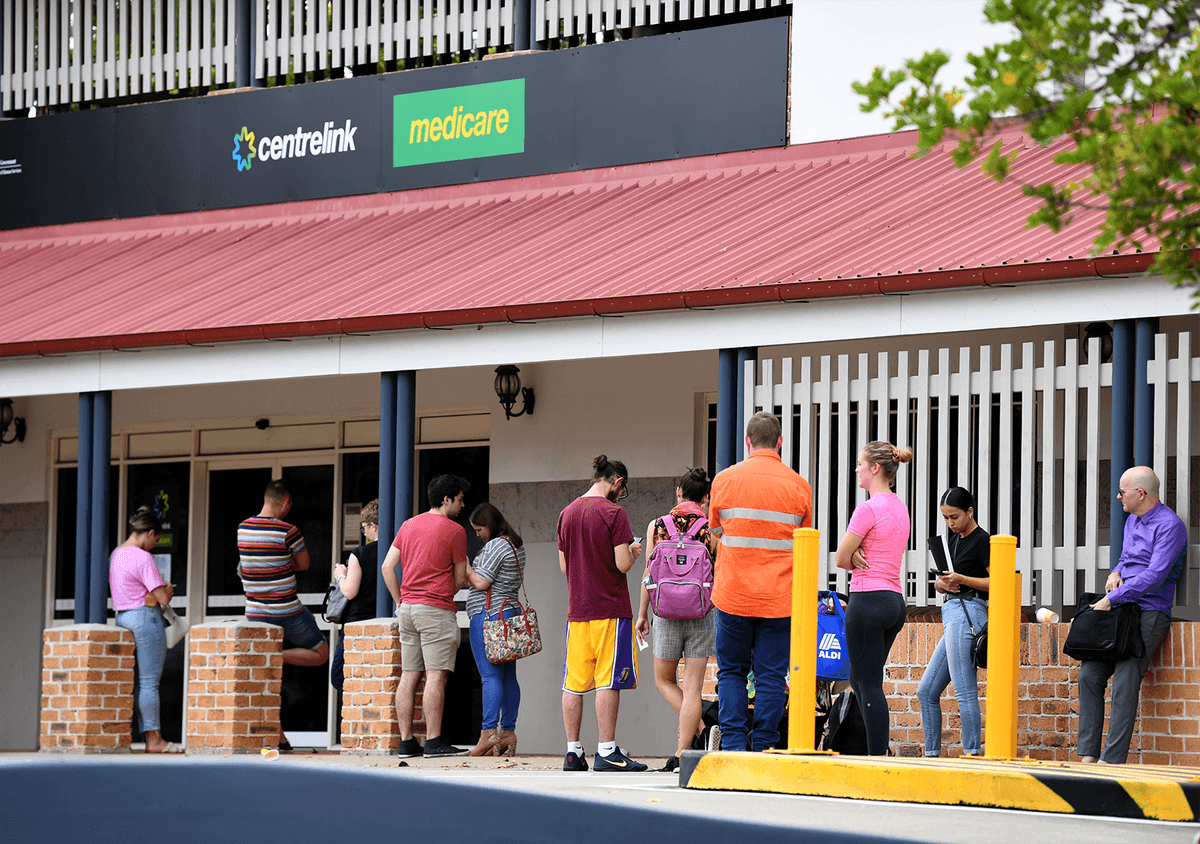
Community service hubs that provide integrated services, are easily accessible (including by public transport) and offer language support are essential. Strengthening these platforms is critical for effective policy on social cohesion. Access is a prerequisite for participation, and communities must be able to recognise ‘safe places’ where help can be sought.
3. Building belonging through institutions
Belonging is created through everyday interactions with public institutions. This is why programs delivered in schools, anti-racism initiatives and mental health support form part of an important delivery structure for public institutions to engage in. Settlement and integration pathways are also meaningful mechanisms through which social cohesion is shaped. Policy approaches that enhance intercultural connections and enable bonds both between different communities and with kinship networks lead the path towards a cohesive integration.
Looking forward
Western Sydney demonstrates that, rather than hindering communities, diversity creates new opportunities. The challenge does not lie in the way it is managed: it is rather found in how effectively institutions respond to it. Policies that strengthen trust, improve access and facilitate participation, will not only contribute to stronger communities but also to more effective public institutions.
Building social cohesion in Western Sydney requires more than celebrating diversity. It requires sustained investment in the policies, services and location partnerships that enable every community to contribute and belong.
Dr Valentina Baú is Co-Director of the Humanitarian and Development Research Initiative (HADRI) and Senior Research Fellow at Western Sydney University.