In the face of surging support for One Nation, driven by cynicism about politics and vested interests, WA Labor chose to run a current Woodside lobbyist in the Secret Harbour by-election, with disastrous results.
In contrast, One Nation acknowledged Australians are “rightly unhappy” with the lack of return Australians get for our resources and promised to give Australian taxpayers “vastly greater returns.”
Federal Labor needs to hear the alarm from WA Labor’s disastrous loss in Secret Bay. Seizing the opportunity to implement the wildly popular 25% gas export tax would show they are prepared to fight for a better deal for Australians, instead of defending the toxic status quo.
The gas industry’s influence on the Labor Party is legendary. Particularly in Western Australia, where the Premier regularly lobbies on behalf of gas giant Woodside, whether it is to pressure the federal Government to approve the extension of Woodside’s controversial North West Shelf gas export project, its Browse gas export project, to kill environmental law reform that would adversely affect Woodside, or against the 25% gas export tax that would be great for Australians but bad for…you guessed it, Woodside.
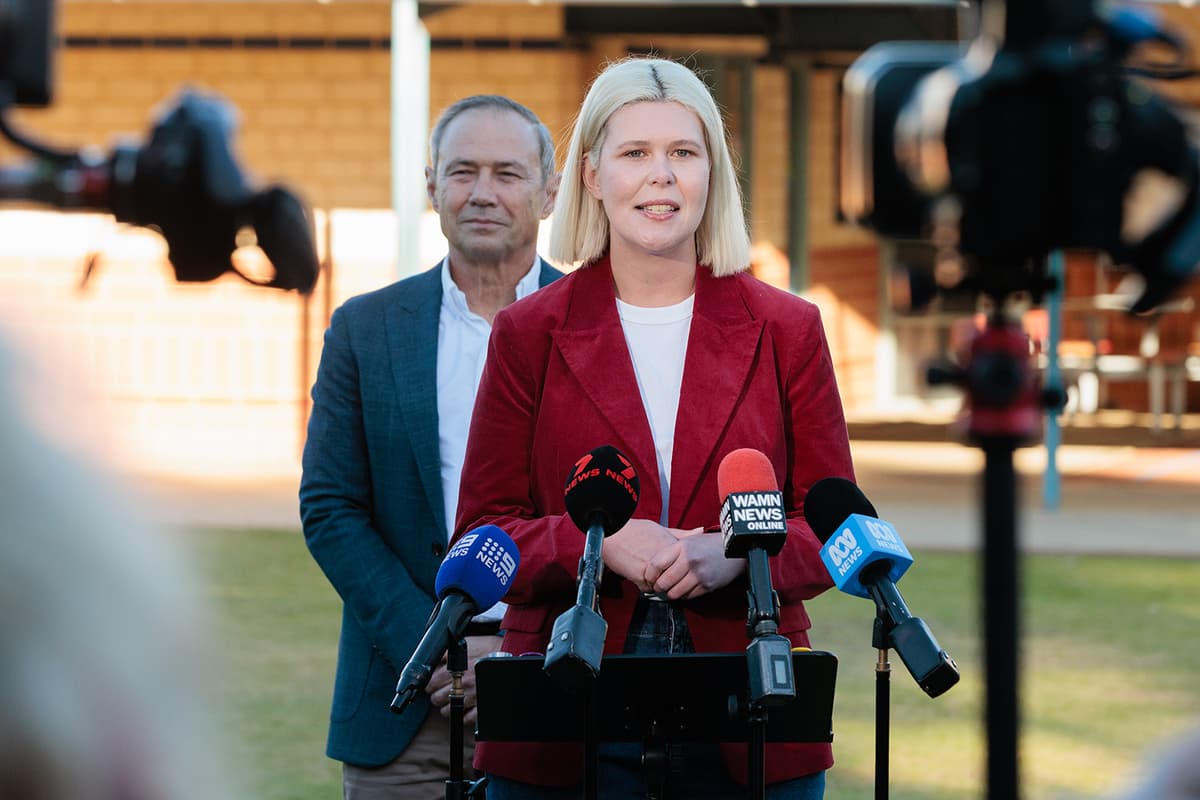
But this time, Labor has decided to cut out the middleman and run a “government relations” executive, aka lobbyist, currently working for Woodside in the by-election for the usually safe Labor electorate of Secret Harbour.
The practice of gas industry executives moving between political offices is known colloquially as the “revolving door.” The practice drives cynicism about politics, because it entrenches corporate control of government, creating the perception, if not reality, of politicians pushing gas industry interests ahead of the interests of ordinary people. Notorious examples of the revolving door between government and the gas industry include Labor’s former Energy Minister Martin Ferguson working for the gas industry lobby group APPEA, and former Liberal resources Minister Ian McFarlane and former WA Labor Treasurer Ben Wyatt joining the Woodside Board.
Georgia Tree, Labor’s candidate for Secret Harbour, is a textbook example of the gas industry revolving door. Having been employed by notably pro-gas federal Resources Minister Madeleine King, herself a protégé of former Labor Minster Gary Grey (who was also a Woodside Executive), she moved straight to a job as a Woodside lobbyist, and was pre-selected as the Labor candidate, while apparently still a Woodside employee.
To remove any doubt about who she planned to represent, Georgia Tree publicly declared she is a pro-gas candidate.
The reason this revolving door politics is so corrosive to our democracy is that it can create the perception that politicians are making decisions for the benefit of corporate interests, including the gas industry, rather than the interests of ordinary Australians.
Get our newsletter
Quality research, analysis, explainers and factchecks from experts you can trust.
Putting the interests of multinational gas giants ahead of the interests of Australians has serious real-world consequences.
Australia Institute research shows the approval of Woodside’s massive gas export projects will undermine WA’s domestic gas supply and drive-up local gas and electricity prices. They will also have devasting impacts on the climate with up to 4.3 billion tonnes of emissions, risk WA’s unique marine environment and degrade our heritage.
Which brings us to the rise of One Nation.
Cynicism about politicians is undoubtedly a driving force behind the rise of One Nation. The national mood is that politics as usual is failing ordinary Australians, and that politicians put vested interests and their own interests ahead of voters. In that context, fielding a Woodside lobbyist was a disaster.
In fact, given Georgia Tree has been a Woodside lobbyist over the last 12 months, it seems likely she would have lobbied against the popular 25% gas export tax aimed at getting a greater share of gas export revenue for ordinary Australians.
Pauline Hanson has proposed replacing the broken Petroleum Resource Rent Tax (PRRT) with royalties, that the Australian Government take an ownership stake in new gas projects and put in into a sovereign wealth fund, and giving the industry generous tax breaks to encourage more drilling.
Whether or not One Nation’s proposals would result in “a massive shift in how Australia gets returns in its resources” as Pauline Hanson claims, One Nation at least addressed the issue of the gas industry ripoff, while Labor’s message in fielding a gas industry lobbyist was that nothing would change.
Federal Labor needs to hear the alarm and seize the opportunity of the wildly popular 25% gas export tax to get a better deal for Australians, instead of defending the toxic status quo.
Mark Ogge is widely published on climate and energy issues, specialising in the gas industry and the impacts of climate change, particularly the effects of heat and heatwaves. He is Principal Advisor at The Australia Institute.