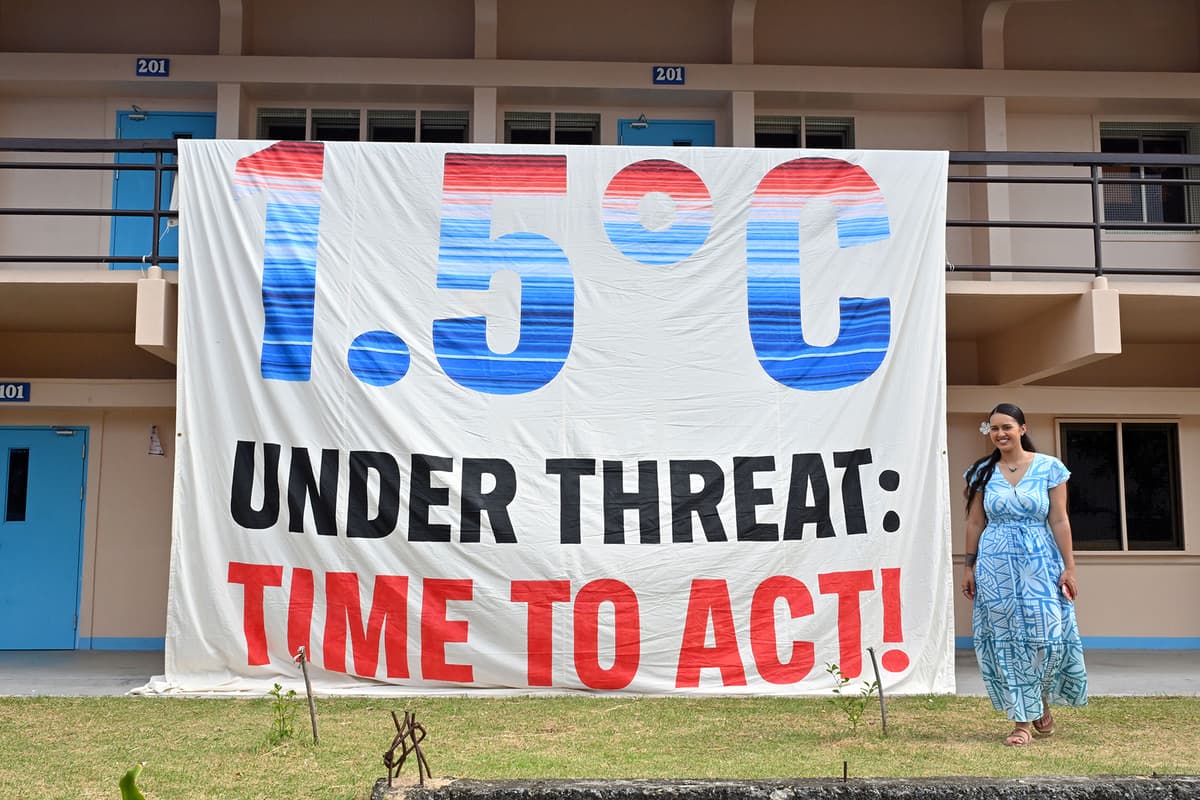
The UN Environment Programme’s new report, Limiting Overshoot, makes for frightening reading for young people across the Pacific. It confirms what we have been warning for years: because the world chose not to stop burning fossil fuels, global temperatures are now set to cross 1.5°C, most likely within a few years. Those temperatures can still be brought back down over time, but only if the world finally does what the science has long demanded.
To an outsider, 1.5 can sound like just a number. For us it means something far larger: our future, our families, our culture and our environment. “1.5 to stay alive” has never been just a slogan. It is our reality. Crossing it means dead coral reefs, rising seas that swallow our homes and our crops, and the loss of coastal places that hold our culture and our history. It means the future we imagined for our children is quietly taken from us.
We have been betrayed by the world, and we grieve that. But our grief is not our surrender. This report is not a moment for the world to throw up its hands, and it is certainly not permission for fossil fuel giants to keep drilling and digging. It is the moment our fight must accelerate, because what we are fighting for is our lives. We are not begging for action, we are demanding it. And international law is on our side.
This news arrives after the International Court of Justice told the world that the 1.5 degree target is not optional. It is the agreed primary temperature goal, and states are legally bound to pursue it. We know exactly what that ruling says, because it was the Pacific, supported by Pacific youth, who took this fight to the world’s highest court.
The Court was clear that the duty of care owed here is stringent. It is not fixed. It rises with the probability and the gravity of the harm foreseen. This report draws the obvious conclusion. Exceeding 1.5 does not suspend the law. It does not create a new, more forgiving standard for the states that brought us here. It does the opposite. The further past 1.5 the world goes, the more the law demands of those responsible.
And the Court named what that means in practice. Fossil fuel production. Licensing. Subsidies. A failure to act in these areas may amount to an internationally wrongful act. That finding does not soften because a threshold has been crossed. It hardens.
The report sets out the one path still open to us: overshoot 1.5, then bring temperatures back down as fast as we can. Every new fossil fuel project pushes that path further out of reach. So to polluting countries we say: we are not asking for your goodwill. We are telling you what international law requires of you: end fossil fuel expansion. No new coal, no new oil, no new gas. Your corporate profits cannot be allowed to extinguish our future.
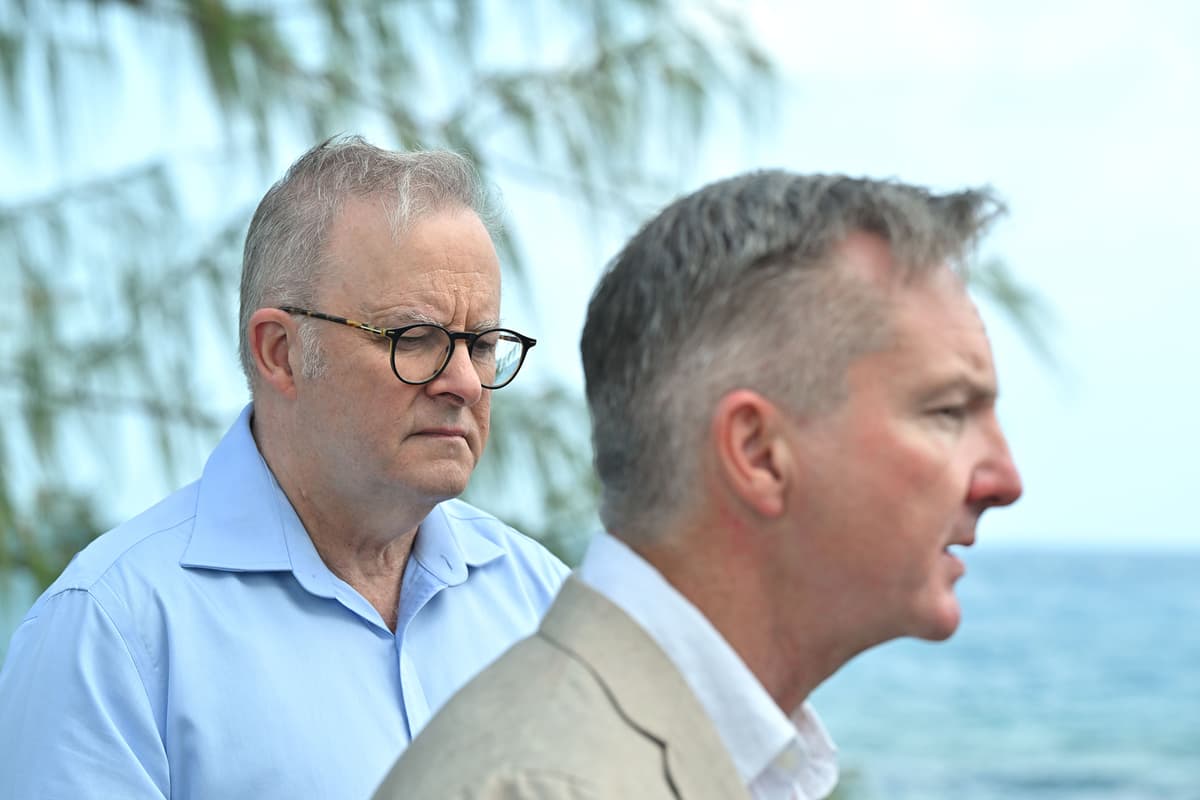
This report landed as our leaders gathered for the Pacific Islands Forum in Palau, one of the most climate-vulnerable countries on earth. The Forum is meant to be the Pacific family around one table. On climate, that table seats some of the world’s most effective climate leaders directly across from one of its largest fossil fuel exporters, Australia.
It is hard to hear the Australian Government speak of partnership and family at the Forum while it keeps waving through fossil fuel projects that will pour out the very emissions now drowning us. The Beetaloo Basin, one project still under consideration, could release up to 117 million tonnes of greenhouse gas emissions a year, on the Northern Territory Government’s own estimate. That is more than a fifth of Australia’s entire annual emissions, from a single gas basin. Approving it would be incompatible with any credible path back to 1.5.
We can no longer look past a country that grows richer on fossil fuels at our expense, opening new coal mines and gas fields in the face of overwhelming science. So we have to ask, plainly: is Australia part of the Pacific family, or not? If it is, then it must act like it, and stop hurting us. It must choose, finally, to turn away from fossil fuels.
The loss of 1.5 is not just a tragedy. It is a wake-up call.
We in the Pacific are used to having to fight to be heard. And today we mourn the coral reefs, the atolls and the coastlands that human greed and selfishness will now surely take from us.
But tomorrow we will get back up, and fight to claw our way back to a world where we can still live on our own land, scarred but not destroyed.
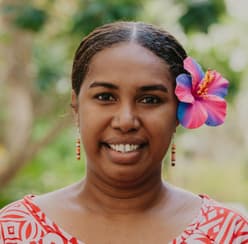
Belyndar Maonia Rikimani is the Campaigns and Research Lead for Pacific Islands Students Fighting Climate Change.
Belyndar is from Solomon Islands and has been part of the Pacific Islands Students Fighting Climate Change since 2019. She holds a background in Bachelor of Laws and a Professional Diploma in Legal Practice from the University of the South Pacific and strongly believes that to have effective advocacy in Climate Justice there needs to be more emphasis in intergenerational equity and youth leadership from all levels.