The people most affected by climate change are missing out on the benefits of the energy transition and household electrification.
As more and more extreme weather events occur, everyone is impacted but people experiencing disadvantage are much less able to absorb the health and financial costs.
The energy transition is an opportunity to ensure cleaner and cheaper energy can be enjoyed by everyone, while also addressing climate change and helping mitigate some of the costs. But if we are to ensure everyone can benefit, we need to make deliberate choices about how we move households away from gas to electrification.
Gas is a polluting fossil fuel. That’s why Australian governments have legislated emissions reduction and renewable energy targets and established incentives to support people to make the switch. It’s a no-brainer: cheaper power that protects people and planet. But the problem for many households isn’t whether they should: it’s whether they can afford to go all-electric.
The problem is, you need money to be able to participate in the energy transition and government incentive schemes. At the same time, gas networks recoup costs from users and—because the number of people left on the gas network is shrinking—the current system means that those who can’t afford to upgrade are being left with increasing costs.
The rules set up to regulate the gas industry do not deal with this problem, and governments have not yet made public decisions or policies about how gas networks will be wound down.
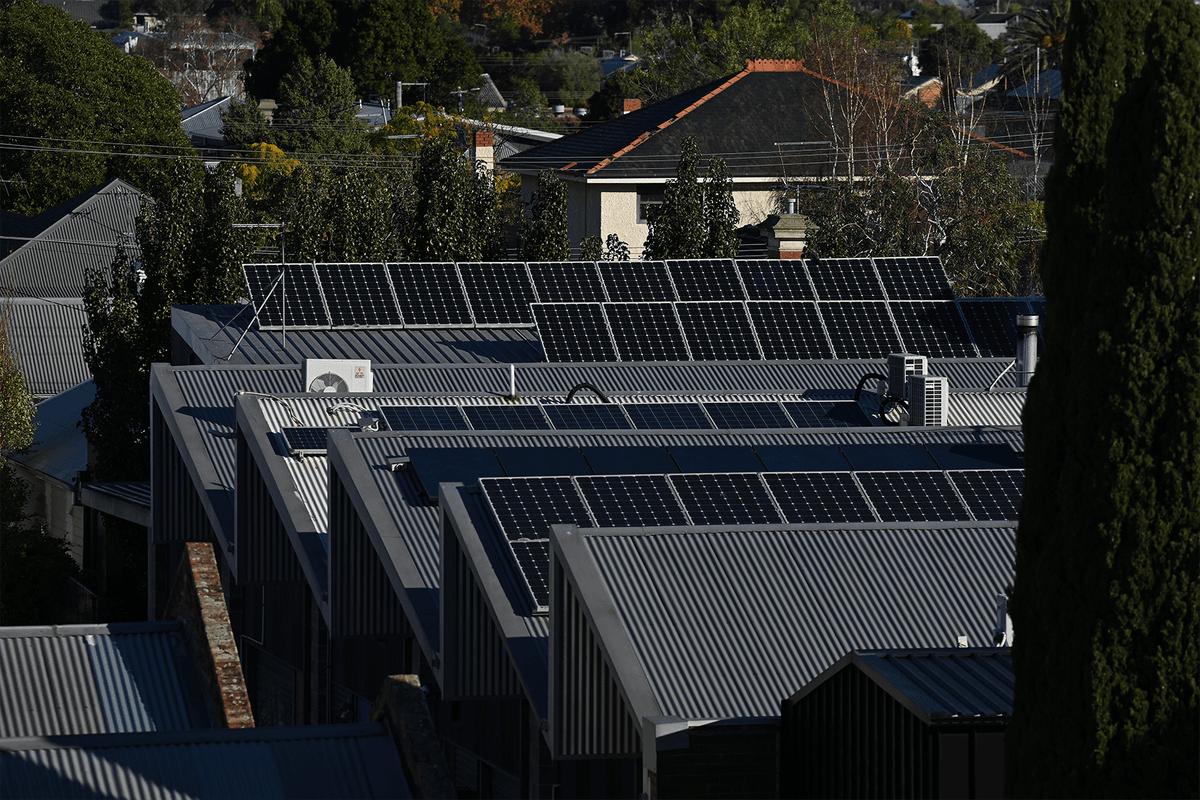
The orderly shutdown of the gas network and electrification of homes could be helped by a process known as gas pruning. This targets electrification and gas phaseouts to areas due for extensive gas pipeline upgrades and transfers the money for the pipe upgrades into household electrification. Makes sense right?
The Brotherhood of St. Laurence (BSL) has been working towards an Australia free of poverty for close to a century. Our research on gas pruning shows millions of dollars could be saved by redirecting money away from the maintenance of ageing gas pipes towards supporting homes to upgrade to all-electric.
BSL’s project focused on an area of 800 people in Western Melbourne due for gas upgrades in the next few years. We found that it would be more than $3 million cheaper to electrify every house in the area than to do business-as-usual gas pipe upgrades. It could be a win-win-(win). We just need to make it work:
- By switching everyone to all-electric, families would have lower bills, more efficient, future-proof homes, and healthier and safer living environments.
- This would help make the gas transition cheaper and fairer by lowering its overall cost and shifting the cost away from households facing disadvantage.
Get our newsletter
Quality research, analysis, explainers and factchecks from experts you can trust.
- This would be better for the climate, the electrified households who would have cheaper and cleaner energy and for all remaining gas customers who wouldn’t be paying the costs of the gas companies upgrades in their gas bills.
What we found is novel to Australia and considers successful examples in the US and Europe. The best potential is in areas where it can negate planned gas network upgrades—mostly replacing old pipes that cost $100,000s per km, benefitting all gas users. Households should be given plenty of notice and fully funded.
Gas will be around for a while yet, but we need to transition. This requires preparation, planning and time. A process that ensures spending on household electrification instead of replacing costly gas pipes would help all households to have access to the benefits of electrification.
The most pressing blockage is that the current gas rules lock in spending on gas networks even when lower cost, more environmentally friendly alternatives are available.
That needs to change.
This requires collaboration between regulators, governments and gas businesses. There may be some differences from site to site but there should be one main shared interest: to help everyone access cleaner, cheaper energy—as those who can afford it already are.
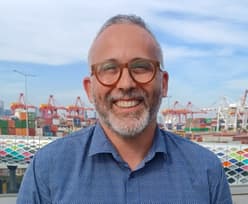
Matt Rose is Inclusion Principal at the Brotherhood of St Laurence.
Read Balancing Act: https://www.bsl.org.au/research/publications/balancing-act-report/
Read about the project: https://www.bsl.org.au/research/our-research-and-policy-work/projects/balancing-act-project/
Media release: https://www.bsl.org.au/news-events/media-releases/change-needed-for-smarter-energy-spending/