Fri 18 Sep 2026 11.05 AEST
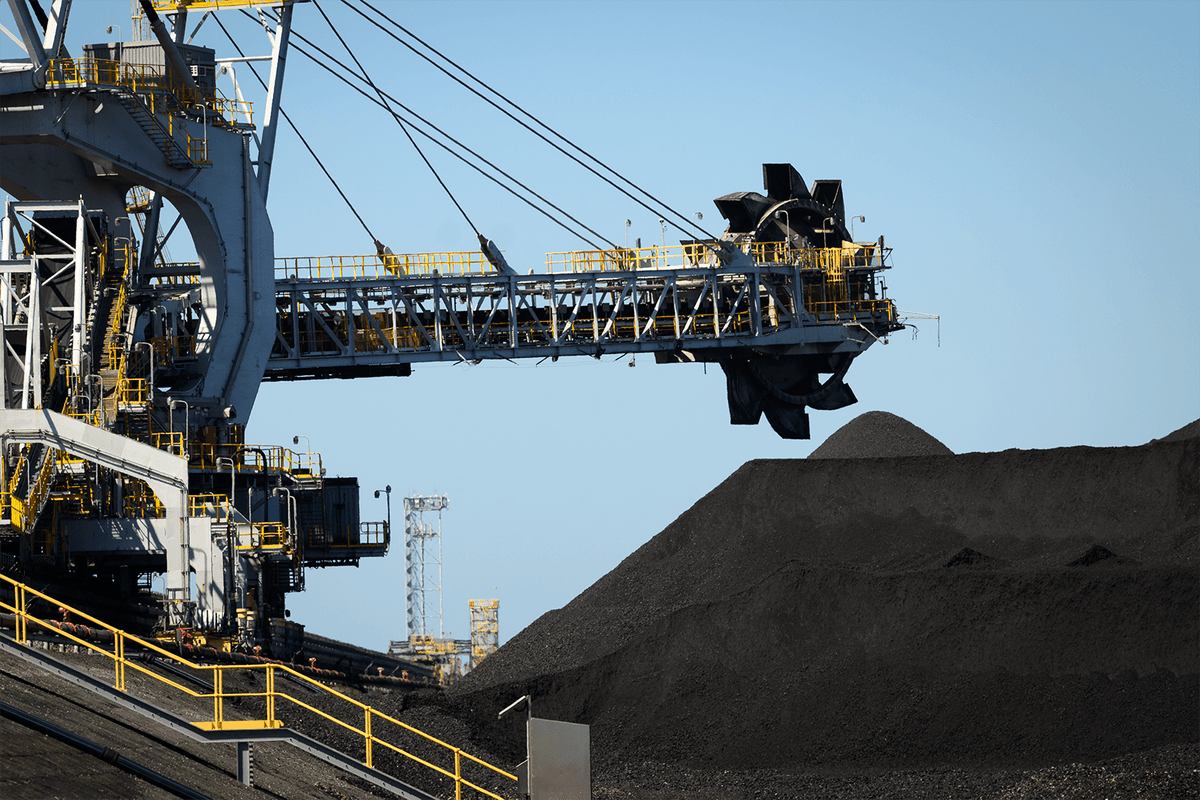
Photo: AAP Image/Dan Himbrechts


Groucho Marx famously didn’t want to join any club that would accept him as a member.
Along similar lines, I’ve been unsuccessfully trying to join the consultation group on Australia’s biggest fossil fuel subsidy, run by the Australian Taxation Office (ATO).
The Fuel Tax Credit Scheme costs the Australian Government over $10 billion per year, when eligible businesses are paid back fuel excise expenses.
Most of the benefit goes to the mining industry, particularly iron ore and coal mining.
Even for a government, $10 billion per year is a lot of money. It is one of the largest expense items in the federal budget, usually costing more than running either the Australian Army or the Royal Australian Air Force.
The cost of Fuel Tax Credits is controversial because Australians have been told that the government can’t afford the NDIS, but can afford billions in subsidies to BHP, Rio Tinto, Gina Rinehart and friends.
Aside from the cost, there is the climate impact. Making diesel cheaper for coal miners and other major users encourages increased greenhouse gas emissions and discourages miners from switching to cleaner equipment. A good example was the recent revelation that BHP chose to keep using diesel trucks in some of its iron ore mines rather than switch to electric ones, exposed in ABC and Guardian reporting.
I think I would be a good member for the ATO’s consultation group because the Australia Institute has published a fair bit of research on the Fuel Tax Credit Scheme.
The ATO does not agree. It rejected my application, telling me that meetings “are limited to parties/taxpayers directly involved in claiming FTC or providing advice to those who claim.”
Also, lots of people must want to join this very cool club, so membership has to be “restricted” to keep the meetings “manageable”.
I tried to argue that the ATO has committed to having “a diversity of views” in its consultations, but got no reply to that email.
To ease the sting of rejection from the Fuel Tax Credit Scheme consultation club, last week I browsed through the newly published notes from the latest meeting.
Quality research, analysis, explainers and factchecks from experts you can trust.
So many cool kids were there: 29 attendees in total, including the Minerals Council, the gas lobby group Energy Producers Australia, Deloitte, EY and others. I guess one more would have made it unmanageable.
The most interesting part of the meeting was about electrification of industry. The participants noted that “challenges remain around cost, compatibility of other equipment and infrastructure required to support electrification”, but:
Members are anticipating government reform to address the increasing use of electric vehicles and potential changes to road charging.
This is interesting because the most obvious reform that would encourage electrification would be cutting the Fuel Tax Credit Scheme.
A growing number of people and organisations are calling for exactly this. These include the mining company Fortescue, the Australian Council of Trade Unions (ACTU) and the Labor Environmental Action Network.
The chair of the Climate Change Authority, former NSW Liberal Treasurer Matt Kean, calls the Fuel Tax Credit Scheme “insane”.
Most independent federal MPs, such as Kate Chaney and David Pocock, support a cap on credits for big mining companies, a proposal from the Climate Energy Finance think tank.
Because the Fuel Tax Credit Scheme delivers billions in benefits to big mining companies, the Minerals Council leads a group of industry lobby groups that oppose any changes to the scheme.
Despite a united front in public, the notes from the consultation group meeting suggest that these industry groups are anticipating changes to the scheme.
This would be good for the climate, fuel security and the federal budget, enabling the government to spend more on disability care, housing, health, education, etc.
If the Fuel Tax Credit Scheme does get wound up or significantly reformed, perhaps I’ll be allowed into the consultation group on it…but then, like Groucho, I’m not sure if I’ll really want to be a member.
Rod Campbell is the research director at the Australia Institute.

