It’s one thing to connect rising living costs with increasing extreme weather. It’s another to connect extreme weather with what is driving it and ask what we can do about it, rather than accepting the situation as hopeless. In other words, do Hunter residents believe that a changing climate is driving extreme weather, which is impacting hip pockets? Yes, they do.

Fri 25 Sep 2026 01.00 AEST
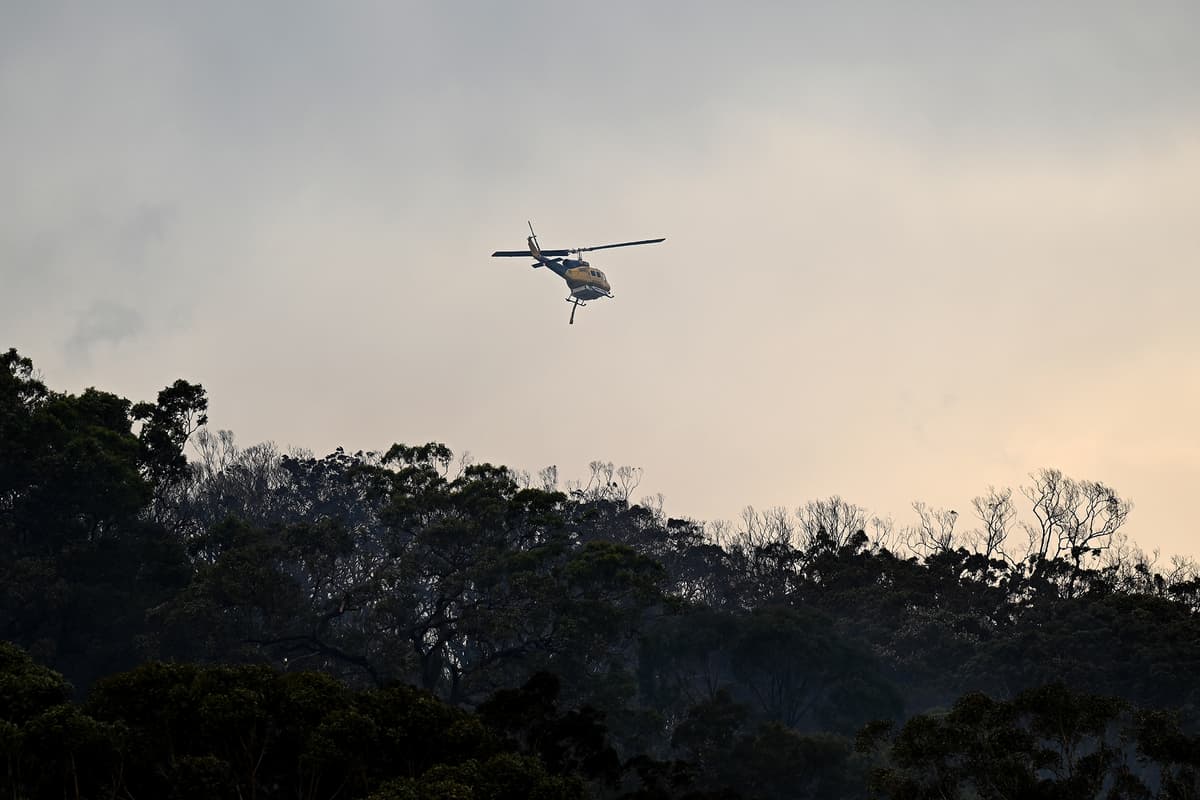
Photo: AAP Image/Dan Himbrechts


As Christmas crackers and lollies appear on supermarket shelves, our thoughts turn to end-of-year work deadlines, family entertaining and, increasingly, extreme weather. The Bureau of Meteorology warns that a strong El Niño is underway and will push our summer temperatures up, increasing the risk of fires and life-threatening heatwaves.
The impact of extreme weather on our lives and household budgets is something that unites us as Australians, no less so than in the Hunter.
Recent research conducted for Lock the Gate by my research team at 89 Degrees East shows that 85% of regional Hunter residents, excluding Newcastle residents, have experienced an extreme weather event in the past five years, led by severe storms (61%), heatwaves (48%), bushfires/bushfire smoke (47%) and flooding (46%).
Almost half (43%) believe extreme weather events have become more frequent in the Hunter region. Perception of extreme weather changes was strongly influenced by housing security: 88% of people living in public or community housing said they believed that extreme weather had become more frequent, compared to only 37% of those who owned their home outright.
We’ve always been a country of droughts and flooding rains, but Australians, including those in the Hunter, recognise these events are becoming more intense and more frequent, leaving less time between events to recover.
Does experiencing and worrying about extreme weather translate into greater concern about climate change?
It’s true that climate change, as a stand-alone issue, has been overshadowed by escalating cost-of-living concerns since the end of the pandemic. When surveys ask people to rank issues of importance to them, cost of living dominates, with climate change often ranking fourth or fifth.
Quality research, analysis, explainers and factchecks from experts you can trust.
But these issue-ranking surveys can’t show you the extent to which we are joining the dots between extreme weather and mounting cost-of-living pressures. In the Hunter research, close to two in five (39%) say extreme weather has contributed a “great deal or a fair amount” to increases in their cost of living. Overall, eight in 10 Hunter residents (80%) believe extreme weather events have contributed at least a little to increases in their cost of living. Only 15% say extreme weather has not contributed to increases in cost of living. Overall, 63% are concerned about the financial impacts of extreme weather events on themselves, their families or the wider Hunter community.
It’s one thing to connect rising living costs with increasing extreme weather. It’s another to connect extreme weather with what is driving it and ask what we can do about it, rather than accepting the situation as hopeless. In other words, do Hunter residents believe that a changing climate is driving extreme weather, which is impacting hip pockets?
This research shows that 80% of Hunter residents believe climate change is driving extreme weather events, with public housing residents (88%) and renters (84%) particularly likely to make the connection.
More than half (54%) of the Hunter community believe pollution from coal mining and burning contributes to climate change and its impacts. These views are particularly strong among younger residents, with 63% of 18–34-year-olds seeing a link with climate change and 74% seeing a link with coal-related pollution. This generational gap in attitudes shows that, in the coming years, concern about climate and pollution will increase in the Hunter community, and with it, pressure for decision makers to act.
This pressure to act is already evident in the research, with Hunter residents placing the greatest financial responsibility for addressing the impacts of extreme weather on government, with 87% assigning some or a lot of responsibility to the Australian Government and 86% to the NSW Government. Responsibility also extends to major emitters, with 65% believing large companies producing greenhouse gas emissions should bear some or a lot of financial responsibility, followed by 57% for coal mining companies.
The Hunter is rightly proud of its long history as a key energy-producing region. With the growth of renewable energy projects in the area and scheduled mine closures, I am finding in Hunter-based focus groups that more and more residents are imagining a future for their community without fossil fuel production. The research shows that, whatever the timeline for coal mines in the area, residents are thinking about the impact of coal pollution on extreme weather, cost of living and their quality of life. Increasingly, they want governments and industry to provide compensation for the damage done.
Dr Rebecca Huntley is one of Australia’s foremost researchers on social trends and is Director of Research at 89 Degrees East. She is an author, an adjunct professor at UTS and researcher, and holds degrees in law and film studies and a PhD in Gender Studies.