Australia doesn’t need any more gas exploration – we are sending so much of it overseas, so cheaply, that our two biggest export markets are making bank from our resources – it just needs a bit of bravery. So that maybe, just maybe, we wouldn’t see reports showing that, for the first time, younger Australians are worse off than their parents.
Which brings us to the second report released this past week, to very little attention and fanfare. The Senate Inquiry into Intergenerational Housing Inequity reported back and found – gasp – housing is a primary driver of inequality in Australia. The committee managed to agree that:
The housing crisis is affecting people’s lives. Multiple adult generations are living in overcrowded houses, and too many young Australians are deferring family formation and are unable to strike out on their own and enter adult life. They despair of saving a house deposit or being able to afford their own home. Too many live in real anxiety about maintaining a safe roof over their heads and affording rent, given falls in real wages, extremely low vacancy rates, and rent inflation.
But in terms of what to do about it, the committee fell along party lines. The chair, Greens senator Barbara Pocock, recommended national rent caps, expanding public housing to at least 10 per cent of housing stock over the next 10 years, and low-interest home loans for first-home buyers. The Labor members pointed to the changes and programs their government has enacted and the Coalition blamed migration and just pumped supply solutions.
This report may seem like one of many in the past 30 years, but it points to a bigger problem – one that continues to see Australians fall victim to the policy paralysis of their governments (no matter who is in charge) and why problems are never addressed; they just can’t get out of their own way.
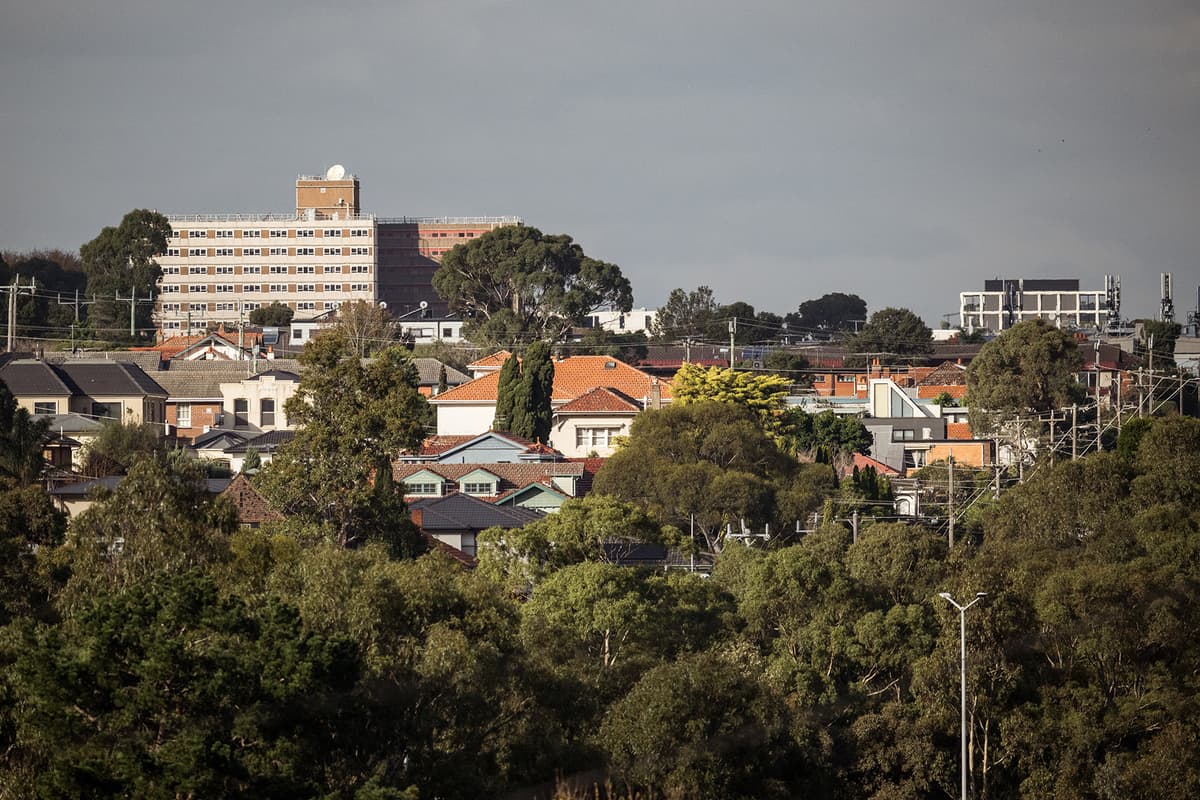
That report, highlighting the inequality between generations on such a basic fundamental right – shelter, and a home of one’s own – was swamped by breathless reports about a tiny drop in year-on-year house prices. Which may – may – take the average Australian house price back to where it was in December 2023. When we were already reporting how unaffordable the housing market was.
But because there wasn’t a double-digit increase and in fact, in some regions, on some higher-level homes, a small decrease, all anyone heard about was the potential for a loss, when in reality, we’ve built a system of generational losers.
Australia’s political and media classes have such strenuous objections to change when it is for the benefit of all Australians – not just the power players we’re used to kowtowing to – that we’re incapable of looking at the bigger picture.
We don’t like to name the big problems in Australia. We’re too busy looking at the next carriage on the political sushi train to realise the track itself is broken. Zoom out and you’ll find a much larger menu on offer – which may also contain – double gasp – some context. And also, just maybe, actual solutions.
Amy Remeikis is a contributing editor for The New Daily and chief political analyst for The Australia Institute
This piece was first published in The New Daily. Read original here.