This Anti-Poverty Week, you’ll see, as with most things when it comes to poverty, the media and charities focus on sympathetic stories about people who are unable to afford groceries, wearing ratty clothes, or on the verge of homelessness. They won’t mention the root of the problem: what’s destroying lives is systemic violence perpetrated by the government against people in poverty through the neoliberal social security system that targets and rations specific groups.
For decades, academics and policymakers have focused on individual responsibility for improving material conditions. The social security system has intentionally been designed to reflect the manufactured view that if you’re in poverty, it’s your own fault, and if you remain there, it’s because you’re not trying hard enough to get out.
It’s reflected in language like “welfare dependency”, which implies that people don’t change their situation because the social security system is there for them, and by simply weaning people off they will somehow thrive. No one talks about property developers and investors being “dependent” on tax breaks, or billionaires being “dependent” on loopholes and accounting firms.
This language is also designed to make you imagine that someone on welfare is “dependent” in other ways. They must be in poverty because of vices like substance use or gambling.
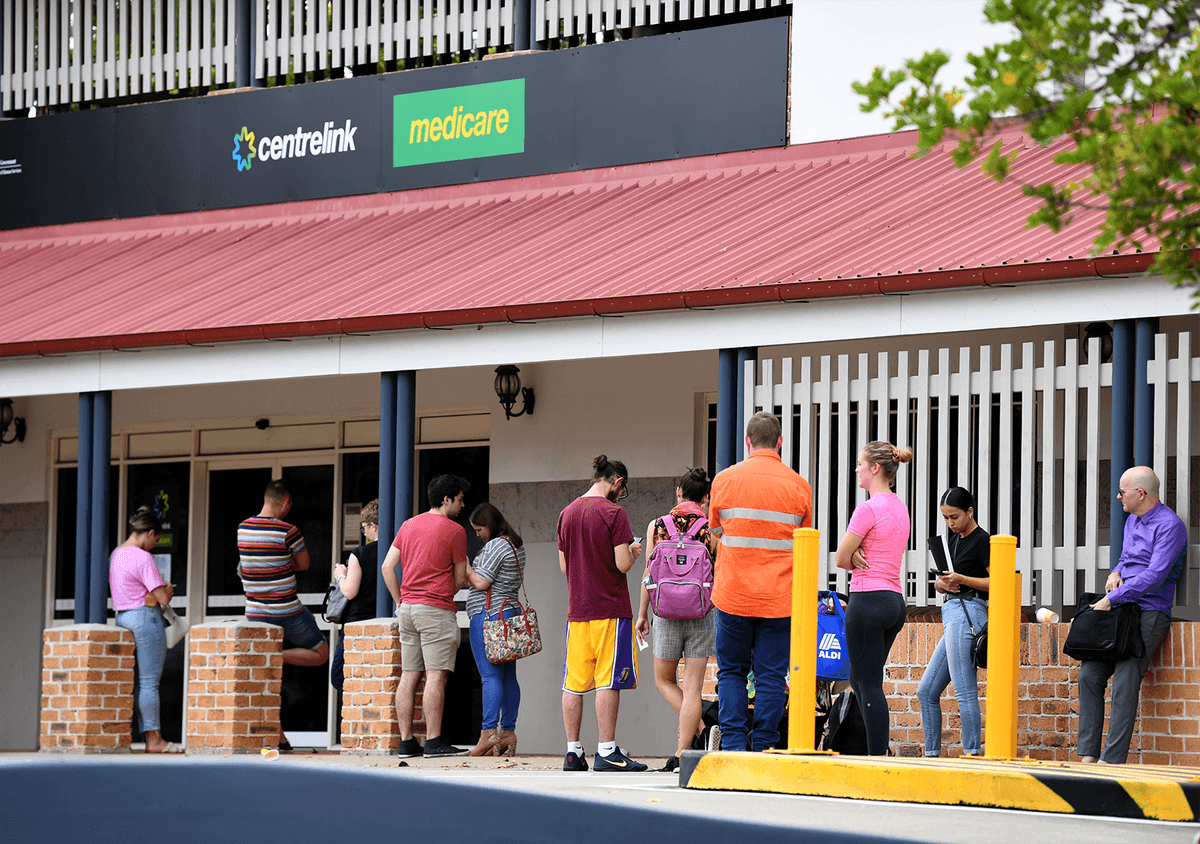
The manifestation of this worldview plays out in flagrant abuse of welfare recipients, from Robodebt to the current scandal the government is seeking to bury – the unlawful operation of “mutual” obligations, welfare compliance and the (un)employment services industry. Despite two Ombudsman reports, the Department of Employment and Workplace Relations admitting to potentially hundreds of thousands of people having their Centrelink payment unlawfully cancelled, and legal questions over the use of other penalties, the Albanese government is sticking with the current approach.
These rules of restriction, control and punishment in social security are justified as a form of policing to ensure the “integrity” of the system – it’s not about those who need support, but about being seen as “responsible” by those lucky enough to not need welfare.
Recently, this mentality extended to NDIS cuts. We’re told the system is “unsustainable” because disabled people are misusing funds and there are criminal syndicates stealing public money. In reality, disabled people now face life-threatening changes because of their supposed saviours in the Albanese government.
When you cut welfare and social supports to the bone, the victims are the people who no longer receive support. The absurdity of the government’s claim that they cut the NDIS to uphold public trust is that the first step they took was to destroy the public’s trust in the NDIS to make the cuts seem necessary.
People will die because of the NDIS cuts. People on welfare already die by suicide at an alarming rate. Twenty percent of suicide deaths among people aged 15 to 66 years old are those on unemployment payments such as JobSeeker, with 14 percent on the Disability Support Pension. New data shows that working-age people on Centrelink payments are up to 10 times more likely to die than others in the community.
The government is already signalling further attacks on the social security system. If One Nation or the Liberals go looking for the next powerless figure, it will be neurodiverse people in the crosshairs – easy targets as Labor has already framed autistic people as a burden, a new form of “dole bludger”.
The violence towards welfare recipients knows no bounds.