This Halloween, instead of viewing the day as imported, commercial nonsense, it’s worth taking a moment to look back at our very Australian spooky past. Not conscription, rat plagues, or the Frontier Wars, but our rich history of ghost stories.

Fri 30 Oct 2026 16.03 AEDT
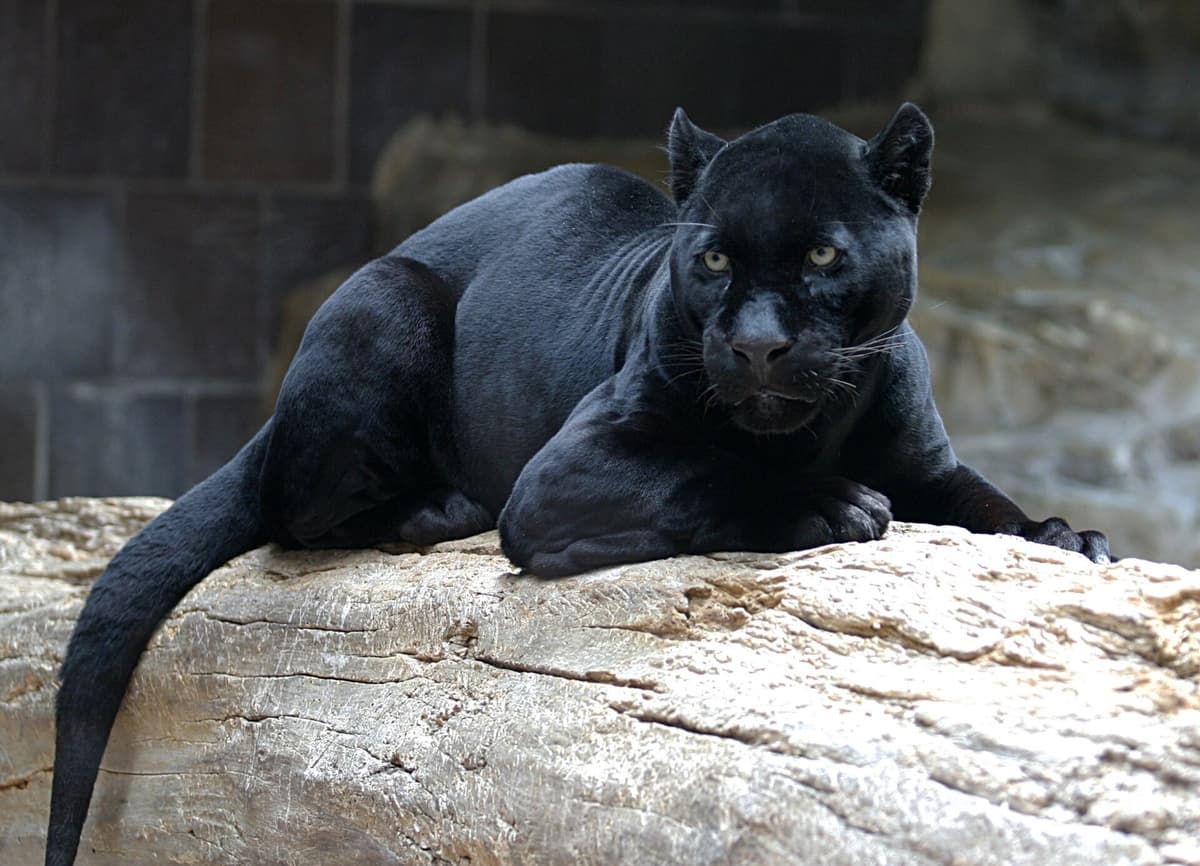
Photo: Colin M.L. Burnett


This Halloween, instead of viewing the day as imported, commercial nonsense, it’s worth taking a moment to look back at our very Australian spooky past. Not conscription, rat plagues, or the Frontier Wars, but our rich history of ghost stories.
From The Guyra Ghost to the Penrith Panther, these utterly true stories used to electrify the media. The NSW Department of Primary Industry conducted an inquiry into the whereabouts of the panther. There was a poltergeist in Stanmore, Sydney. We used to be a real country.
The Guyra Ghost was an event over many weeks and months in 1921 where stones were unaccountably thrown at the home of the Bowen family, and the house shook from its foundations from no discernible living entity. The police were involved; the community staked out the place, and family members isolated one by one to rule out their involvement.
Eventually, the cowards in the bureaucracy laid the blame at the feet of Minnie Bowen, a 12-year-old girl who lived in the farm house and was mourning her older sister. However, she had been present inside a room when a rock smashed through a window from the outside. Spooky!
The small town of about a thousand residents in the NSW Northern Tablelands gained the world’s attention. A story in the Guyra Argus turned into several Sydney papers’ reporters turning up, which turned into national hysteria. People wrote into the papers offering advice. A movie was made. More of this!
These days we have limitless AI slop that people believe in without a second thought; it’s easy to see why a resident poltergeist or phantom could take hold of our imaginations, captivate the country and make international news. Stories everyone from a country town knows are wildly more rich and entertaining than anything computer generated. Your average bar fly in a country town has more personality than a suburb full of data centres.
Quality research, analysis, explainers and factchecks from experts you can trust.
Whilst personally I require no encouragement to believe in a ghost story, I also don’t really care if they’re real. They’re real because communities take them up and share them over generations. They make us more interesting; they reveal something about us.
For those who are captivated by the “truth”, you lot have your true crime. What about adding some mysterious big cats to the retinue?
Clodagh Tait, an Irish academic who studies the history of the supernatural in Ireland, says that often the stories reflect what was occurring at that time in history and betray what was important to people at the time. Even in their absurdity, they tell us something about ourselves. When dozens of stories are recorded of death apparitions in a time of mass migration and limited contact with loved ones abroad, it makes sense.
But we don’t have to turn to the Irish! We have the haunted Princess Theatre in Melbourne, haunted by the ghost of baritone Federici, who died in his dramatic exit through a trapdoor on stage, but was apparently seen by cast members taking his bow after the performance. He’s been a benevolent presence at the theatre ever since. Fremantle Prison is also highly haunted by its hard-done-by inmates, including the 44 people who were hanged there over the years. The only woman ever hanged in Western Australia haunts the locations of her gallows. There’s a man in black. Consider the gavel slammed, the joint is haunted.
Sadly, we seem to be on our phones too much these days to notice the panthers and poltergeists in our midst. In fact, it’s a recordable phenomenon across the world, with more to do with our evenings than sit and yarn in front of the fire as a family, we’ve stopped seeing ghosts. What a shame.
Emily Mulligan is a writer based in Sydney.

