Australia and Vanuatu may be very different countries, but we share a common future. For decades, our partnership has been built on a commitment to peace, stability and prosperity across our region.
Mon 9 Nov 2026 13.40 AEDT
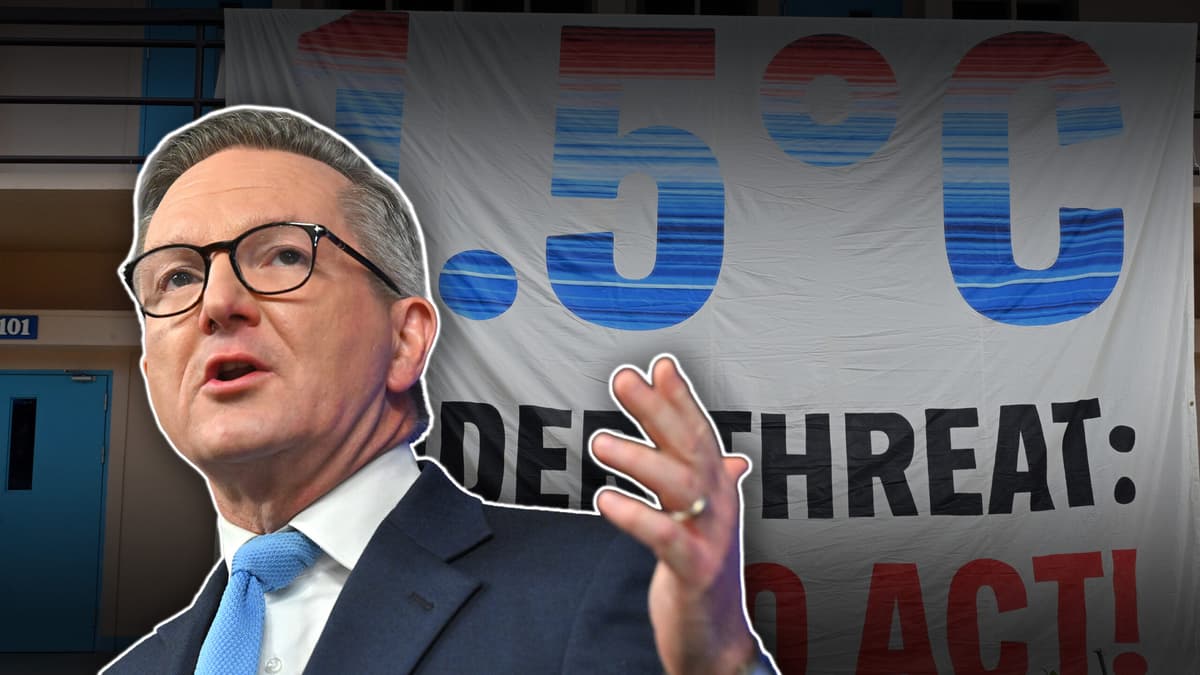
Photo: AAP Image/Susie Dodds, Pictures: Mick Tsikas


Australia and Vanuatu may be very different countries, but we share a common future. For decades, our partnership has been built on a commitment to peace, stability and prosperity across our region.
Today, this shared future is under threat. From escalating climate disasters to rising energy costs driven by a war we played no part in starting, communities across our region are paying the price for crises they did little to cause. That is why, as COP31 begins in Antalya, Türkiye, with Australia as President of Negotiations, the stakes could not be higher.
My counterpart, Australian energy minister Chris Bowen, has spoken of “the critical importance of keeping 1.5 degrees within reach, to minimise overshoot and correct course rapidly”. As Australia takes up the COP presidency, it has a historic opportunity to help the world make this course correction.
A key step in the right direction would be to confront the continued expansion of coal, oil and gas, and the impunity with which fossil fuel corporations profit from pollution while communities bear the costs.
Though our capacity to absorb these shocks is very different, Australia and Vanuatu are on the climate frontlines together.
In 2023, when twin Tropical Cyclones Judy and Kevin hit Vanuatu within days of each other, 80 per cent of our people were directly affected; the recovery needs exceeded 60 per cent of our annual GDP.
Australian communities have also lost tens of billions of dollars to climate impacts. The horrific Black Summer bushfires in 2019-2020 cost Australia an estimated $100 billion; the 2022 floods that swept away houses, schools, farms and businesses in New South Wales and Queensland caused almost $5 billion in insured damages.
These shared risks not only emphasise the need to rapidly transition away from fossil fuels to avoid even more catastrophic climate impacts, they also lay bare the fundamental injustice that coal, oil and gas corporations are enjoying enormous profits while the rest of us pay.
In Australia, for example, coal, oil, and gas corporations earned more than $436 billion in 2023-2024—eclipsing Vanuatu’s economy several times over. Yet, one in three large fossil fuel companies paid no tax in Australia, shrinking the pool of funds available to help communities at home and abroad cope with climate disasters.
How is it fair that communities across our region are bearing the multibillion-dollar costs of climate damage, while the corporations most responsible for climate pollution continue to profit?
Quality research, analysis, explainers and factchecks from experts you can trust.
Last year, the International Court of Justice delivered a landmark advisory opinion following a case championed by Vanuatu. The Court reaffirmed that states have legal obligations to prevent climate harm and warned that support for fossil fuel expansion may carry legal consequences, including reparations.
After months of devastating and deadly climate impacts around the world, the legal, scientific and moral case for climate accountability has never been stronger.
As COP31 President, Australia can help the world take a decisive step towards putting climate accountability principles into practice.
At home, Australia can commit to ending new coal and gas expansion, winding back fossil fuel subsidies, and ensuring coal, oil and gas corporations contribute to the costs of the climate damage they cause. Putting a levy on their pollution, for instance, could fund domestic and international efforts to cope with climate change.
Not only would this help Australian communities recover from disasters, strengthen resilience to future impacts, and support those facing cost-of-living increases, it would generate the climate finance that is so desperately needed to fill the huge gap between what is available in global funds like the Adaptation Fund, Loss and Damage Fund and Pacific Resilience Facility, and the scale of need from vulnerable nations.
The money is there. We just need the political will to make sure it is spent on keeping vulnerable communities safe rather than fuelling further destruction.
Climate-vulnerable nations like mine will be watching closely as Australia takes up the COP31 presidency. To us, being a good neighbour and an effective leader means standing up to vested fossil fuel interests, acting on what science and international law demand, and contributing a fair share of climate finance.
The world has arrived in Antalya looking for climate leadership; Australia must deliver.
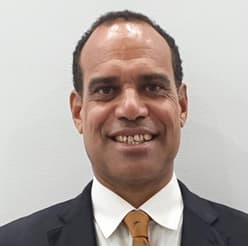
Hon. Ralph Regenvanu is Vanuatu’s Minister for Climate Change, Meteorological and Hydrometeorological Services, Environment, Energy, Disaster Management, and Geological Hazards.

